
AFCON Set for Historic 28-Team Format: What Ghana Should Know About the Expanded Tournament
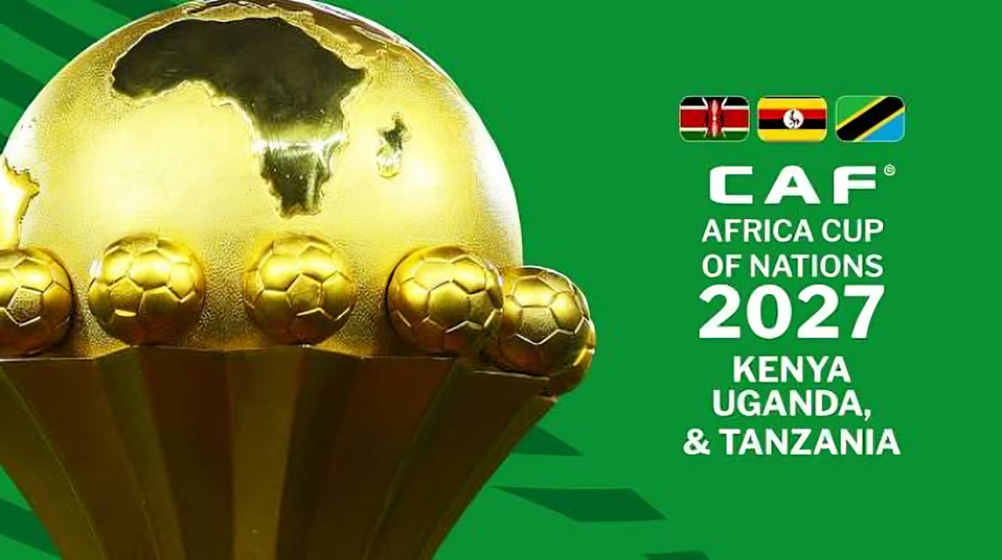

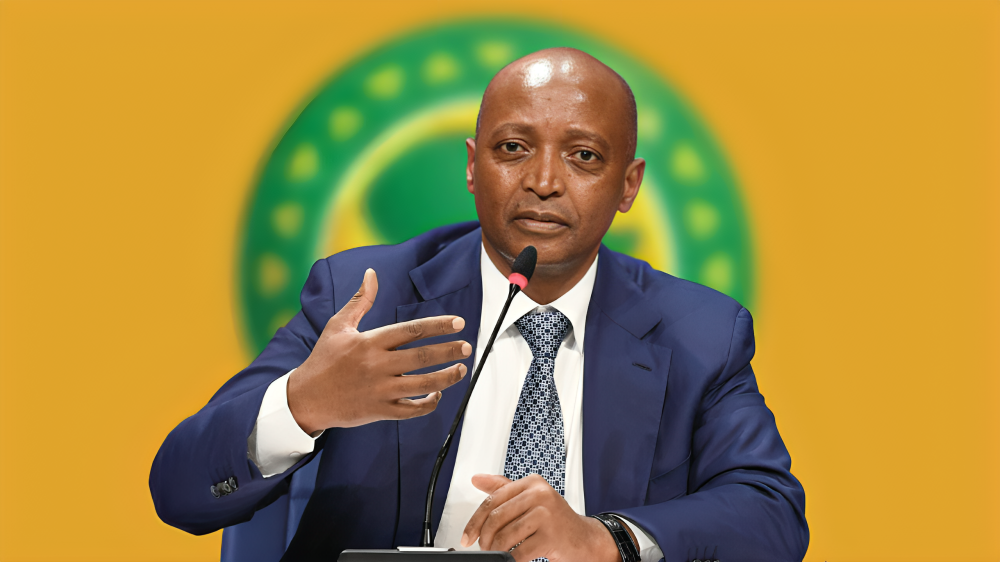
The Confederation of African Football has announced a significant structural change to its flagship tournament. Beginning in 2027, the Africa Cup of Nations will expand to accommodate 28 participating nations, up from the current 24-team format that has been in place since 2019. The decision, confirmed by CAF President Dr Patrice Motsepe, represents one of the most substantial reforms to the continental championship in recent years.
This expansion will alter the competitive landscape of African football fundamentally. With four additional spots now available, more nations will have the opportunity to compete at the highest level of African club football. The modification comes as CAF continues efforts to modernise the tournament and increase participation across the continent.
How the Format Will Work
The expansion to 28 teams will require adjustments to the tournament's group stage structure. Rather than the current arrangement of six groups of four teams, the new format will need to accommodate the additional participants in a way that maintains competitive balance. The exact group configuration and qualification structure will likely be determined by CAF in coming months as planning progresses towards the 2027 tournament.
This expansion means more African nations will have realistic chances of qualifying for the competition, reducing the likelihood of strong teams missing out due to the limited number of available spots. The change addresses long-standing calls from smaller and emerging football nations across the continent for greater inclusion in AFCON.
Why This Matters for Ghana
For Ghana and other established African football nations, the expansion presents both opportunities and challenges. On one hand, the Black Stars benefit from their status as a football powerhouse with consistent qualification records. The expanded tournament format should not materially impact Ghana's ability to reach AFCON, given the country's historical performance in qualification campaigns.
However, the broader implications warrant consideration. More teams competing means potentially larger, more complex tournament structures. Ghana may face different group configurations and opponents depending on the final format CAF adopts. The expanded tournament could also affect scheduling, player availability, and club football calendars across Africa, including impacts on Ghana Premier League fixtures and Ghana-based players' club commitments.
Additionally, the expansion signals CAF's commitment to inclusive continental development. Ghana, as a three-time AFCON champion and influential voice in African football, stands to benefit from stronger, more competitive African football overall. More participating nations mean increased investment in football infrastructure and youth development across the continent, ultimately raising the competitive standard.
Looking Ahead
CAF will need to clarify several outstanding details in the coming months. The specific group stage format, the number of teams advancing from each group, and potential changes to tournament dates all require formal announcement. The 2027 edition will be the first opportunity to implement this expanded structure, giving all African nations nearly three years to prepare strategically.
For Ghana's football administration and the Black Stars technical team, the expansion presents an opportunity to refine competitive approaches within a fresh tournament framework. Whether the expansion ultimately benefits or disadvantages the Black Stars will depend largely on how CAF structures the new format and how Ghana adapts its preparation strategies accordingly.
Source: 3News
-1200x785.webp)



Comments (0)
Be the first to comment.