
Accra Driver Remanded Over Suspected Illegal Drug Trafficking Charges

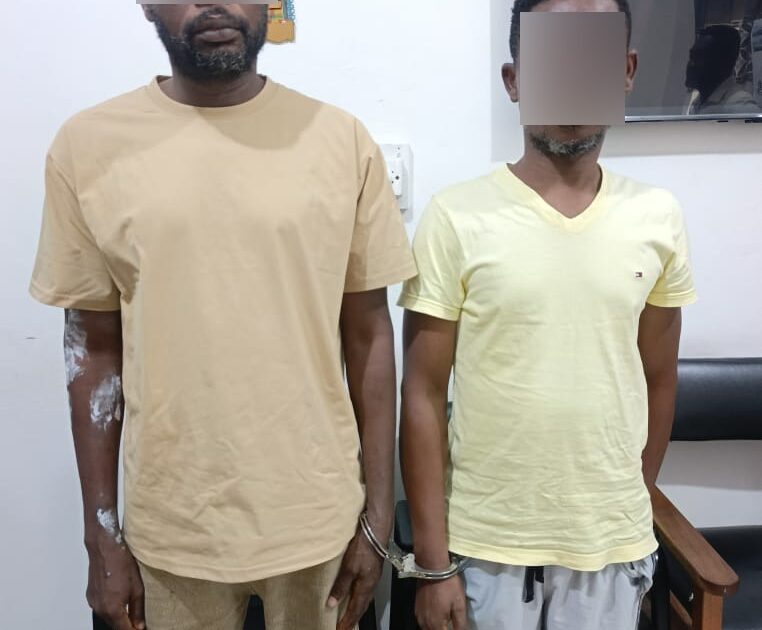
An Accra Circuit Court has ordered the remand of a 38-year-old driver suspected of attempting to sell unregistered pharmaceutical drugs in the capital. Fatawu Yakubu, who resides in Lapaz, was arrested during a targeted police operation and is facing charges of offering unregistered drugs for sale—an offence that underscores Ghana's ongoing battle against illicit medication trafficking.
The arrest occurred on October 15, 2026, when officers from the Inspector-General of Police Special Operations Team conducted a crackdown at Nii Bio Town Junction in Lapaz around 2:00 pm. During the operation, Yakubu was apprehended at a game centre, and a subsequent search revealed 70 tablets of what authorities believe to be unregistered Royal Tapentadol 250 mg, a controlled pain relief medication. The suspected contraband has been forwarded to the Police Forensic Science Laboratory for testing and official verification.
The Accra Circuit Court declined to take Yakubu's plea during the initial hearing, and he is scheduled to reappear before the court on November 3, 2026, when further proceedings are expected. This procedural step is standard in Ghana's criminal justice system when cases involve controlled substances or serious offences requiring forensic analysis before formal plea entry.
Why it matters for Ghana
The case highlights a persistent public health and law enforcement challenge across Ghana. Unregistered and counterfeit pharmaceutical drugs pose significant dangers to citizens, potentially causing adverse health effects, treatment failures, and undermining confidence in the legitimate healthcare system. The Pharmacy Council and law enforcement agencies have repeatedly warned about the proliferation of unlicensed medication sales through informal channels, game centres, and street vendors.
Royal Tapentadol is a controlled opioid analgesic typically prescribed for moderate to severe pain management. When sold without proper registration or medical oversight, such medications can lead to addiction, overdose, and other serious health complications. The seizure demonstrates that authorities are intensifying efforts to intercept these substances before they reach consumers.
Ghana's regulatory framework, overseen by the Food and Drugs Authority (FDA) and supported by law enforcement, requires all pharmaceutical products to undergo rigorous testing and registration. The involvement of the IGP's Special Operations Team signals that tackling illicit drug distribution remains a priority for Ghana's police service, particularly in urban centres like Accra where informal drug markets are difficult to monitor.
What happens next
The outcome of the forensic analysis will be crucial in confirming the exact nature and origin of the tablets. If the substances are verified as unregistered or counterfeit, the prosecution will proceed with formal charges and sentencing. Ghana's pharmaceutical laws impose penalties on those convicted of selling unregistered drugs, reflecting the seriousness with which authorities treat threats to public health.
Citizens concerned about counterfeit medication are urged to purchase all pharmaceuticals from licensed pharmacies and to report suspicious drug sales to law enforcement or the FDA's hotline. The case serves as a reminder that vigilance from both authorities and the public remains essential in safeguarding Ghana's medicine supply chain.
Source: The Ghana Report



Comments (0)
Be the first to comment.