World Bank's IFC Chief to Visit Ghana in Push for Private Investment Surge
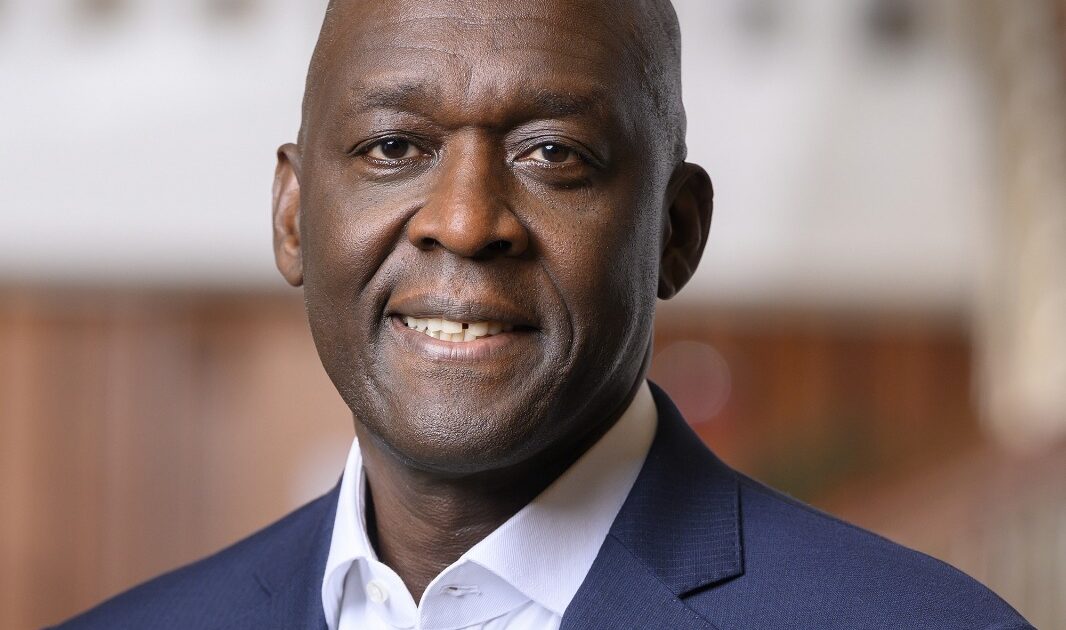
Ghana is set to welcome Makhtar Diop, Managing Director of the International Finance Corporation (IFC), for a high-stakes investment mission scheduled for September 15–17, 2026. The visit represents a significant moment for the country's private sector development strategy, with the World Bank Group agency positioning itself as a catalyst for mobilising the private capital Ghana needs to fuel economic growth and job creation.
During his three-day visit, Diop will engage with Ghana's top government officials, business leaders, entrepreneurs and civil society organisations to chart pathways for increased private investment. The discussions will span critical sectors including agribusiness, renewable energy, education, manufacturing, and the creative economy—areas the IFC has identified as key drivers of Ghana's future competitiveness and employment.
Strategic Focus Areas for Growth
The IFC's agenda for Ghana extends beyond general investment talks. The corporation will explore specific opportunities and constraints within the private sector, with particular emphasis on youth employment and skills development—issues at the heart of Ghana's demographic challenge. Agribusiness emerges as a priority, reflecting the country's agricultural heritage and potential for value-chain expansion. The focus on renewable energy signals alignment with Ghana's climate and energy security goals, whilst the inclusion of the creative economy recognises the sector's growing contribution to GDP and employment, particularly among young Ghanaians.
Access to finance for small and medium-sized enterprises (SMEs), farmers and women-owned businesses will also feature prominently. These groups remain underserved by traditional banking systems, and IFC support could unlock significant entrepreneurial potential across rural and urban Ghana.
Why It Matters for Ghana
The scale of IFC's commitment to Ghana tells an important story. In fiscal year 2026, the corporation committed $670 million through its own resources and capital mobilisation—a staggering 11-fold increase from the $61 million committed in fiscal year 2021. This trajectory demonstrates growing confidence in Ghana's investment climate and the IFC's expanding role as a bridge between global capital and local opportunity.
For Ghanaians, this visit carries real implications. Increased private investment, particularly in agribusiness and manufacturing, could translate into more jobs and higher incomes. Strengthened access to finance benefits small traders, farmers and entrepreneurs who currently struggle to secure loans from banks. Investment in renewable energy addresses both electricity reliability and climate concerns. And support for the creative sector—from film to music to digital content—can capitalise on Ghana's cultural strengths and position the country as a regional creative hub.
The IFC's track record in Ghana provides grounds for optimism. Recent interventions have expanded credit along the cocoa value chain to support both farmers and food security, whilst investments in manufacturing, recycling and renewable energy infrastructure are reshaping the country's industrial landscape. These are not symbolic gestures but tangible commitments with measurable economic effects.
Building Momentum for Private-Sector-Led Growth
The visit is expected to include partnership announcements and agreements aimed at accelerating investment in priority sectors and strengthening domestic value chains. Such announcements often precede concrete funding decisions and policy reforms, making this an opportunity for Ghana to secure resources and shape conditions favourable to business growth.
The IFC's broader mission—to create markets and opportunities in developing economies—positions it as more than a lender. As a World Bank Group agency operating in over 100 countries, it brings expertise, networks and influence that can help Ghana attract additional private capital beyond IFC's own investments. This multiplier effect is crucial for a country seeking to reduce its reliance on public borrowing and foreign aid.
For Ghana's government and private sector, Diop's visit is a chance to demonstrate readiness for scaled-up private investment whilst securing IFC support for priority areas. Success could reinforce investor confidence and set the tone for Ghana's development trajectory over the coming years.
Source: MyJoyOnline
Comments (0)
Be the first to comment.