Dutch Embassy Champions Youth in Ghanaian Agribusiness at International Youth Day Event
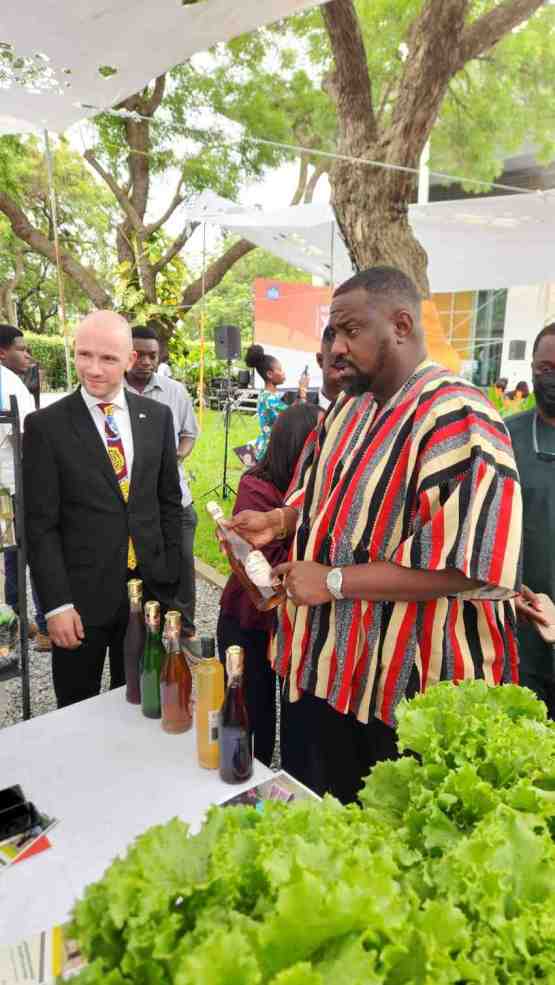
The Embassy of the Kingdom of the Netherlands has used International Youth Day 2026 as a platform to push for greater youth participation in Ghana's agribusiness sector, bringing together entrepreneurs, policymakers and investors to tackle systemic barriers keeping young people out of farming and agricultural innovation.
The one-day event highlighted a critical disconnect in Ghana's economy: whilst agriculture remains a cornerstone of national development, young Ghanaians are increasingly reluctant to pursue careers in the sector. The gathering addressed this head-on by examining how agri-tech, targeted investment and better access to finance could make farming careers viable for the next generation of Ghanaian entrepreneurs.
Why It Matters for Ghana
Agriculture employs millions of Ghanaians but faces a youth exodus as school-leavers seek urban employment instead. This threatens food security, rural economies and the sector's modernisation. Young people constitute a significant portion of Ghana's population, yet research cited at the event—including a 2021 Heifer International report—shows they encounter substantial barriers: limited access to capital, difficulty securing farmland, inadequate training and gaps in agricultural technology. By addressing these obstacles, Ghana could unlock considerable economic growth and ensure the sector remains viable into the future.
The event also underscores the Netherlands' diplomatic strategy in Ghana, positioning development partnership around youth empowerment and sustainable agriculture—areas where Dutch expertise in agri-tech and rural financing is recognised globally.
Key Voices and Practical Solutions
Wendy van Meel, Chargée d'Affaires at the Dutch Embassy, framed the initiative as an investment in Ghana's future, whilst Deputy Minister for Food and Agriculture John Setor Dumelo encouraged young people to pursue agribusiness opportunities within Ghana's growing sector.
Real-world practitioners shaped the discussion. Agripreneurs including Nii Oblitey Ashong (Farmer Nii), Renne Ross Quartey (Harvest Hill Farms) and Salia (Farmitecture) shared their journeys, offering proof that youth-led agricultural enterprises can succeed. A panel discussion focused on four interconnected challenges:
- Improving access to finance and credit for young agribusiness starters
- Strengthening entrepreneurship training and mentorship
- Promoting agricultural technology adoption and innovation
- Enabling knowledge transfer from experienced farmers to youth
Participants called explicitly on financial institutions and investors to treat agri-tech as a bankable, scalable industry worthy of capital allocation—a shift that could unlock funding currently directed elsewhere.
What Comes Next
The embassy showcased youth-led agricultural projects it currently supports, signalling ongoing commitment beyond the single-day event. However, the real test lies in whether the dialogue translates into concrete policy changes, improved lending terms for young farmers, and sustained private-sector investment in agricultural innovation.
Ghana's government has periodically announced youth-focused agricultural schemes, but implementation and accessibility remain inconsistent. Events like this build momentum and create networks, but young Ghanaians will be watching for tangible outcomes: lower interest rates on agricultural loans, clearer pathways to farmland access and more training programmes in agri-tech.
The Netherlands Embassy's focus on youth agribusiness aligns with broader global trends. Across Africa, agri-tech startups attract growing venture capital investment, and countries that skill and finance young farmers early will gain competitive advantage in a sector reshaping itself through digitalisation, climate adaptation and export opportunities.
Source: Ameyaw Debrah


Comments (0)
Be the first to comment.