
Why Hasn't Zanetor Been Appointed Minister? Justice Atuguba Questions Government
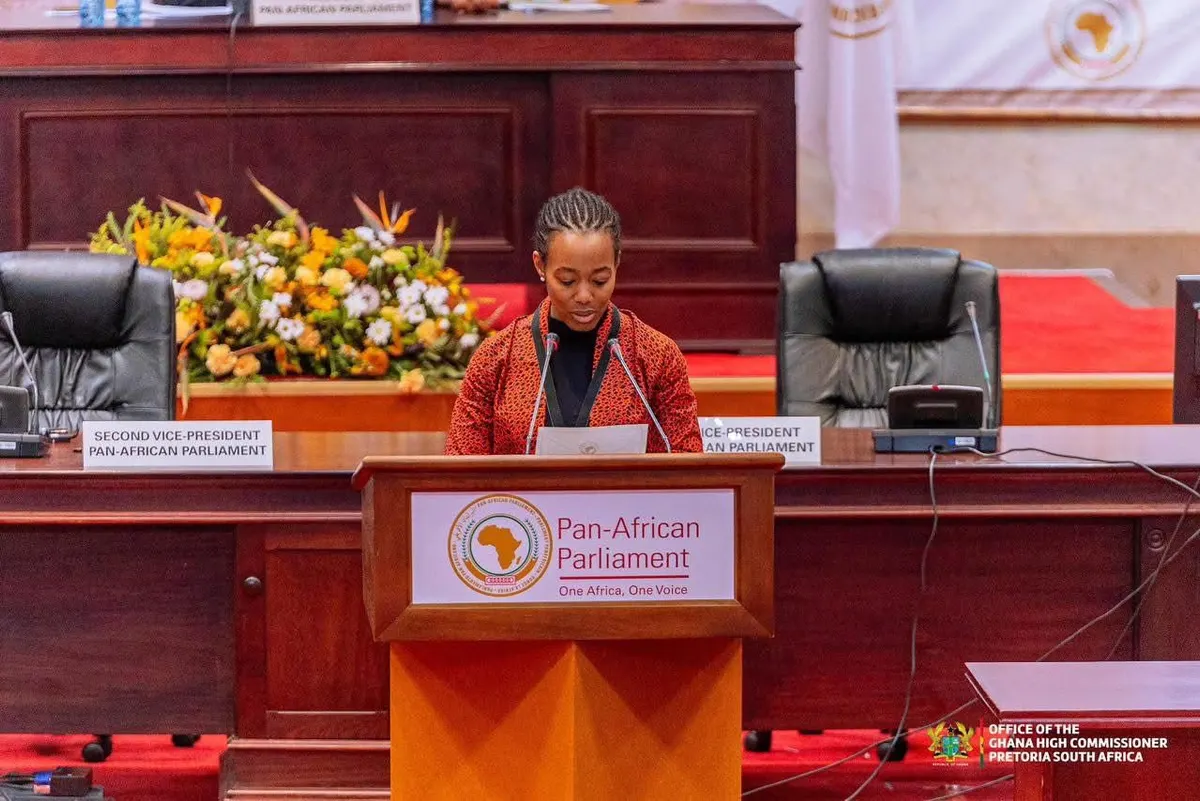
A retired Justice of the Supreme Court, Justice William Atuguba, has publicly voiced puzzlement over why Dr. Zanetor Agyeman-Rawlings, the Member of Parliament for Korle Klottey, has not yet been appointed to a ministerial position. The comments from the respected jurist reflect growing scrutiny of government appointments and the place of prominent female legislators in executive decision-making.
Dr. Agyeman-Rawlings, a medical doctor and daughter of former President Jerry Rawlings, has established herself as a vocal and accomplished legislator since entering Parliament. Her absence from the ministerial lineup has become a topic of discussion both within political circles and among observers monitoring the government's composition and gender representation at the highest levels.
Dr. Agyeman-Rawlings' Parliamentary Profile
As MP for Korle Klottey, one of Ghana's most prominent urban constituencies, Dr. Agyeman-Rawlings has proven her legislative capabilities through active participation in parliamentary debates and committee work. Her background in medicine brings technical expertise that could be valuable in several ministerial portfolios, particularly those related to health or social welfare.
Her parliamentary presence extends beyond constituency representation. She has maintained a public profile through media appearances and engagement with pressing national issues, positioning herself as a significant voice in her party's parliamentary caucus.
What This Means for Cabinet Composition and Gender Representation
Justice Atuguba's question touches on broader questions about Cabinet appointments in Ghana. The composition of a government's ministerial team signals priorities and values, particularly regarding gender balance and the utilisation of available talent within the legislature.
Ghana has made strides in female representation at ministerial level in recent years, though women remain underrepresented in senior executive positions compared to their male counterparts. The inclusion or exclusion of high-profile female legislators in Cabinet can influence perceptions of commitment to gender equity in governance.
When seasoned political figures with professional credentials—particularly those with family histories of governance—remain outside ministerial appointments, it invites legitimate questions about the criteria and processes guiding such decisions. The timing and reasoning behind ministerial appointments often carry political significance beyond the immediate portfolio assignment.
The Broader Context of Cabinet Formation
Government ministers are typically selected based on a combination of factors including party loyalty, technical expertise, political balance, constituency considerations, and factional dynamics within ruling coalitions. The process remains largely discretionary, residing with the President, though patterns in appointments often reveal strategic thinking about party management and policy priorities.
Justice Atuguba's intervention as a respected former judicial figure adds weight to the discussion, suggesting that questions about ministerial appointments have moved beyond partisan debate into broader civic conversation. His position lends credibility to scrutiny of government decision-making on appointments.
For Dr. Agyeman-Rawlings specifically, remaining in Parliament whilst peers ascend to ministerial office presents a professional choice point. She maintains influence through the legislature and her constituency, though a ministerial appointment would expand her sphere of influence and policy-making power significantly.
The question raised by Justice Atuguba will likely persist unless the government clarifies its appointment rationale or subsequent ministerial reshuffles address the omission. In Ghanaian politics, such public statements from respected figures often presage broader conversations about governance, competence, and representation.
Source: 3News




Comments (0)
Be the first to comment.