
Parliament's Closed-Door BoG Session Sparks Minority Walkout Over Media Exclusion

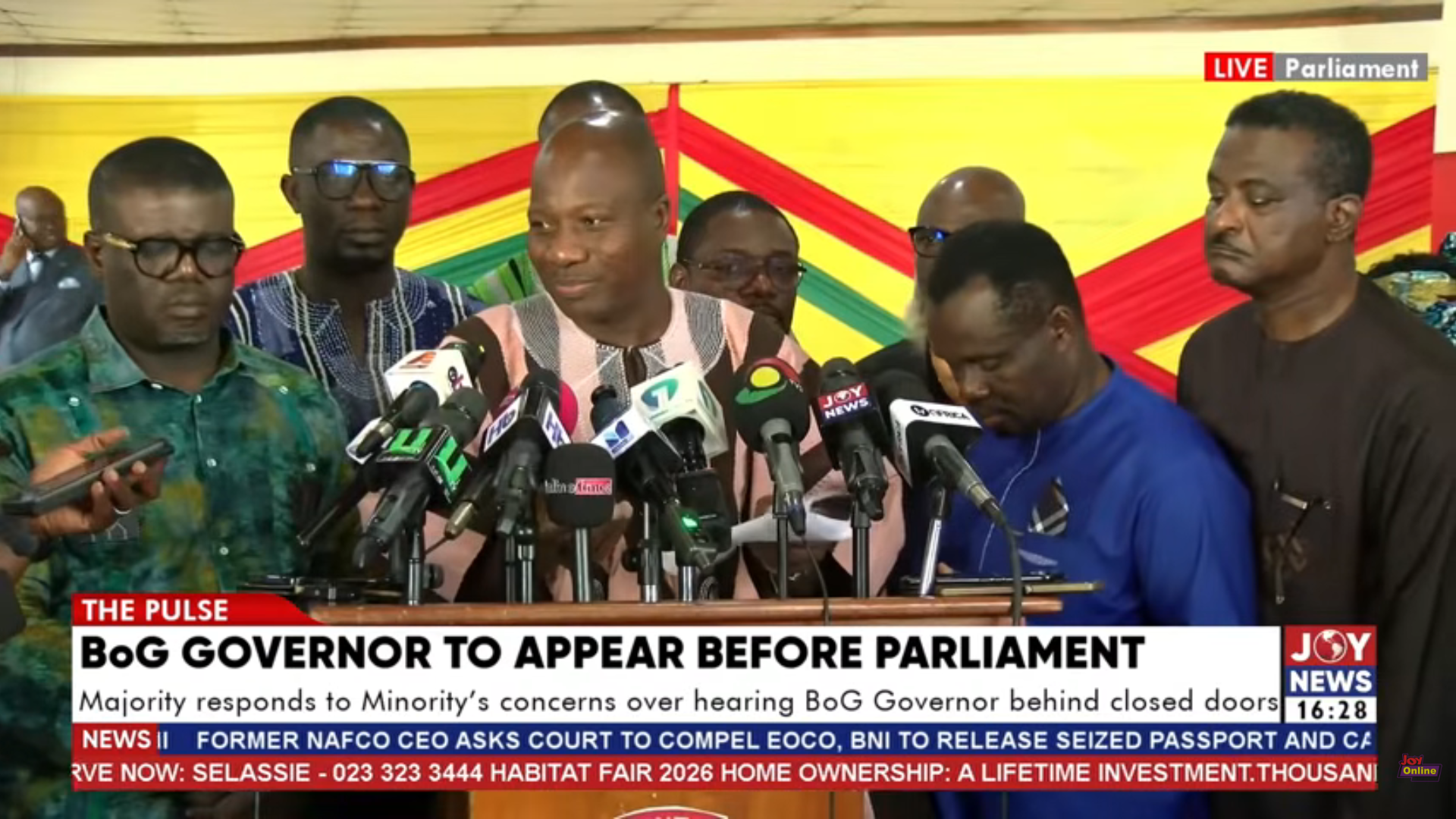
Tension erupted in Parliament when the Minority caucus staged a dramatic walkout in protest over the Majority's decision to bar media coverage from proceedings involving the Bank of Ghana Governor's answers to urgent questions on the floor of the House.
The move represents a significant clash between the two sides of the chamber over parliamentary transparency and press freedom—issues that have long been central to Ghana's democratic discourse. By restricting media access to the in-camera session, the Majority effectively prevented the Ghanaian public from witnessing live or recorded exchanges on monetary policy and central banking matters, which directly affect ordinary citizens through inflation, interest rates and currency stability.
Parliamentary Transparency Under Pressure
Parliament's decision to close the session to journalists underscores ongoing tensions about how much of Ghana's legislative business should remain confidential. Whilst the legislature occasionally conducts closed sessions on matters of national security or sensitive negotiations, routine questioning of public officials—especially a figure as central to the economy as the BoG Governor—typically occurs in the open.
The Minority's walkout signals their rejection of what they view as an unnecessary and unjustified restriction. By staging their protest, opposition MPs sought to draw public attention to the decision, effectively using their departure as a political statement. The incident highlights the fractious relationship between Parliamentary leadership and opposition members in the current legislature.
Why It Matters for Ghana
For ordinary Ghanaians, this dispute carries real significance. The Bank of Ghana Governor's responses to urgent questions address issues that touch every household—monetary policy decisions, banking sector oversight, and responses to economic challenges. When media are excluded from such proceedings, citizens lose direct access to explanations about decisions affecting their financial wellbeing.
Ghana's press freedom record, whilst better than many regional peers, faces periodic challenges. Incidents like this one, even if limited in scope, contribute to broader concerns about transparency in government institutions. The right to information is enshrined in Ghana's 1992 Constitution, and media access to legislative proceedings forms a key pillar of this constitutional guarantee.
Additionally, the escalating tensions between Majority and Minority factions in Parliament suggest deeper governance challenges. When opposition voices stage walkouts over procedural matters, it often reflects a broader lack of consensus on parliamentary norms and the prioritisation of partisan advantage over institutional function.
What Comes Next
The incident may trigger broader conversations about parliamentary conduct and media access protocols. Civil society organisations and press bodies may weigh in on the propriety of excluding journalists from routine legislative business. Whether Parliament revises its approach to such sessions could set precedent for future proceedings involving public officials.
The walkout also signals that the Minority remains ready to use tactical opposition tactics to challenge decisions by the ruling caucus, even on procedural matters that might otherwise pass without significant resistance.
Source: 3News



Comments (0)
Be the first to comment.