What Air India pilot cannabis case reveals about drug testing in aviation safety
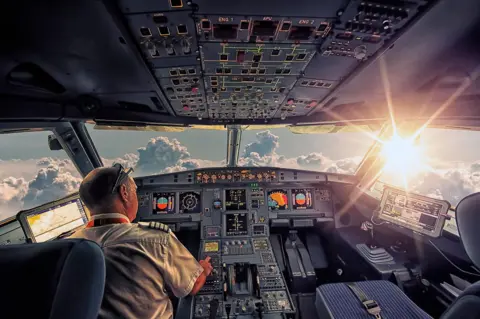
An Air India Airbus A320 carrying 137 passengers and eight crew members experienced a sudden loss of altitude of about 91 metres on 4 August whilst flying from Phuket to Delhi, injuring 13 passengers and four crew members. The aircraft landed safely, but the incident has now sparked intense scrutiny after media reports claimed the captain subsequently tested positive for cannabis in a confirmatory laboratory test — a finding Air India has not officially confirmed.
The case has reignited debate over aviation safety standards in India and the reliability of drug screening procedures. However, experts warn that a positive test result, whilst concerning, does not automatically prove the substance caused the altitude loss or impaired the pilot at the time of the incident.
The science of cannabis and pilot performance
Research dating back decades shows cannabis can significantly degrade the fine motor control, attention and complex decision-making required for safe flying. A 1976 simulator study found that pilots who smoked marijuana showed marked deterioration in altitude, heading and radio navigation performance for at least two hours, with effects typically disappearing within four to six hours.
More troubling findings emerged in later research. A study of experienced private pilots tested 24 hours after smoking cannabis revealed significant impairment in elevator and aileron control, landing accuracy and approach stability — yet most pilots were unaware their performance had declined. A 1991 follow-up involving nine active pilots found performance impaired up to 24 hours after use, with only one pilot aware of the effects.
These studies, though conducted with flight simulators rather than modern aircraft, suggest cannabis can interfere with the precise motor control and cognitive processing essential to aviation safety.
Why the test result doesn't tell the full story
The critical problem facing investigators is this: even a confirmed positive test does not definitively establish when impairment occurred or whether it was present during the flight. A 2022 clinical trial involving 191 regular cannabis users found that whilst THC initially impaired performance on simulated driving tasks, the researchers could not reliably predict impairment from blood THC concentration, previous user experience or the drug's potency.
Importantly, that study found users typically recovered normal performance after approximately four-and-a-half hours. Without knowing precisely when the pilot last used cannabis, what amount they consumed, or their tolerance level, investigators cannot establish a clear causal link between any positive test and the altitude incident.
India's aviation ministry confirmed both pilots underwent routine post-flight drug screening, with the captain's initial test requiring confirmatory testing. Both pilots have been removed from flying duties pending the formal investigation.
What this means for Ghana and African aviation
This incident carries relevance for Ghana's aviation sector and broader West African aviation safety standards. Ghana's domestic and regional carriers operate under similar international safety protocols, and the case underscores the importance of robust drug-testing regimes for flight crews. However, it also highlights that testing alone is insufficient — procedures must account for the limitations of toxicology in determining actual impairment at the time of operation.
The Air India incident demonstrates that thorough aviation investigations must examine technical, operational, medical and human factors comprehensively. Regulators across Africa should ensure their pilot screening programmes include regular substance testing, but also recognise that positive results require careful interpretation by aviation medicine specialists.
The investigation remains ongoing, and no official conclusion has been reached linking the captain's alleged test result to the altitude loss. Investigators are examining all contributing factors, and it remains unclear what caused the sudden descent.
Source: MyJoyOnline




Comments (0)
Be the first to comment.