
Guyana Ferry Disaster Kills 72 as Regional Maritime Safety Questions Emerge
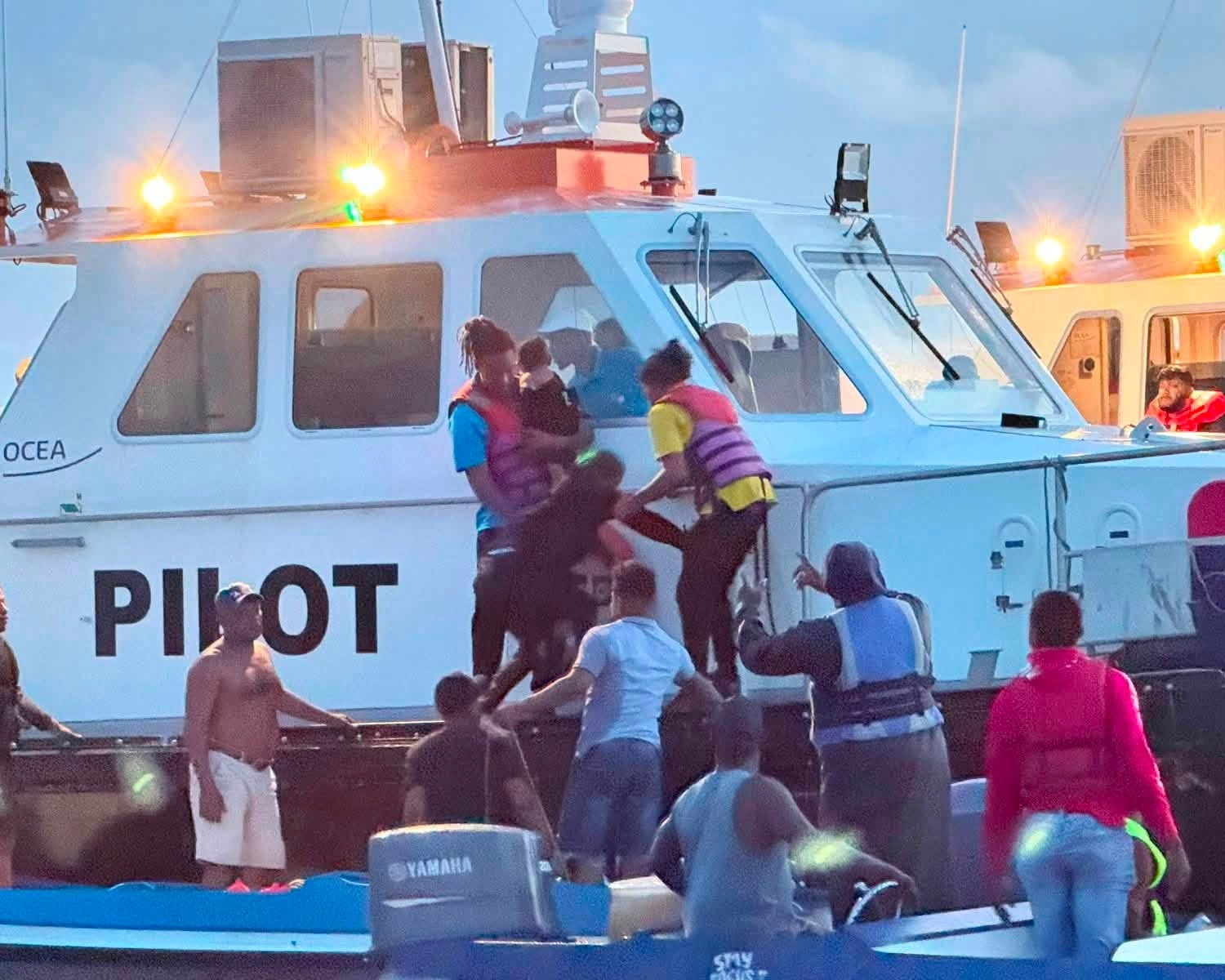

A devastating maritime tragedy has unfolded off the coast of Guyana, with authorities confirming the death of 72 people following the capsizing of the MV Barima, a state-operated ferry that sank in Atlantic waters off the Essequibo coast. The disaster, which occurred when the 87-year-old vessel departed Georgetown on Saturday bound for Port Kaituma, has become one of the deadliest maritime incidents in the South American nation's history, with government estimates suggesting the final death toll could reach as high as 100.
Of the estimated 179 people aboard the ill-fated ferry, rescue teams have successfully pulled 76 survivors from the water. The recovery operation continues as a multinational team, including divers from Brazil and Trinidad and Tobago, works to salvage the partially submerged vessel and locate remaining victims. Prime Minister Mark Phillips has pledged that the government will deploy every available resource to ensure all those lost can be given dignified burials, with the state covering funeral expenses and related costs as the ferry was uninsured.
Questions Over Capacity and Safety Standards
An investigation has already thrown light on potential failings that may have contributed to the disaster. Police have detained three individuals: the rescued captain, a crew member who allegedly tested positive for marijuana, and the marine superintendent responsible for overseeing the ferry's loading. A critical discrepancy has emerged regarding passenger numbers—whilst the ship's manifest listed 116 passengers and 17 crew, authorities now believe as many as 179 people were aboard, suggesting serious overcrowding.
The government has maintained that the vessel was operating under capacity in both passengers and cargo, but multiple survivors have contradicted this account, telling international media that they believed the ferry was dangerously overloaded. Several survivors have also raised disturbing questions about rescue response times, with some reporting they spent hours in the water before being pulled to safety.
The decision to keep an 87-year-old ferry in active service has also drawn scrutiny. The government explained that a replacement vessel was acquired from India in recent months but delivery has been delayed whilst authorities complete construction of a new pier at Port Kaituma to accommodate the modern ship. The MV Barima underwent major repairs during dry-docking in 2024 and was due for additional maintenance in October.
Why It Matters for Ghana and the Caribbean
This tragedy carries significant implications for maritime safety across the Caribbean and West Africa. Ageing ferries and water transport vessels remain critical infrastructure in many developing nations, and the Guyana incident highlights the dangers when maintenance, regulation, and capacity management fall short. For Ghana specifically, which relies heavily on coastal and water transport—particularly for inter-island and regional services—this disaster serves as a cautionary reminder of the importance of rigorous safety standards, vessel inspections, and adherence to capacity regulations.
The incident also underscores broader questions about maritime accountability in the region. A commission of inquiry has yet to be formally established in Guyana, though Prime Minister Phillips has asked for patience as investigations conclude. The findings will likely influence how regional governments approach ferry safety and vessel replacement programmes. With ECOWAS nations sharing similar maritime challenges and transport dependencies, lessons from this tragedy will be relevant to policymakers across West Africa as they assess their own maritime infrastructure and safety protocols.
As recovery efforts continue and criminal investigations proceed, the focus now turns to establishing why the vessel sank and whether systemic failures in oversight, maintenance, or operational procedures allowed this catastrophe to unfold.
Source: The Ghana Report



Comments (0)
Be the first to comment.