
VP Opoku-Agyemang Calls on Ghana's Private Sector to Harness Tax Reforms, AI and AfCFTA


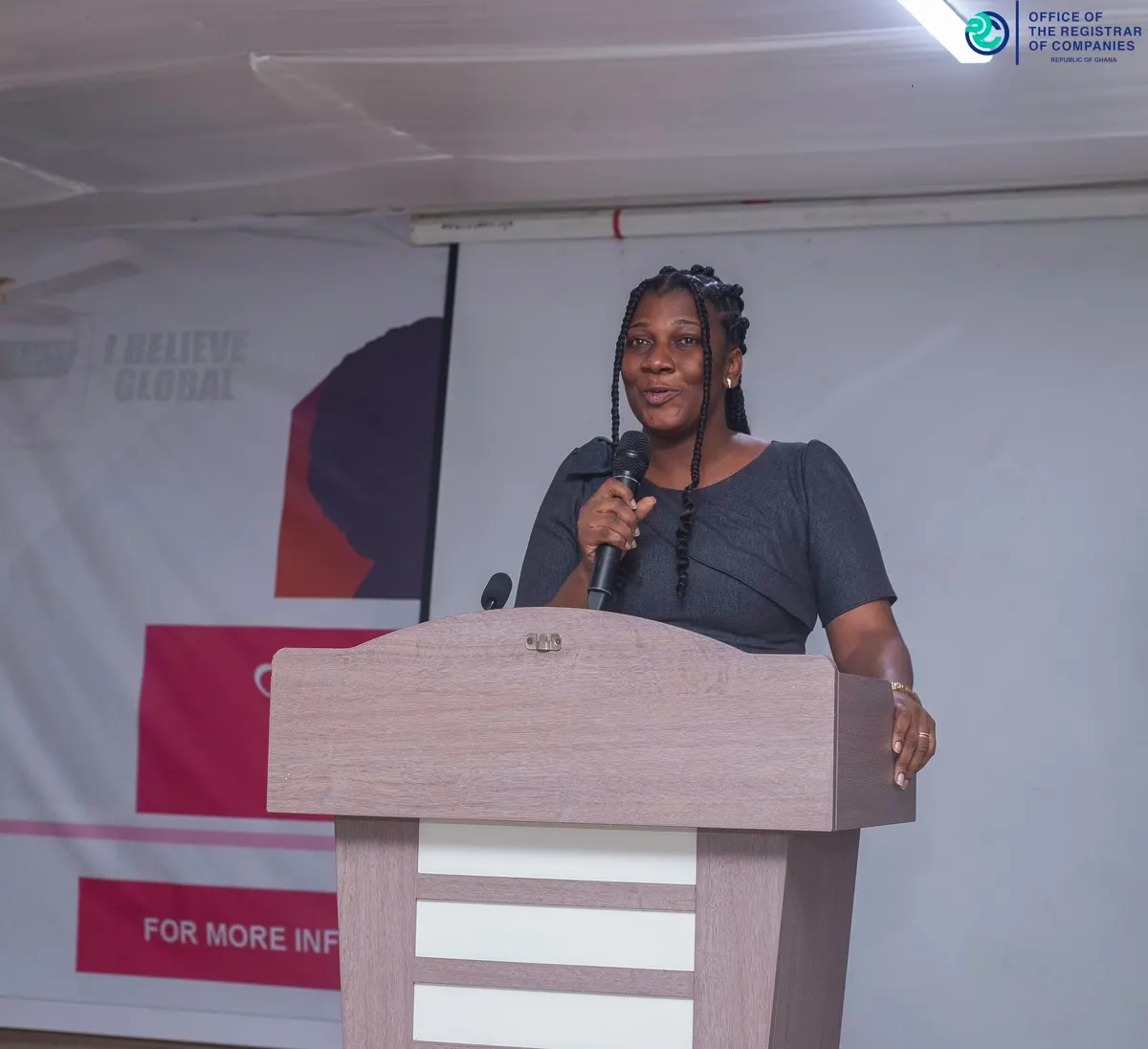
Vice President Professor Naana Jane Opoku-Agyemang has issued a strong call to Ghana's private sector to take full advantage of the government's ongoing economic reforms, rapidly evolving technologies such as artificial intelligence, and the expansive trade framework offered by the African Continental Free Trade Area (AfCFTA) to sharpen their competitiveness and sustain business growth.
A timely push for private sector action
The Vice President's message comes at a critical moment for the Ghanaian economy, which has been navigating a challenging period marked by currency pressures, high inflation and an IMF-supported recovery programme. Against this backdrop, the government has introduced a range of tax reforms aimed at easing the burden on businesses while broadening the revenue base — measures that the private sector has long advocated for.
Professor Opoku-Agyemang's remarks signal the government's expectation that the private sector must now meet these reforms with equally bold action — investing, innovating and expanding rather than waiting on the sidelines. The message is clear: policy adjustments alone will not deliver the economic transformation Ghana needs; businesses must actively seize the opportunities being created.
What this means for Ghana
For Ghanaian businesses, the convergence of three distinct opportunities — tax reform, artificial intelligence and AfCFTA — represents a rare window that experts say could meaningfully shift the country's economic trajectory if properly harnessed.
Tax reforms, when well-structured, reduce operational costs and free up capital that companies can redirect towards expansion and job creation. If recent government adjustments succeed in simplifying compliance and reducing the tax burden on small and medium-sized enterprises (SMEs), which form the backbone of Ghana's private sector, the downstream effects on employment and domestic production could be significant.
Artificial intelligence, meanwhile, is rapidly reshaping industries from agriculture to finance. Ghanaian businesses that invest early in AI-driven tools — whether for logistics, customer service, data analysis or crop management — stand to gain a substantial competitive edge, both locally and across the continent. Ghana already has a growing tech ecosystem in Accra, and the Vice President's call could encourage more traditional industries to integrate these technologies into their operations.
Perhaps the most consequential opportunity, however, is AfCFTA. With its secretariat based in Accra, Ghana is uniquely positioned to be a gateway and champion of intra-African trade. The agreement, which covers a market of over 1.4 billion people across 54 African countries, offers Ghanaian exporters access to markets they have historically struggled to reach due to tariff barriers and complex trade logistics. Sectors such as agro-processing, pharmaceuticals, textiles and light manufacturing could see significant growth if businesses invest in meeting continental standards and building regional supply chains.
The bigger picture
The Vice President's address reflects a broader philosophy within the current administration — that sustainable economic recovery must be private-sector led, with government playing an enabling rather than a directing role. This thinking aligns with international development consensus, which increasingly emphasises the importance of domestic private investment alongside foreign direct investment in driving long-term growth.
For the approach to bear fruit, however, businesses will need more than encouragement. Access to affordable credit remains a persistent challenge for Ghanaian SMEs, infrastructure gaps continue to raise the cost of doing business, and digital literacy across the workforce will need to improve significantly before AI tools can be deployed at scale.
Nonetheless, the Vice President's call is a meaningful signal that the government views the private sector as a central partner in Ghana's economic recovery — and that the tools to accelerate that recovery are increasingly within reach.
Source: 3News



Comments (0)
Be the first to comment.