Upper East NPP Chairmanship Race: Dr Atinga's Grassroots Push Could Reshape Party Strategy
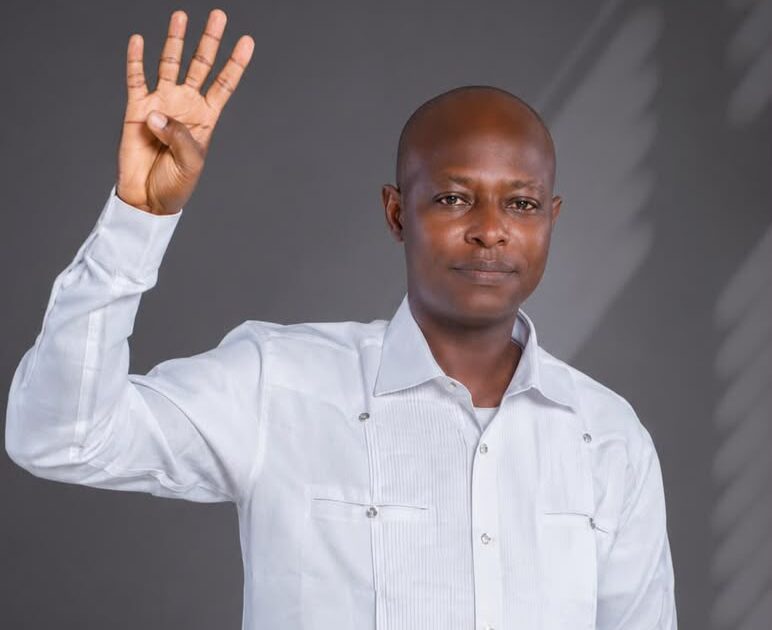
The New Patriotic Party's Upper East Region leadership race has taken shape with Dr Moses K. Atinga, a seasoned party operative and medical professional, outlining an ambitious restructuring plan designed to address long-standing organisational weaknesses that have hindered the party's electoral performance in the region.
Dr Atinga's candidacy represents an attempt to refocus the NPP on foundational party-building rather than reactive campaigning. His proposed "Tripod Strategy" addresses three interconnected areas: organisational capacity, communication effectiveness, and electoral precision—each targeting specific vulnerabilities the NPP has faced in recent cycles across the Upper East's constituencies.
A Strategy Built on Layered Experience
Dr Atinga brings considerable grassroots credentials to his campaign. His track record includes two terms as Assembly Member for Zorko-Gambrongo Electoral Area in Bongo District, consecutive terms as Bongo Constituency Secretary, a stint as Constituency Treasurer, and previous service as Upper East Regional First Vice Chairman. This progression from local representation through constituency administration to regional leadership positions him as someone who understands party mechanics at multiple levels.
His supporters argue this experience distinguishes him from candidates without similar hands-on exposure to how party structures function—or fail to function—from polling stations upward. The argument implicitly acknowledges that the NPP's regional struggles stem partly from weak foundations rather than messaging alone.
The Three Pillars Explained
First pillar: Organisational development. Dr Atinga proposes sustained investment in training party officers across all tiers, from polling-station level through to regional executives. This directly addresses the common problem of parties mobilising only during election periods then fading into dormancy. A year-round active structure, Atinga suggests, would maintain momentum and respond faster to political developments.
Second pillar: Strategic communication. Rather than allowing NPP communicators to react to opposition messaging, Dr Atinga envisions a proactive, coordinated system where regional communicators receive stronger training and support. This shift from defensive to offensive positioning reflects lessons from parties that dominate media narratives.
Third pillar: Electoral intelligence. Detailed constituency-by-constituency analysis would underpin voter engagement strategies. The approach includes specific focus on youth mobilisation, women's participation, and polling-station-level trend monitoring—data-driven targeting absent from more general campaign efforts.
Why It Matters for Ghana
The Upper East Region represents significant political terrain. As a traditional NPP stronghold, its performance directly impacts national electoral outcomes and parliamentary representation. If the party has weakened here, understanding why matters not just for regional politics but for national balance. Dr Atinga's diagnosis—that grassroots organisation and communication systems have atrophied—resonates beyond the Upper East; similar weaknesses plague many regional party structures nationwide.
His emphasis on mentoring younger members and maintaining party unity after internal contests also carries broader implications. Ghanaian political parties frequently lose talented activists after intra-party contests, fracturing organisational capacity. A deliberate strategy to retain and develop young talent while preventing factionalism could offer a model for how parties strengthen rather than fragment during leadership transitions.
The chairmanship race itself signals the NPP's acknowledgment that electoral challenges require more than candidate selection or national messaging—they demand revitalised local structures. Delegates voting in this contest will effectively decide whether the party embraces foundational rebuilding or continues existing approaches.
Dr Atinga's consultative style and unity-focused messaging suggest he sees the chairmanship not as a prize but as a mandate to reorganise. Whether delegates prioritise this systemic approach over other candidates' platforms will reveal how seriously the party intends to address its organisational deficits in one of its historically important regions.
Source: MyJoyOnline


Comments (0)
Be the first to comment.