Uncle Ebo's Radical Path: How a Ghanaian Theatre Icon Burned His Certificates for Art
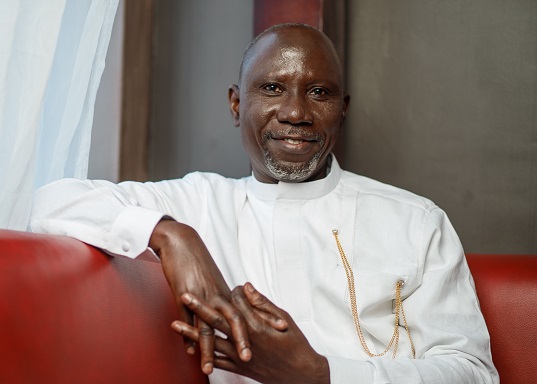
In a candid conversation about his unconventional life choices, renowned Ghanaian theatre practitioner Uncle Ebo has opened up about the deeply personal decisions that shaped his remarkable career and philosophy. His story offers a rare glimpse into the mindset of an artist willing to sacrifice conventional markers of success for a passion he believes serves a higher purpose.
Uncle Ebo's journey began in 1976 when he first stepped into professional theatre. Unlike many who might have treated performance as a side pursuit, he eventually faced a critical crossroads. After encountering early commercial setbacks, he made a dramatic decision: he destroyed his own academic certificates to signal his absolute commitment to theatre. This was not a gesture of despair, but rather a deliberate severing of what he saw as competing options—a way of closing doors to retreat into traditional career paths.
"Theatre is my pulpit," he explained, describing his work on stage as a platform for ministry rather than mere entertainment. For Uncle Ebo, the stage serves as a medium for communicating values and messages to society, positioning the performer not simply as an entertainer but as a cultural commentator and moral educator.
A Life Shaped by Observation and Principle
Beyond his theatrical commitments, Uncle Ebo's personal lifestyle reflects equally deliberate choices rooted in his childhood observations. Watching his father struggle with alcoholism profoundly influenced his decision to abstain from alcohol entirely—a choice that has defined his adult life. This experience taught him that witnessing a loved one's suffering with addiction could serve as the strongest possible cautionary lesson.
His other lifestyle choices underline a philosophy of radical simplicity and self-reliance. Uncle Ebo does not use a mobile phone or WhatsApp, seemingly disconnecting from the digital communication tools most contemporary Ghanaians consider essential. He has also developed minimalist personal routines, including cutting his own nails rather than relying on external services. These choices suggest a man committed to reducing his dependencies and maintaining a certain distance from modern consumer culture.
Why It Matters for Ghana: Rethinking Success and Tradition
Uncle Ebo's story carries particular significance in a Ghanaian context where academic credentials remain deeply valued as pathways to respectability and economic security. His willingness to destroy his certificates challenges widely held assumptions about what constitutes a successful life. In a society where many parents prioritise formal education as the ultimate safeguard, his testimony invites reflection on alternative forms of contribution and fulfilment.
Additionally, Uncle Ebo's observations on Ghanaian marriage and tradition provide important cultural commentary. He argues that traditional marriage structures in Ghana were historically designed around social and economic necessity rather than the modern ideal of companionship. This analysis extends to contemporary practices such as funeral arrangements and the treatment of widows—practices that continue to reflect these historical frameworks even as Ghana modernises. His perspective suggests that understanding the origins of these customs is essential for Ghanaians seeking to navigate tradition thoughtfully rather than blindly.
As a theatre practitioner, Uncle Ebo represents a particular strand of Ghanaian cultural expression—one that views the arts not as decoration or entertainment but as essential vehicles for social reflection and change. His life choices, unconventional as they may appear, reflect a coherent philosophy about what matters most: artistic integrity, personal principle, and the responsibility to use one's platform for meaningful communication.
Source: Ameyaw Debrah



Comments (0)
Be the first to comment.