
Tyla Opens Up on African Identity, New Album A*POP, and Global Fame Journey
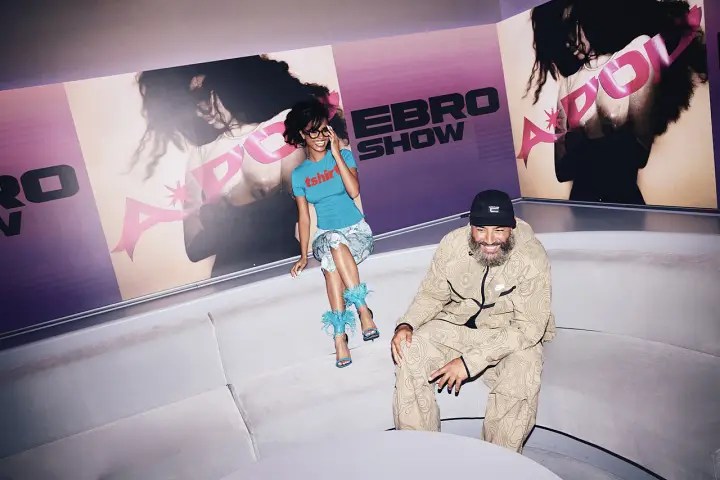

South African music sensation Tyla has given an in-depth interview on The Ebro Show on Apple Music Radio, discussing her second album A*POP and the transformative journey that has taken her from obscurity to global prominence. The 24-year-old artist reflects candidly on the challenges and rewards of sudden fame, identity discussions that sparked online debate, and her vision for broadening perceptions of what contemporary African pop can be.
In the conversation, Tyla reveals how unprepared she was for the magnitude of success that followed her breakthrough. Coming from a quiet life in South Africa surrounded by family, she admits that her transition to the international spotlight exceeded her expectations in both positive and difficult ways. She credits her experiences—from the highs to the lows—with building her resilience and sense of self. "I feel like a strong woman, you know, internally," she explains, noting that when she first entered the industry, she had a naive view of how it operated. Now, she describes herself as confident, strong, and at peace.
The Identity Conversation That Sparked Debate
One of the most significant discussions Tyla addresses is the backlash she faced after publicly discussing her racial identity. The artist, who grew up in South Africa where she identified as "coloured"—a classification used in the South African context—faced criticism when the conversation extended to a global audience with different cultural frameworks and sensitivities. She explains that discovering how the same terminology carries different weight and meaning across countries was eye-opening and challenging.
Tyla acknowledges the complexity of the conversation, noting that she understands why certain terms can be triggering in different contexts, particularly given derogatory usage in various countries. Rather than viewing the backlash as purely negative, she frames it as a valuable learning opportunity that opened up important dialogues. "I just hope whoever sees this can make their videos on TikTok and like maybe we can come to some sort of understanding," she reflects, recognising the broader significance of international conversations around identity and representation.
Why It Matters for Ghana
Tyla's prominence and experiences carry particular resonance across the African continent, including Ghana. As an African artist achieving global success, she challenges stereotypical expectations of what African musicians should look, sound, and act like—a conversation that resonates deeply in Ghana's creative industries. Her willingness to discuss identity, representation, and authenticity mirrors broader Pan-African conversations about cultural representation and self-determination that Ghanaian audiences engage with regularly, whether through music, film, or public discourse.
Furthermore, Tyla's approach to her craft—selecting collaborators she has genuine chemistry with, crafting a vision that reflects her diverse influences, and maintaining her personality regardless of public perception—offers insights relevant to Ghana's emerging and established artists navigating international markets while maintaining cultural authenticity.
A*POP: Redefining African Pop
The album title A*POP—standing for African Pop—encapsulates Tyla's mission with her second project. She emphasises the importance of expanding what an African pop star can represent, directly challenging the notion that artists from the continent must fit a particular aesthetic or sonic template. When critics have suggested she is "not African enough," Tyla counters by questioning who gets to define such criteria.
She describes her creative process for the album as deliberately collaborative with artists and writers she considers friends who understand her vision. This approach, she explains, ensures authenticity and genuine creative synergy rather than transactional music-making. Tyla also addresses perceptions of her personality, acknowledging that her blunt, opinionated nature—which she attributes to her South African upbringing—may be misinterpreted in contexts with different communication styles. She maintains that she is kind-hearted but direct, refusing to moderate her authentic self for public consumption.
Source: Ameyaw Debrah


Comments (0)
Be the first to comment.