Telecel Ghana goes green with biodegradable Eco-SIM launch
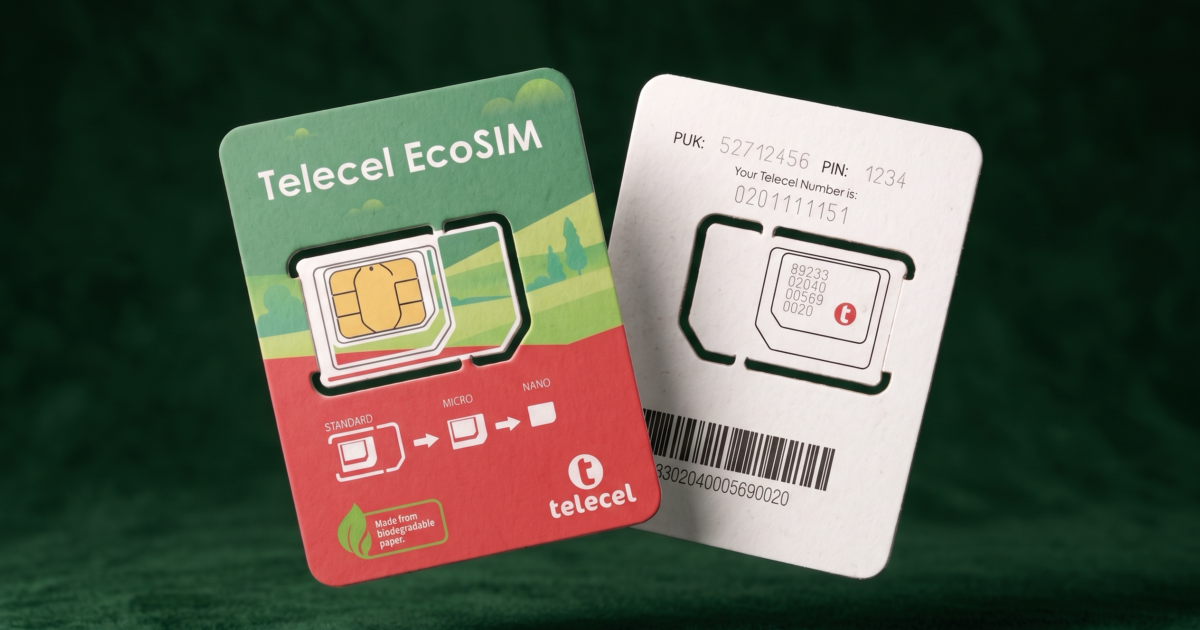
Telecel Ghana has taken a significant step towards environmental responsibility by introducing biodegradable Eco-SIM cards that reduce plastic consumption by 90 per cent while maintaining the same reliable connectivity customers depend on. The move addresses a growing global challenge: with 3.7 billion physical SIM cards manufactured worldwide in 2024, the telecommunications industry contributes substantially to plastic waste that accumulates in landfills and waterways.
For Ghana specifically, the initiative holds particular relevance given the NCA's data showing over 43 million active mobile SIM users as of February 2026. With the mobile telecommunications sector continuing to expand across the country, the transition to sustainable alternatives could meaningfully reduce Ghana's contribution to global plastic waste whilst maintaining service quality for millions of users.
What makes the Eco-SIM different
The biodegradable Eco-SIM delivers identical voice, data and digital functionality to conventional SIM cards but with a drastically reduced environmental footprint. Rather than requiring behavioural changes from customers, the product simply offers a greener choice within existing usage patterns. Aneth Muga, Director of Consumer Business at Telecel Ghana, described it as putting climate action directly into customers' hands through everyday decisions.
Though individual SIM cards may seem insignificant, their cumulative impact is substantial when considering billions are produced annually. SIM card packaging compounds the problem, contributing further to single-use plastic streams that burden Ghana's waste management infrastructure and natural ecosystems.
The broader sustainability picture
The Eco-SIM launch complements Telecel Ghana's wider environmental agenda. The company is transitioning network exchanges into solar-powered connectivity hubs, with 16 facilities already operating on renewable energy. This dual approach—addressing both the products customers use and the infrastructure powering their services—demonstrates a comprehensive commitment to reducing operational environmental impact.
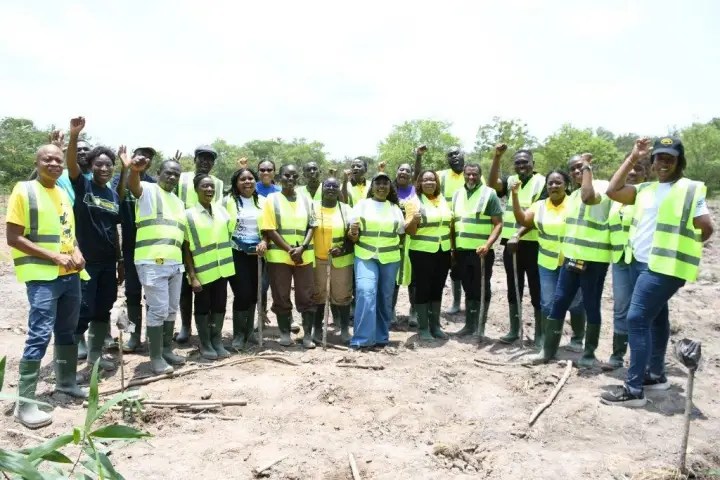
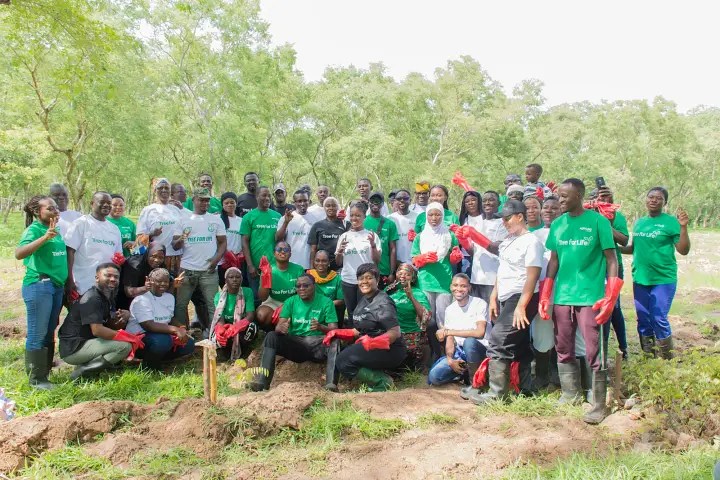
Beyond infrastructure, Telecel Ghana has invested in ecosystem restoration, planting over 40,000 trees across major forest reserves including Achimota, Chipa and South Formangso. These reforestation efforts contribute to combating deforestation and supporting Ghana's natural capital at a time when climate resilience has become a national priority.
Why it matters for Ghana
Ghana's telecommunications sector underpins economic activity, education access and digital inclusion across the nation. However, rapid growth in mobile connectivity has environmental costs that often go unaddressed. The Eco-SIM launch represents a practical model for how essential services can evolve towards sustainability without compromising functionality.
For a country increasingly vulnerable to climate impacts, corporate environmental responsibility in high-volume consumer sectors signals progress towards a more sustainable economy. If other telecommunications providers follow Telecel's example, Ghana could significantly reduce plastic waste from one of the nation's most widely-used products. Additionally, the company's renewable energy transition in network infrastructure offers a blueprint for reducing the sector's carbon footprint during a period of critical energy transition decisions.
The initiative also aligns with Ghana's broader sustainability commitments and demonstrates how private sector innovation can support environmental goals without compromising service delivery—a model relevant across multiple industries operating in the country.
Source: MyJoyOnline


Comments (0)
Be the first to comment.