Advans Ghana Plants 1,600 Trees as Part of Sustainability Drive Across Two Regions
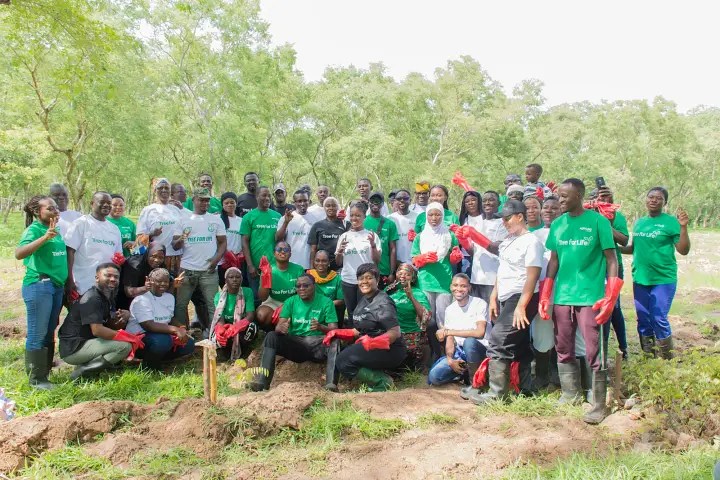
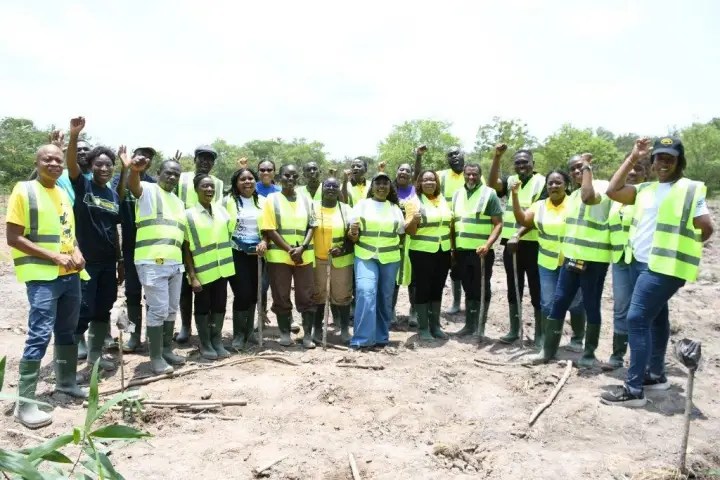
Advans Ghana Savings and Loans has demonstrated tangible commitment to environmental action by planting 1,600 Acacia, Teak, and Shea seedlings across the Chipa Forest Reserve in Greater Accra and Kogni Forest Reserve in the Northern Region. The initiative, executed in partnership with Ghana's Forestry Commission, brought together staff members and clients to actively contribute to national reforestation efforts whilst reinforcing the financial institution's broader sustainability agenda.
The tree planting exercise reflects a strategic pivot towards responsible banking practices that extend beyond balance sheets. Chief Executive Officer Guillaume Valence emphasised that sustainable growth encompasses far more than financial returns, stating that each tree planted represents an investment in Ghana's environmental resilience and future prosperity. This philosophy underpins Advans Ghana's wider commitment to creating measurable environmental and social impact across its operations and customer base.
Building on Seven Years of Environmental Progress
Advans Ghana's track record demonstrates genuine dedication to long-term environmental stewardship. Over the past seven years, the institution's tree planting initiatives have achieved an 80 percent survival rate—a significantly higher figure than many reforestation projects across the continent. This success stems from continuous monitoring and maintenance protocols developed jointly with the Forestry Commission, ensuring newly planted trees receive necessary support during critical early growth phases.
The scale of this year's initiative becomes even more apparent when contextualised against the institution's operational footprint. The 1,600 trees planted represent the equivalent of approximately 26,500 reams of paper based on standard production metrics. This figure dwarfs Advans Ghana's own annual paper consumption, which dropped dramatically from 1,800 reams in previous years to just 445 reams in 2025—a reduction exceeding 75 percent. This internal efficiency reflects broader digital transformation strategies that simultaneously reduce environmental impact and operational costs.
Why This Matters for Ghana
Deforestation remains one of Ghana's most pressing environmental challenges, with forest cover declining steadily over recent decades due to illegal logging, agricultural expansion, and infrastructure development. Private sector engagement in reforestation initiatives like Advans Ghana's programme provides critical supplementary capacity to government efforts, which often face resource constraints.
The involvement of a major financial institution signals shifting priorities within Ghana's business community. When banks integrate climate action into core strategy rather than treating it as peripheral corporate charity, it creates ripple effects throughout their lending operations. Advans Ghana's stated commitment to developing climate-related loan products and innovative financial solutions for climate-affected communities suggests the institution is positioning itself to support Ghana's transition towards more resilient and sustainable economic models.
Additionally, staff and customer participation in these initiatives builds environmental consciousness within communities whilst demonstrating that climate action requires collective participation across all societal sectors. For a nation increasingly vulnerable to climate variability affecting agriculture, water resources, and coastal regions, normalising environmental stewardship as part of institutional culture represents meaningful progress.
The initiative aligns with Ghana's international climate commitments under the Paris Agreement and contributes incrementally towards national reforestation targets, though scaling such efforts substantially will require continued coordination between government, financial institutions, and civil society organisations.
Source: Ameyaw Debrah



Comments (0)
Be the first to comment.