
Supreme Court Overturns Delegate System: Ghana's Political Parties Must Adopt 'One Member, One Vote'

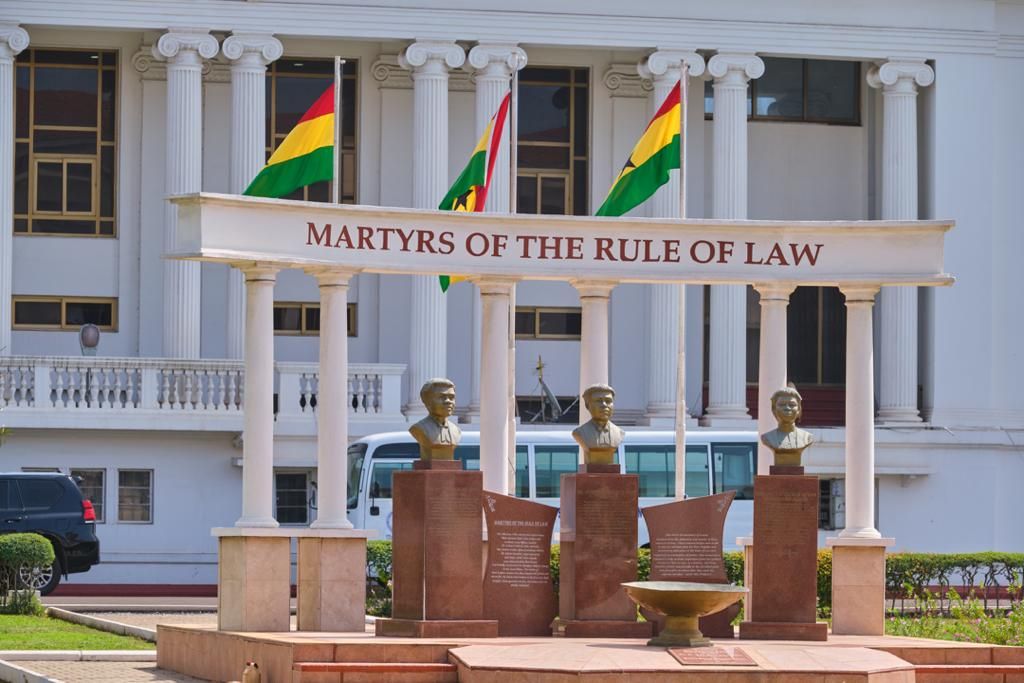
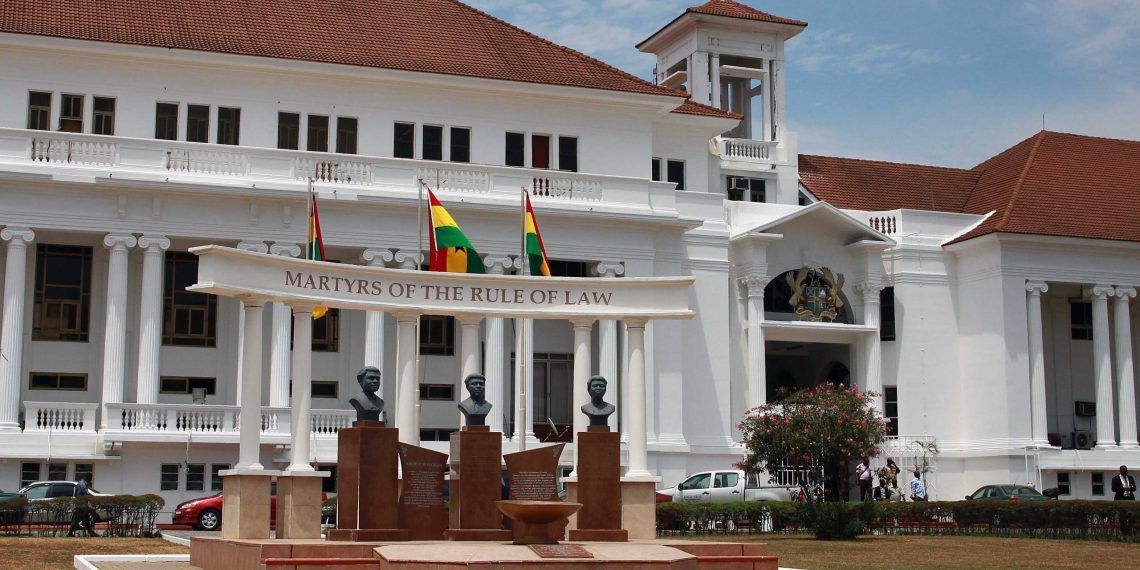
Ghana's Supreme Court has fundamentally reshaped internal party democracy, ruling that all registered members in good standing must be allowed to vote in their parties' leadership elections. The 5–2 majority decision, delivered on Wednesday, July 29, effectively dismantles the delegate system that has governed presidential, parliamentary and executive primaries in Ghana for decades, replacing it with direct "one member, one vote" participation.
The landmark ruling concludes a significant constitutional challenge brought by three prominent figures: former Environment Minister Professor Kwabena Frimpong-Boateng, veteran politician Dr Nyaho Nyaho-Tamakloe, and former Lands and Forestry Minister Dr Christine Amoako-Nuamah. Their legal battle centred on a fundamental question: whether restricting voting rights to selected delegates contradicts Ghana's democratic values enshrined in the 1992 Constitution.
How the Old System Worked
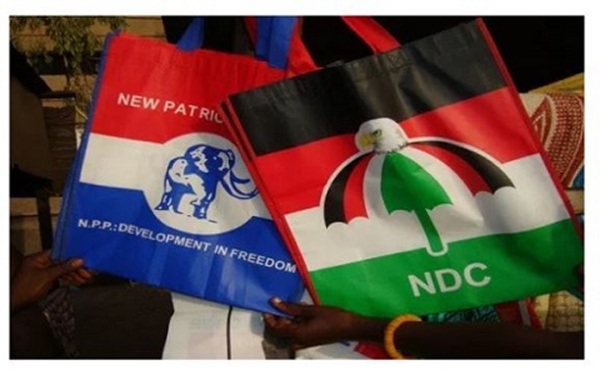
For generations, Ghana's major political parties—the New Patriotic Party (NPP), National Democratic Congress (NDC) and Convention People's Party (CPP)—have relied on delegate-based electoral colleges to select their leaders and candidates. Under this arrangement, voting rights were restricted to party executives, constituency officers and accredited delegates, effectively excluding millions of ordinary members from direct participation in choosing who represents their party.
The plaintiffs argued this created a two-tier membership system, granting electoral power to a privileged minority whilst ordinary members—despite paying dues and meeting all party requirements—had no say in leadership decisions. They contended this inequality violated Article 55 of Ghana's Constitution, which recognises political parties as institutions that must operate according to democratic principles.
Why It Matters for Ghana
This Supreme Court decision carries profound implications for Ghana's democratic future. The shift toward broader participation could significantly alter how power is distributed within parties and, by extension, who reaches high office. Under the delegate system, concentrated voting power meant party elites and regional power brokers wielded disproportionate influence over candidate selection. A "one member, one vote" approach could democratise these processes, making party leaders more directly accountable to their grassroots.
The ruling also reflects growing pressure for internal party reforms. The Attorney-General's Department supported the plaintiffs, arguing that political parties perform critical public functions in Ghana's democracy and therefore their internal elections must reflect constitutional values of equality, participation and universal suffrage. Officials further submitted that expanding voting rights would strengthen accountability and deepen democratic engagement.
However, implementation will present practical challenges. The ruling requires all three major parties—and any other registered party—to amend their constitutions to comply. The Electoral Commission has been tasked with ensuring compliance. Parties must now establish systems to verify membership, manage larger-scale voting logistics, and prevent fraud in internal elections involving potentially hundreds of thousands of voters instead of select delegates.
What Comes Next
The immediate impact will be felt in future presidential and parliamentary primaries. Any party planning primary elections must now design processes accommodating all eligible members, which could prove costly and logistically complex. The NDC and NPP, Ghana's two dominant parties, will face particular pressure to reform quickly given their size and resources.
This decision also sets a precedent for party governance. Beyond voting systems, questions remain about how parties will implement digital voting, prevent voter disenfranchisement, and ensure the integrity of mass internal elections. The ruling's success ultimately depends on whether political parties genuinely embrace democratic reform or find workarounds to limit its practical effect.
Source: Today GH



Comments (0)
Be the first to comment.