
Ghana's Supreme Court Overturns Delegate System: All Party Members to Vote in Primaries
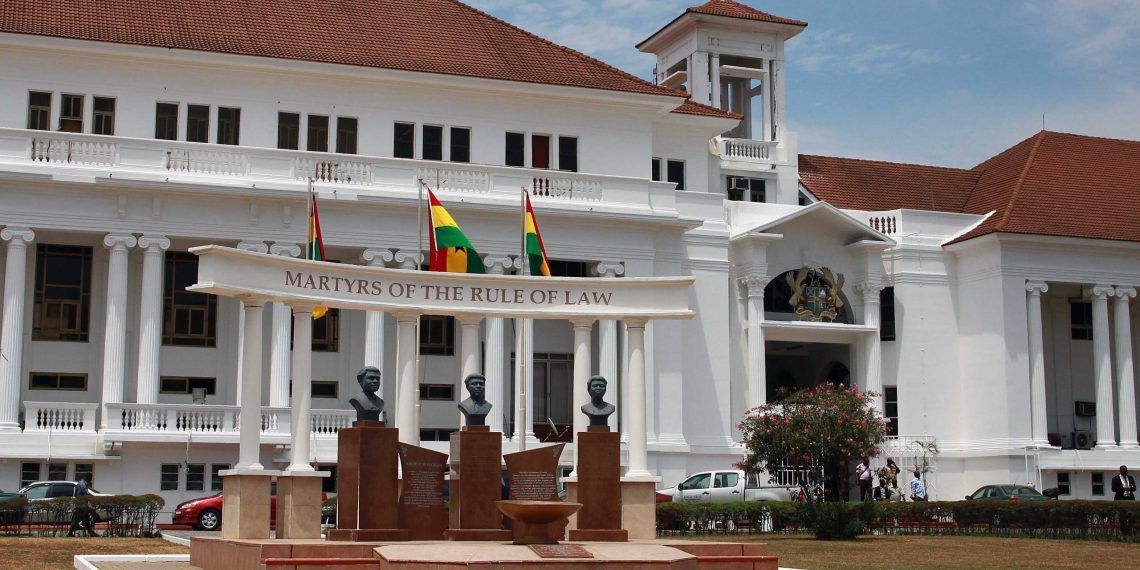

In a landmark decision that fundamentally reshapes Ghana's internal party democracy, the Supreme Court has ruled that all registered members of political parties must be allowed to vote in primary elections. The 5-2 majority verdict dismantles the long-standing delegate system, where only selected party delegates participated in candidate selection processes.
This ruling marks a significant shift in how Ghana's major political parties—including the National Democratic Congress (NDC) and New Patriotic Party (NPP)—will conduct their internal elections going forward. The delegate system has been a fixture of Ghanaian politics for decades, but the court found it incompatible with principles of democratic participation and equal representation within party structures.
What the ruling means
The Supreme Court's decision effectively opens primary elections to the broader party membership. Previously, parties selected a smaller pool of delegates to choose presidential and parliamentary candidates, a process that critics argued concentrated power among party elites and excluded grassroots members from meaningful participation.
The shift to universal member voting is expected to:
- Increase transparency in candidate selection processes across political parties
- Empower ordinary party members who previously had no direct say in choosing candidates
- Potentially influence the calibre and diversity of candidates running for office
- Require significant logistical changes to accommodate larger voting populations
The two dissenting judges likely raised concerns about implementation challenges or constitutional interpretation, though their specific reasoning adds nuance to the broader debate about democratic reform in Ghana's party system.
Why it matters for Ghana
This ruling has profound implications for Ghana's electoral democracy. Primary elections are where political parties select the candidates who will ultimately represent them in general elections. By expanding voting rights within parties, the court is pushing for greater internal democratic accountability—a move that strengthens the principle that power should rest with party members rather than unelected party machinery.
For Ghanaians, this means more say in which candidates their preferred parties field for Parliament and the presidency. It could lead to more competitive primaries, fresher voices entering politics, and candidates more responsive to grassroots party members. However, it also raises practical questions about how parties will organise large-scale primary voting, manage logistics, and prevent malpractice in expanded electoral processes.
The ruling reflects a global trend toward more inclusive party democracy in established democracies. Ghana, as one of West Africa's democratic anchors, has increasingly emphasised deepening democratic institutions. This Supreme Court decision aligns with that trajectory, even as implementation challenges loom.
Implementation ahead
Political parties now face the task of reforming their party constitutions and election procedures to comply with the court order. They must establish systems for verifying party membership, conducting transparent voting, and managing the logistics of enabling thousands or even hundreds of thousands of members to participate in primaries.
The timing of this ruling will be crucial, depending on when Ghana's next general election cycle and party primaries are scheduled. Parties will need adequate time to prepare, but the Supreme Court has set a clear legal precedent that the delegate system is no longer permissible under Ghana's constitutional framework.
Source: 3News




-1200x1338.webp)
Comments (0)
Be the first to comment.