
Constitutional Scholar Brako-Powers Warns Delegate System Ruling Could Undermine Party Autonomy
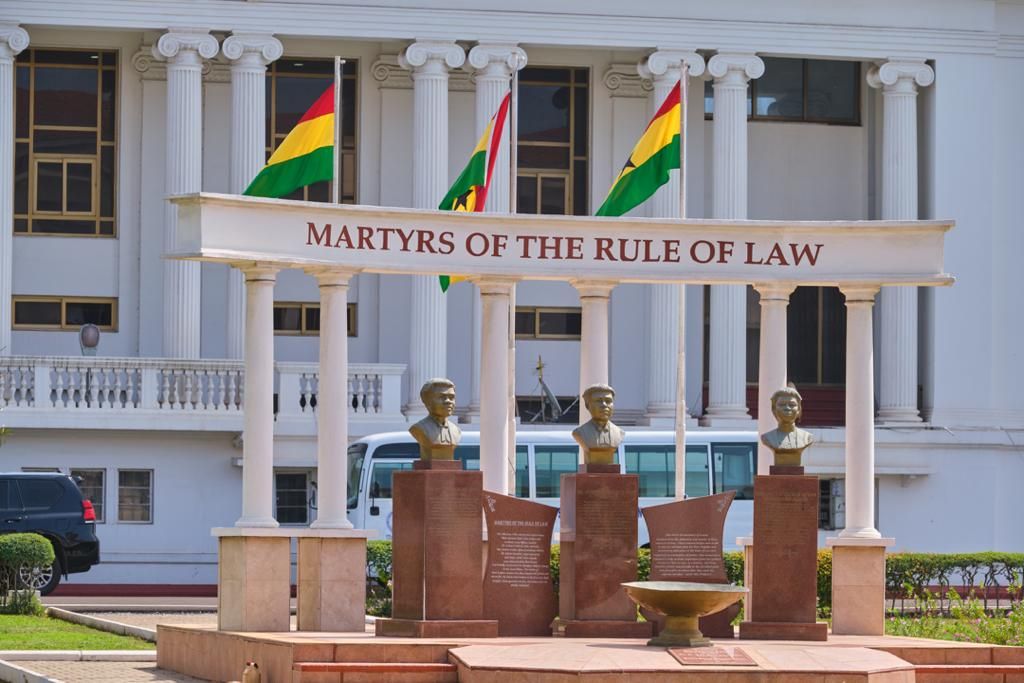

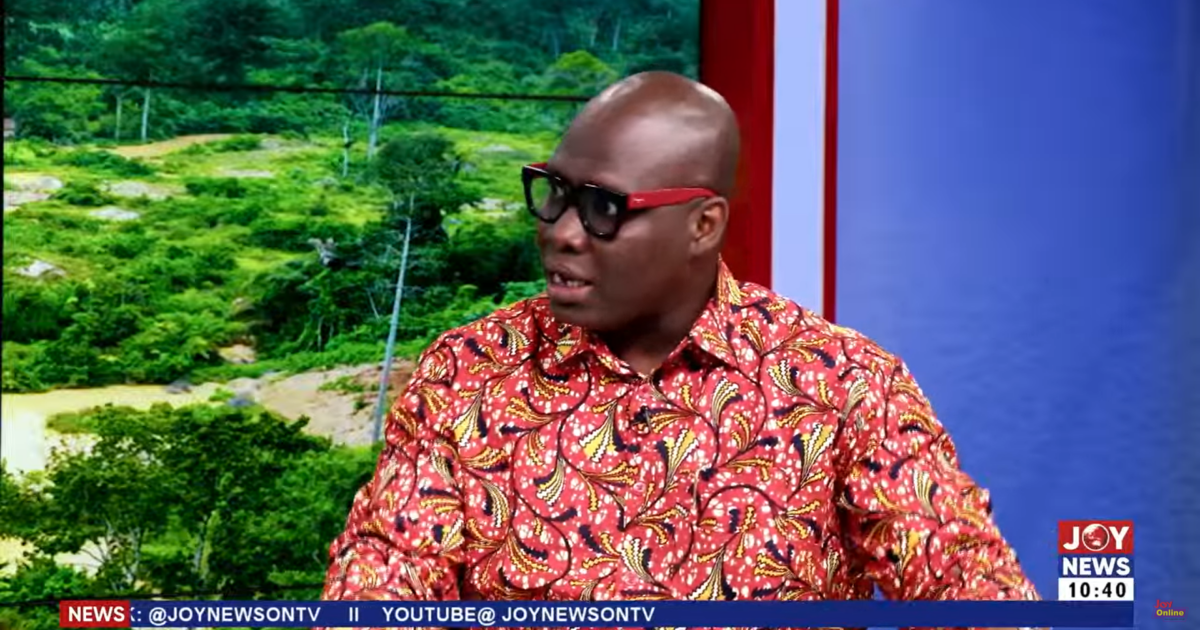
A prominent constitutional law scholar has raised serious concerns about a recent Supreme Court decision affecting how Ghana's political parties select their leaders, arguing the ruling overreaches judicial authority and misinterprets the constitution's framework for party organisation.
Brako-Powers contended that Article 55 of the 1992 Constitution only requires political parties to organise themselves in accordance with democratic principles, without prescribing the specific electoral model they must adopt. According to this interpretation, the constitution grants parties flexibility in choosing whether to use delegate systems, direct member voting, or other mechanisms—provided the process adheres to democratic standards.
The Constitutional Question at the Heart of the Dispute
The disagreement centres on how broadly Article 55 should be read. Brako-Powers argues the provision was deliberately written to allow parties operational discretion in their internal affairs. The Scholar's position suggests the Supreme Court may have ventured beyond constitutional text by imposing requirements not explicitly stated in the 1992 Constitution.
This distinction matters considerably in Ghana's political system. Political parties serve as gatekeepers for presidential and parliamentary candidates, and the method they choose to select leaders directly affects which candidates reach the ballot. If courts can dictate these internal processes, it raises questions about where party autonomy ends and judicial oversight begins.
Why It Matters for Ghana's Political Future
This ruling has implications extending far beyond legal technicality. Ghana's two dominant political parties—the National Democratic Congress (NDC) and New Patriotic Party (NPP)—have traditionally relied on delegate conferences to select presidential flagbearers. Any court-mandated change to this system could reshape how candidates emerge and potentially alter campaign dynamics in future elections.
For ordinary Ghanaians, the practical question is clear: should unelected judges decide how political parties conduct their internal business, or should this remain a party prerogative? The answer affects democratic participation. If parties lose control over their nomination processes, members may feel less engaged in party affairs. Conversely, if courts cannot intervene, there is risk of parties operating undemocratically behind closed doors.
Brako-Powers's intervention suggests constitutional scholars and legal experts remain divided on the proper boundary between judicial review and party self-governance. This debate will likely persist through Ghana's forthcoming electoral cycles and may return to the courts if parties challenge any enforcement of the controversial ruling.
Moving Forward: The Road Ahead
The broader question now facing Ghana's political and legal communities is how to balance two legitimate interests: protecting democratic principles within parties while respecting their organisational independence. Brako-Powers's position offers one intellectual counterweight to the Supreme Court's approach, signalling that this constitutional question remains unsettled despite the court's pronouncement.
Political parties may use this scholarly critique to mount fresh legal challenges or seek legislative clarification on Article 55's scope. Meanwhile, electoral bodies and party administrators face uncertainty about which system they should implement going forward.
Source: 3News



Comments (0)
Be the first to comment.