
Student Poverty on Ghanaian Campuses Is Reaching Crisis Point, Warns University of Ghana Lecturer
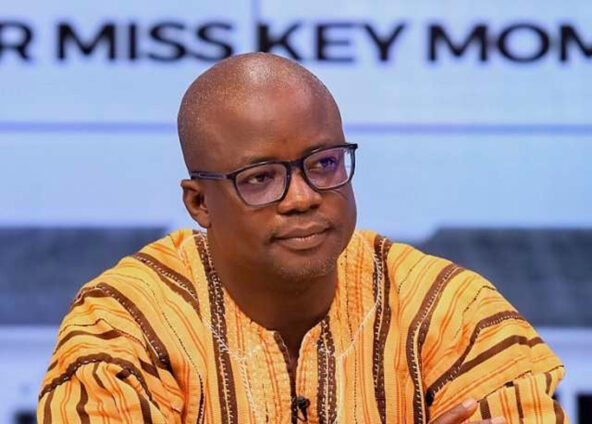

Poverty among university students in Ghana is worsening to the point of becoming a national emergency, according to a senior academic at the University of Ghana. Dr. Joshua Ebuntie Zaato, a Senior Lecturer in the Department of Political Science, has called for urgent public attention to the financial hardships facing students on campuses across the country — hardships he says are being consistently overlooked in broader conversations about Ghana's cost-of-living crisis.
Students Struggling to Meet Basic Needs
Speaking in an interview on 21st November, Dr. Zaato painted a stark picture of daily life for many university students. He described a reality where students cannot consistently afford three meals a day, struggle to pay for transportation between off-campus housing and their lecture halls, and are increasingly unable to purchase the textbooks and learning materials required for their studies.
"We talk about poverty in the country, but what we don't do is that sometimes we don't compartmentalise the poverty. If we did, we'll realise that poverty on university campuses in general and the University of Ghana in particular is getting to a national crisis stage," Dr. Zaato stated.
He stressed that the burden is not felt by students alone. Parents and guardians are also under growing financial strain as they attempt to support their children through higher education at a time when the cost of living continues to rise across Ghana. Many families, he noted, are being pushed to their limits trying to cover tuition, feeding, accommodation and transport costs simultaneously.
Accommodation Crisis Making Things Worse
Dr. Zaato's remarks arrive in the context of a high-profile dispute between the University of Ghana Enterprises Limited (UGEL) and Rent Commissioner Frederick Opoku over student hostel fees — a disagreement that has thrust the issue of unaffordable student accommodation squarely into the public eye.
According to Dr. Zaato, the shortage of affordable on-campus housing is a major driver of student hardship. When students are forced to live off campus, they face additional transportation costs that eat further into already tight budgets. Rather than spending time studying, many students must dedicate considerable energy and money simply to getting to and from their institutions each day.
"Students are suffering. Accommodation issues have just compounded it and made it worse," he said.
Why It Matters for Ghana
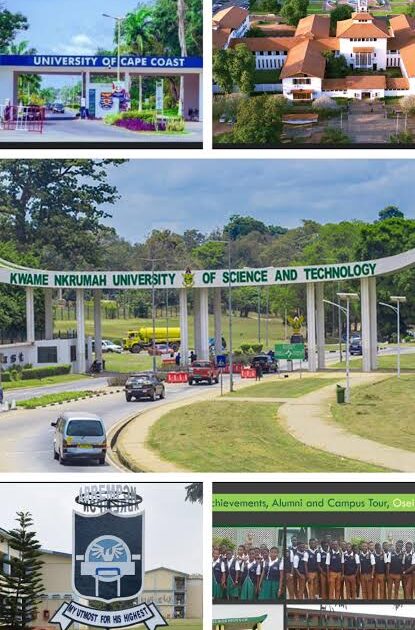
Ghana has long invested in higher education as a pathway out of poverty and a foundation for national development. Universities like the University of Ghana, Kwame Nkrumah University of Science and Technology (KNUST) and the University of Cape Coast enrol tens of thousands of students each year, many of whom come from low- and middle-income families with high hopes for social mobility.
When students cannot focus on their studies because they are preoccupied with survival — where their next meal will come from, or how they will afford transport — the long-term consequences extend beyond individual students. Academic performance suffers, dropout rates risk rising, and the country's broader human capital development goals are undermined.
Ghana's economic pressures over recent years, including high inflation and a currency that has faced significant depreciation, have made the situation considerably worse for ordinary families. For students living on stipends or small allowances from parents, even modest price increases in food or rent can tip the balance into genuine hardship.
- Dr. Zaato is calling on policymakers, university administrations and civil society to treat student poverty as a distinct and urgent category of national concern, rather than subsuming it within general economic discussions.
- He also urged that the ongoing hostel fee dispute be resolved in a manner that genuinely prioritises student welfare, rather than purely commercial interests.
As Ghana continues to grapple with economic recovery, advocates like Dr. Zaato are insisting that the struggles of university students must be part of that conversation — not an afterthought.
Source: The Ghana Report



Comments (0)
Be the first to comment.