Speaker Bagbin urges Ghana's legal bodies to unite against professional divisions
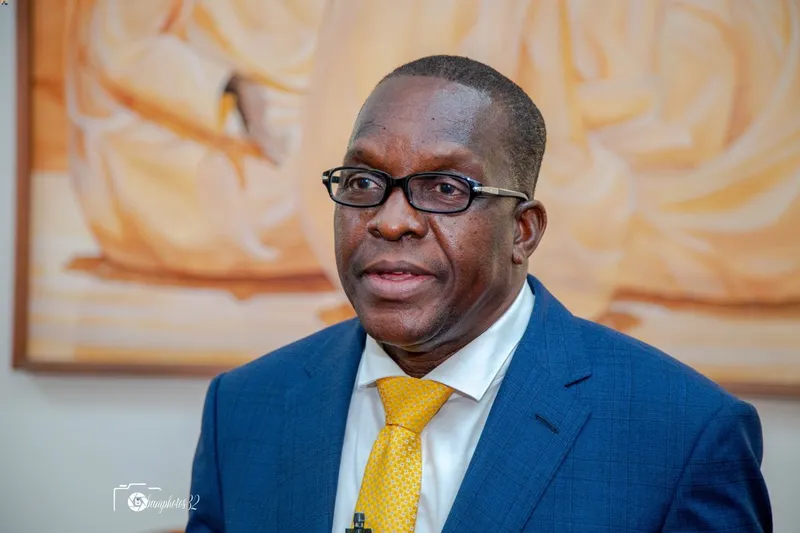
Parliament Speaker Alban Sumana Kusi Bagbin has issued a stark warning to Ghana's legal fraternity, calling on the General Legal Council (GLC), Ghana Law School (GLS), and Ghana Bar Association (GBA) to set aside divisions and work towards institutional cohesion. Speaking on September 30, Bagbin stressed that while the legal profession benefits from diverse viewpoints and approaches, this professional pluralism must not evolve into damaging institutional rivalry.
The Speaker's intervention comes at a time when Ghana's legal sector has grappled with tensions between key institutional actors. His message was unequivocal: the nation cannot afford a legal profession fractured by competing interests when the country depends on a unified, credible judiciary and bar to uphold the rule of law and democratic principles.
The challenge of institutional cooperation
Ghana's legal ecosystem comprises several powerful institutions with distinct mandates. The GLC regulates the profession, the GLS trains prospective lawyers, and the GBA represents practising attorneys. While each body has legitimate institutional interests, tensions have periodically emerged over licensing standards, professional conduct, and the direction of legal training.
Bagbin's call for unity recognises a fundamental reality: when these institutions operate at cross-purposes, the credibility of Ghana's entire legal system suffers. The public loses confidence, standards may be compromised, and the profession's ability to serve justice is undermined. Professional competition, he implied, is healthy; institutional warfare is not.
Why it matters for Ghana
Ghana's courts and legal profession are cornerstones of the nation's democracy. Citizens rely on the legal system to resolve disputes, protect rights, and hold power accountable. When institutional infighting weakens the legal sector, ordinary Ghanaians pay the price through delayed justice, inconsistent standards, and eroded public trust.
The legal profession also plays a critical role in Ghana's broader development. Foreign investors assess the quality and independence of courts before committing capital. International partners evaluate Ghana's commitment to rule of law. Internal divisions within the legal establishment send negative signals on the international stage and domestically undermine efforts to strengthen governance.
Furthermore, Ghana faces pressing legal challenges—from land disputes to corporate governance to human rights enforcement—that require a coordinated, professional response. A divided legal profession is ill-equipped to tackle these systemic issues effectively.
The path forward
Bagbin's message implicitly calls on institutional leaders to prioritise the profession's collective interest over turf battles. This likely means:
- Establishing clearer protocols for inter-institutional communication and dispute resolution
- Aligning standards for legal education and professional conduct
- Creating forums where institutional heads can address grievances collaboratively
- Reaffirming shared commitment to Ghana's judicial independence and rule of law
The Speaker's intervention, though diplomatically framed, signals that Parliament is watching. If voluntary cooperation falters, legislative action to enforce institutional coordination may follow. Ghana's legal leaders would be wise to heed the warning and demonstrate that the profession can self-regulate and unite behind the common good.
Source: 3News



Comments (0)
Be the first to comment.