Shipping a car to Ghana? One woman's nightmare ordeal reveals systemic delays and hidden charges at Tema Port
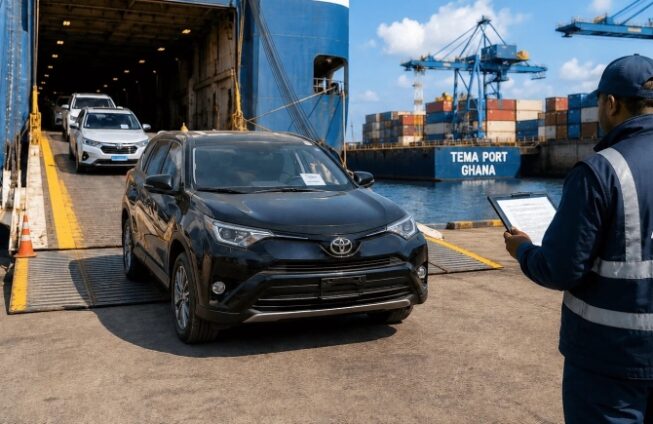
Importing a vehicle to Ghana from abroad can quickly turn into a bureaucratic nightmare, as one woman's recent experience starkly illustrates. After purchasing a car in the United States and arranging shipment to Tema Port in April 2026, she encountered weeks of delays, unclear communication, surprise charges and frustratingly slow clearance processes that left her unable to collect her vehicle despite paying all required duties.
The journey began simply enough. The car was picked up from her US residence on April 1, 2026, scheduled for delivery to Tema within approximately two months. However, problems emerged almost immediately. The shipper failed to provide a tracking number, making it impossible to monitor the cargo's progress. When notification finally arrived in early July that the vessel had reached Tema, the real complications began.
Communication breakdowns and shifting information
Contact with the shipper's Ghana-based agent proved frustratingly difficult. An initial representative claimed the car model listed did not match their records—a discrepancy that took three days to resolve. Even after this confirmation, obtaining the agent's contact details required multiple follow-ups. When she finally connected with "Emma," the clearing agent, on July 10, she received an optimistic assurance: clearance within one week if payment was ready.
That timeline quickly evaporated. Beyond standard duty payments, unexpected charges emerged—container fees and demurrage costs. Most strikingly, the agent claimed demurrage was owed despite the ship having only just arrived. Later investigation revealed the vessel had actually docked on May 20, 2026, more than six weeks before the owner was notified. This massive delay in communication significantly increased port storage charges, yet responsibility for these fees remained unclear and disputed.
Hidden costs and payment confusion
The financial aspect became increasingly opaque. Bill of Entry documents arrived late on a Friday evening without accompanying explanation or payment instructions. Invoice details trickled in over subsequent days—sent, notably, on a Sunday—creating confusion about total costs and payment deadlines. Multiple bank trips were required as additional Customs fees emerged after initial duty payment. Throughout this process, the agent remained largely unresponsive to direct questions about timelines and requirements.
Even after all payments were submitted with evidence of transfer, collection remained impossible. The agent cited incomplete paperwork corrections in the system, leading to two failed collection attempts by hired drivers. The owner ultimately left Ghana without her vehicle, deeply frustrated that months of effort and significant expense had not secured release of her own property.
What this means for Ghanaians importing vehicles
This experience highlights systemic challenges that many Ghanaians face when importing vehicles: poor coordination between shipping companies and port authorities, inconsistent communication timelines, unexpected additional charges, and slow administrative processing. The six-week gap between arrival and notification directly demonstrates how delays compound storage costs unfairly borne by importers. The lack of transparency around total expenses—with charges revealed incrementally rather than upfront—makes budgeting virtually impossible.
For those considering vehicle imports, this account serves as a cautionary tale. Key vulnerabilities include inadequate shipper accountability, unclear responsibility for demurrage charges, administrative bottlenecks in document processing, and agent unresponsiveness. Proper documentation of all communications, as this woman wisely did, becomes essential protection in disputes.
The broader issue suggests Tema Port's clearance systems may need modernisation to provide real-time tracking, upfront cost disclosure, faster administrative processing, and clearer communication protocols. Until such improvements materialise, importing vehicles to Ghana will remain a time-consuming, financially unpredictable and frustratingly opaque process.
Source: The Ghana Report




Comments (0)
Be the first to comment.