Road Minister Tightens Contractor Accountability: Payment Deductions Loom for Poor Schedule Compliance
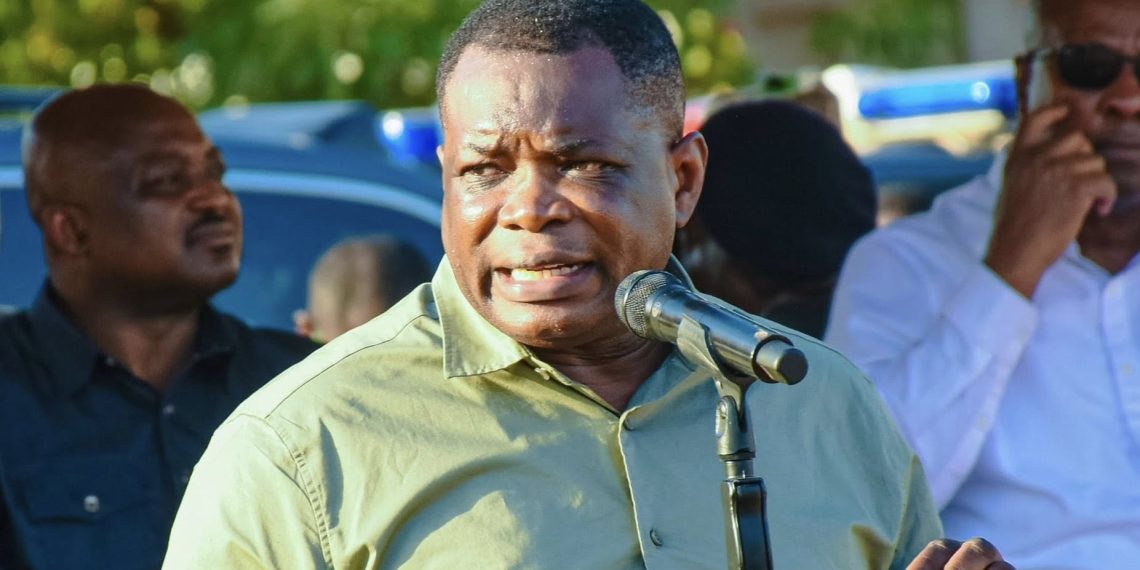
Ghana's Road and Highways Minister Kwame Governs Agbodza has escalated pressure on contractors undertaking major road projects across the country, announcing that those failing to submit detailed work schedules or demonstrate adequate progress will face financial penalties through payment deductions.
The warning, issued during an inspection tour of road projects in the Eastern, Volta and Oti Regions on Wednesday, signals a stricter enforcement approach to project delivery and fiscal accountability. The Minister stressed that contractors must provide comprehensive technical work programmes detailing project stages, timelines and performance targets—and that government payments will only be released for completed work verified by the Ministry.
Payment Tied Directly to Demonstrated Progress
Under the new enforcement regime, contractors falling behind schedule or showing inadequate on-site progress face immediate financial consequences. "If we keep coming to your site and you are lagging because of presentation, we can actually deduct some money from you because it means that we have given you money to do something and you didn't do it," Agbodza explained.
The approach reflects a shift in how government monitors and finances road infrastructure. Rather than releasing funds based on contract terms alone, the Ministry will now condition payments on certified completion of specific milestones. Contractors whose performance improves and who meet project requirements will have their work assessed for normal payment, while those consistently underperforming will see reductions applied.
This dual-track system—rewarding compliance whilst penalising delays—aims to incentivise faster delivery whilst protecting public resources. The Minister indicated that contractors demonstrating strong presentation and delivery standards could avoid penalties, creating a performance-based payment model.
Why It Matters for Ghana
Road infrastructure is fundamental to Ghana's economic development, connecting regions, enabling commerce and facilitating social services. However, chronic project delays and cost overruns have historically plagued major road programmes, frustrating businesses, commuters and taxpayers alike.
The Minister's enforcement push addresses a longstanding governance challenge: ensuring contractors deliver projects on time whilst public funds are spent efficiently. With government facing budget pressures, tying payments to verified progress reduces the risk of paying for incomplete work or funding projects that stall indefinitely.
For contractors, the announcement signals tighter supervision during this nationwide inspection tour. The Eastern, Volta and Oti Regions—focus areas of this latest cycle—are home to critical road networks linking communities and supporting regional economies. The crackdown could accelerate delivery in these zones, though contractors may also face cash flow pressures if payment schedules tighten.
For ordinary Ghanaians, stricter contractor accountability could mean faster road completions and better value for taxpayers' money—though implementation will depend on the Ministry's capacity to certify work fairly and process payments promptly.
Implementation and Next Steps
The Minister's position follows a nationwide inspection tour, suggesting the Ministry is gathering on-the-ground data on project status. Contractors will need to formalise their technical work programmes and align operations with approved schedules to avoid deductions.
The policy signals government's determination to improve project delivery standards across road infrastructure, linking contractor payments directly to measurable progress and certified work completion.
Source: Today GH




Comments (0)
Be the first to comment.