RAN-Africa demands transparency on Agenda 111 private partnerships, files RTI request
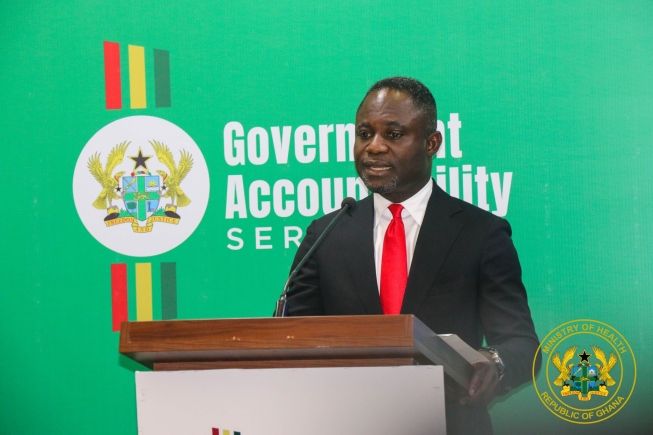
A prominent rights and accountability organisation has intensified calls for transparency around Ghana's flagship Agenda 111 hospital infrastructure project by filing a Right to Information (RTI) request demanding disclosure of all proposals and communications from private entities seeking to partner with government on the initiative.
RAN-Africa's move signals growing civil society pressure on the government to open its books on the controversial hospital construction programme, which has faced repeated criticism over delays, cost escalations and lack of public accountability since its launch.
What RAN-Africa is demanding
The organisation has formally requested copies of all proposals, expressions of interest, letters, correspondence and communications submitted by any private sector entities interested in partnering with the Government of Ghana on Agenda 111. The request seeks to illuminate the nature and scope of private involvement in what was originally conceived as a publicly-funded health infrastructure expansion.
By filing under Ghana's Right to Information legislation, RAN-Africa is leveraging legal mechanisms available to citizens and organisations to compel disclosure of government records. This approach reflects frustration with the government's voluntary transparency on the project, which has been minimal.
Why it matters for Ghana
Agenda 111 represents one of Ghana's most ambitious recent infrastructure commitments—a plan to construct 111 hospitals across all districts and regions. However, the project has drawn scrutiny over project management, implementation timelines and whether public funds are being deployed efficiently. The involvement of private entities raises additional questions around procurement processes, potential conflicts of interest and whether taxpayer money is being adequately safeguarded.
Ghana's public has a legitimate stake in understanding how private partnerships are negotiated and what terms are being offered. Citizens and civil society groups like RAN-Africa play a critical watchdog role in ensuring government operates transparently and that public resources are managed in the national interest rather than favouring connected private interests.
RTI requests are a fundamental democratic tool; Ghana's legislation provides a legal framework for accessing government information, though compliance remains inconsistent across agencies. RAN-Africa's action underscores the importance of using these mechanisms to hold government accountable on major national projects.
The broader context
Agenda 111 was launched as a centrepiece health sector initiative but has faced persistent questions about realistic timelines and actual completion rates. Private sector participation in health infrastructure is not inherently problematic—many countries leverage private expertise and capital—but transparency in how those partnerships are structured, awarded and monitored is essential to public confidence.
Civil society organisations including media outlets and rights groups have repeatedly called for clearer information on project status, budgets and private contractor involvement. RAN-Africa's RTI filing is the latest formal demand for disclosure that the government will be legally required to address.
The request reflects a pattern of accountability activism that Ghanaians expect from civic institutions. Whether the government responds fully and timeously will be a test of its commitment to the transparency principles it frequently espouses.
Source: 3News



Comments (0)
Be the first to comment.