Prof. Elsie Effah Kaufmann Challenges Marriage Pressure: Women Must Define Their Own Path
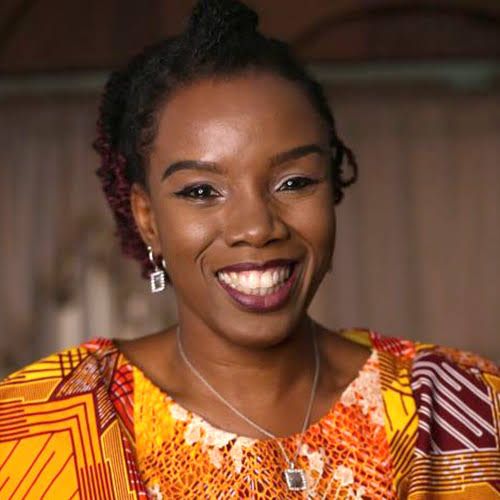
Prof. Elsie Effah Kaufmann, the celebrated Quiz Mistress of the National Science and Maths Quiz (NSMQ), has sparked an important conversation about women's autonomy by challenging the deeply entrenched cultural narrative that frames marriage and motherhood as compulsory milestones for female fulfilment. In her candid advice, the respected academic emphasises that these life choices remain deeply personal decisions rather than universal requirements.
The statement comes at a time when many Ghanaian women, particularly young graduates and professionals, continue to face relentless social pressure from family members, peers, and community structures that measure a woman's success primarily through her marital status and ability to bear children. Prof. Kaufmann's remarks provide a counterweight to these expectations, validating alternative life paths that centre on personal peace, professional achievement, and meaningful contribution to society.
A Voice Against Societal Pressure
Throughout her distinguished career as an educator, quiz facilitator, and public figure, Prof. Kaufmann has demonstrated the immense impact women can achieve outside of traditional family frameworks. Her advice to young girls emphasises that peace of mind and personal legacy—measured through career accomplishments, mentorship, intellectual contributions, and community impact—should take precedence over conforming to timelines dictated by society.
This message resonates particularly strongly in Ghana, where cultural traditions and family expectations often position marriage and childbearing as non-negotiable paths to respectability. Women who remain single or childless by choice frequently encounter judgement, unsolicited advice, and concerns about their emotional wellbeing or social standing. Prof. Kaufmann's intervention directly challenges this narrative.
Why It Matters for Ghana
Ghana's society is witnessing gradual shifts in women's roles, with increasing numbers of women pursuing higher education, establishing successful careers, and delaying or forgoing marriage entirely. However, institutional and familial structures have been slower to adapt, leaving many accomplished women navigating conflicting expectations between professional ambitions and traditional roles.
Prof. Kaufmann's prominence—as a respected educator, intellectual, and media personality—gives her comments significant weight. Her public affirmation that women need not pursue marriage validates the lived experiences of many Ghanaian women while opening space for younger generations to envision diverse futures without guilt or shame. This is particularly important for girls entering secondary and tertiary education who may feel torn between academic and career aspirations versus early marriage prospects.
Moreover, this conversation aligns with broader human rights and gender equality frameworks that Ghana has committed to internationally. The right to choose one's life path without coercion is fundamental, yet cultural and economic pressures often undermine this freedom in practice.
Building a More Inclusive Future
By normalising the idea that women can lead fulfilling, purposeful lives outside marriage, figures like Prof. Kaufmann help reshape cultural narratives without necessarily rejecting tradition or dismissing those who choose marriage. The emphasis is on choice—allowing women to make decisions based on their own values, capabilities, and aspirations rather than external obligation.
Her message also implicitly acknowledges that not every woman possesses the desire for marriage or motherhood, and that institutional support systems should evolve to accommodate diverse life choices, from single women to childless couples to unconventional family structures.
As Ghana continues its development journey, empowering women to define success on their own terms—whether through professional excellence, creative endeavours, community leadership, or any combination thereof—strengthens society overall. Prof. Elsie Effah Kaufmann's candid remarks serve as a reminder that true gender equality includes the freedom to choose a life path unmarked by marriage or motherhood.
Source: 3News
Comments (0)
Be the first to comment.