Private Schools Push for End to WAEC Monopoly, Call for Competition in Ghana's Exam System
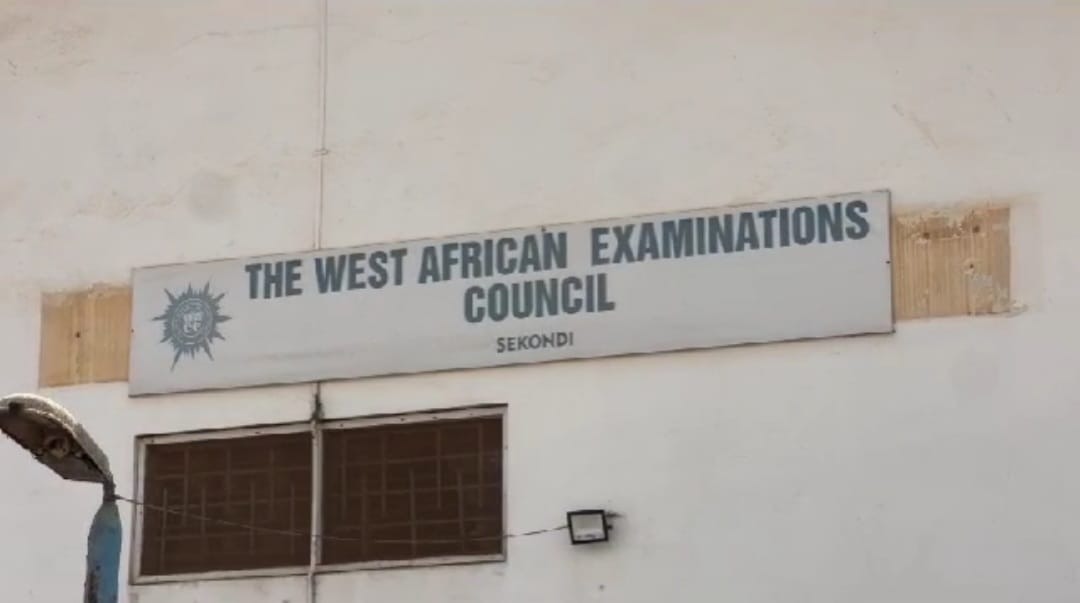
Ghana's private school sector is escalating calls for a radical overhaul of the nation's examination system, with the Ghana National Association of Private Schools (GNACOPS) demanding an end to the West African Examinations Council's seven-decade grip on public assessments. The push marks a significant challenge to an institution that has shaped educational outcomes for generations of Ghanaian students.
In a petition submitted to the Ministry of Education on 7 August, GNACOPS argues that introducing competing examination bodies would inject transparency, accountability and quality improvements into Ghana's assessment framework. The timing of the submission, following concerns about the 2026 Basic Education Certificate Examination (BECE) provisional results, underscores growing frustration with the status quo.
The Case for Competition
Obenfo Nana Kwasi Gyetuah, GNACOPS Executive Director, contends that WAEC's monopoly has become untenable after 74 years of unchanged dominance. He points to Nigeria as a model, where multiple examination bodies operate side by side, creating accountability through competition rather than institutional inertia.
"Monopolies weaken accountability because a single institution faces limited competitive pressure," Gyetuah argues. He draws parallels with Ghana's media landscape, where competition among news outlets has strengthened public debate and institutional scrutiny. If this principle works for media freedom, he suggests, it should apply equally to education systems where stakes are arguably higher.
Beyond the broader monopoly issue, GNACOPS is targeting WAEC's Stanine grading model for replacement. The Stanine system, which places students into nine ranked categories, creates confusion, according to Gyetuah. A criterion-referenced approach—where specific score ranges automatically yield defined grades—would make results clearer and easier to defend publicly.
Under the proposed system, transparency would improve dramatically: a student achieving 75–80 per cent, for instance, would know instantly that they have earned a particular grade rather than waiting for a standardised scale to convert their score into a rank position.
Why This Matters for Ghana
The demand for exam system competition reflects deeper anxieties about Ghana's education quality and public confidence. Examination leakages and recurring result controversies have eroded trust in WAEC's processes, even as the council remains the sole arbiter of basic education standards across the country.
The broader context is important: Ghana has embarked on substantial reforms in education policy, curriculum design and school infrastructure in recent years. Yet the examination system—arguably the most visible and consequential component for students, families and employers—remains largely unchanged since the mid-20th century. GNACOPS is asking a straightforward question: why should assessment be exempted from the modernisation affecting every other educational domain?
Introducing alternative examination bodies would likely trigger operational challenges. Questions would arise about standards harmonisation, recognition across West Africa, and whether schools and universities would accept multiple qualification frameworks. However, these are solvable problems, not insurmountable obstacles. Several African nations have managed plural examination systems successfully.
For Ghanaian families and students, the implications are significant. Competition could lower examination fees, reduce processing delays, and force all providers to maintain high security standards and transparent grading. It could also create pathways for innovation—perhaps through digital assessment or continuous evaluation methods that some examination bodies might pioneer.
The Road Ahead
Whether the Ministry of Education acts on GNACOPS's petition remains uncertain. WAEC carries institutional weight and regional significance as a West African body. Any reform would require legislative action, stakeholder buy-in, and careful planning to avoid disrupting student cohorts mid-system.
However, the force behind the private schools' campaign suggests this debate will not disappear quietly. As Ghana continues modernising its public institutions and economy, the question of whether examination systems should evolve in tandem is increasingly difficult to ignore.
Source: The Ghana Report




Comments (0)
Be the first to comment.