
Ghana's AI education push risks deepening inequality without proper safeguards, KNUST lecturer warns
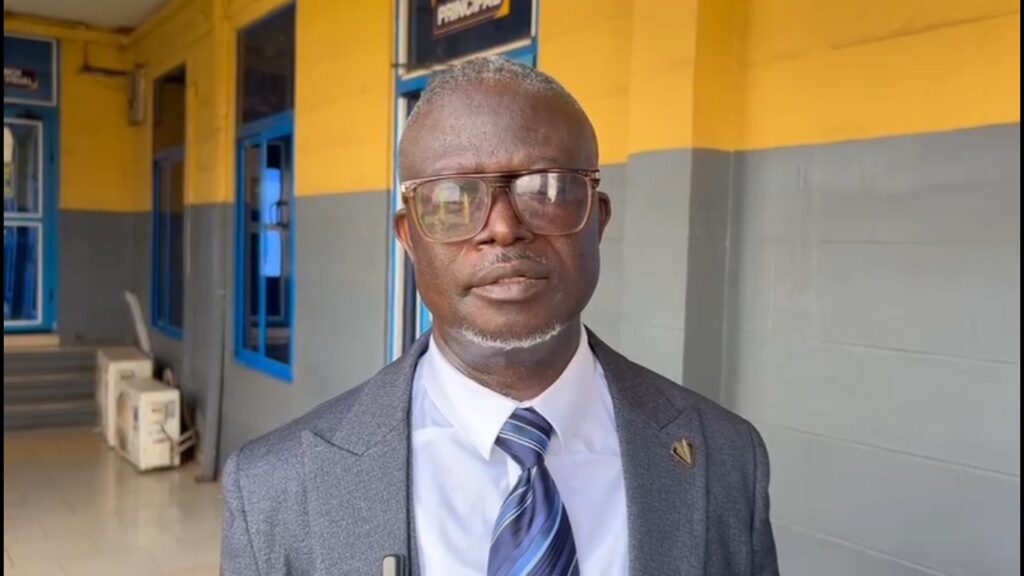

Ghana's enthusiasm for integrating artificial intelligence into education must be tempered by realistic assessment of the nation's actual classroom conditions and teacher preparedness, according to a senior academic at Kwame Nkrumah University of Science and Technology (KNUST).
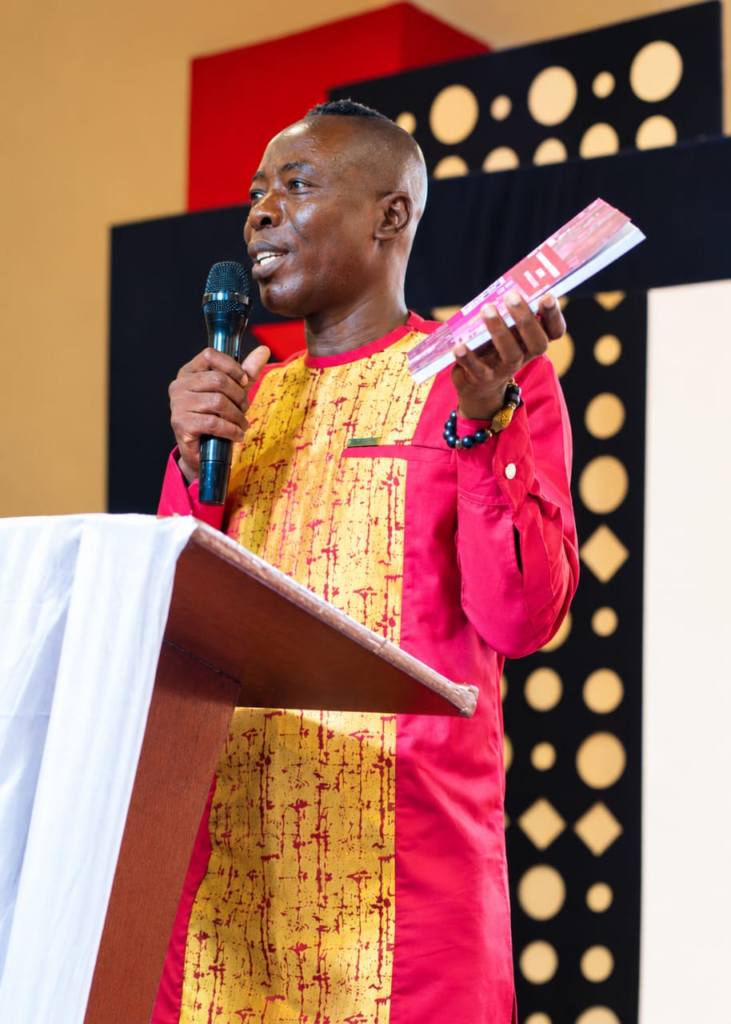
Prof. Eric Appau Asante, Coordinator of AI Courses at KNUST, delivered this warning at Wesley College of Education's 17th Congregation, arguing that access to AI technology alone will not solve Ghana's education challenges. His intervention comes as policymakers increasingly look to digital solutions to transform teaching and learning across the country.
The core problem: Technology without infrastructure
Prof. Asante's central concern is that Ghana risks installing sophisticated AI systems in schools whilst fundamental infrastructure remains broken. "AI cannot repair a classroom roof, provide electricity where none exists or replace a teacher who has not been recruited," he said, highlighting the disconnect between technological ambition and educational reality.
He pointed out that without proper national and institutional guidelines, poorly regulated AI could become embedded in teaching practices, creating new problems rather than solving existing ones. More troubling still, he warned, is the risk that AI integration could worsen educational inequality if well-resourced urban schools gain disproportionate benefits whilst rural institutions with limited resources fall further behind.
Prof. Asante called for AI-generated educational content to be designed specifically for Ghana's context, incorporating the national curriculum, local languages, and cultural experiences. This localisation requirement is essential, he argued, because off-the-shelf AI systems developed elsewhere may not serve Ghanaian learners effectively.
Why it matters for Ghana
Ghana's education system faces persistent challenges: teacher shortages, inadequate school infrastructure, limited learning materials, and unequal access to quality education between urban and rural areas. The temptation to use AI as a shortcut to educational transformation is understandable but dangerous.
The European Union's experience provides a cautionary tale. The EU's AI Act classifies certain educational AI applications—including admissions systems, assessment tools, and placement algorithms—as high-risk because errors and bias can permanently affect students' futures. Ghana must learn from these lessons before deploying similar systems at scale.
For Ghana, the stakes are particularly high. Introducing AI-powered assessment tools without rigorous testing could systematically disadvantage students in schools lacking reliable internet, electricity, or teacher training. What appears as progress could entrench existing inequalities.
Building genuine AI readiness
Prof. Asante advocated for a fundamental shift in approach: making AI literacy an essential, ongoing component of teacher education rather than occasional training workshops. Teachers, he emphasised, must be trained to use modern tools whilst maintaining educational judgement—not to become slaves to technology.
He challenged colleges of education, the Ghana Tertiary Education Commission, the National Teaching Council, curriculum authorities, and policymakers to work together on this agenda. "Let us train teachers who can use modern tools without surrendering educational judgement," he said.
The measure of success, Prof. Asante argued, should not be the number of AI tools introduced but improvements in learners' actual opportunities and outcomes. "A nation that equips its classrooms with AI but neglects its teachers is not transforming education; it is merely digitising its weaknesses," he concluded.
Dr. Kennedy Ameyaw Baah, Principal of Wesley College of Education, acknowledged the need for innovation but emphasised that the human element remains central. Teachers must harness AI's potential to benefit learners and prepare them for a globalised world, he said, whilst maintaining their core role as educators.
Source: MyJoyOnline


Comments (0)
Be the first to comment.