Power cuts and weak internet stall AI healthcare revolution in Ghana's rural clinics

Ghana's rural healthcare system faces a critical barrier to embracing artificial intelligence technology: unreliable electricity and internet connectivity that make it impossible for AI diagnostic tools to function effectively in remote clinics.
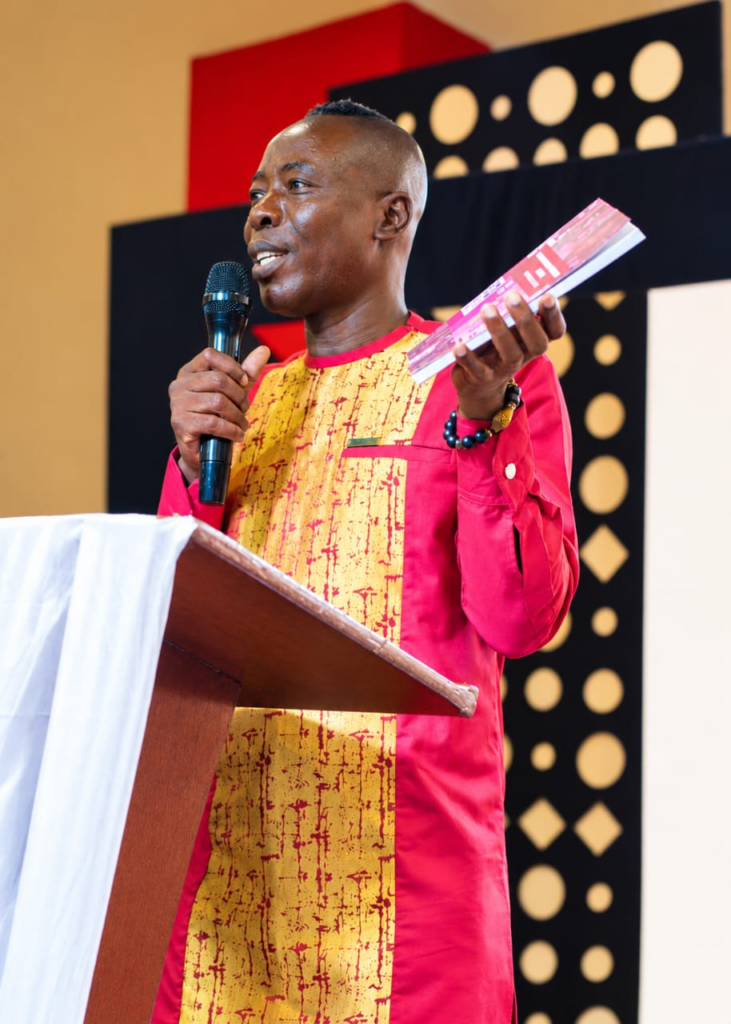
The challenge was highlighted recently by Professor Jerry John Kponyo, Principal Investigator of the Responsible Artificial Intelligence Lab (RAIL) at the Kwame Nkrumah University of Science and Technology (KNUST), during an international conference on healthcare AI held at the University of Health and Allied Sciences in Ho. The three-day gathering brought together researchers, policymakers and health professionals to explore how Ghana can accelerate the adoption of AI in healthcare, moving from policy discussions to real-world implementation.
Multiple obstacles to AI integration
Beyond infrastructure challenges, Prof. Kponyo identified several other significant barriers blocking AI's entry into Ghana's healthcare ecosystem. Algorithmic bias emerged as a critical concern—many diagnostic AI tools currently in use were trained on datasets from foreign populations, meaning they fail to recognise the genetic variations and lifestyle factors that characterise Ghanaian communities. This mismatch creates a real risk of misdiagnosis when these tools are deployed in local settings without proper adaptation.
Trust and cultural acceptance also pose obstacles. Healthcare workers and patients in many communities remain sceptical about AI-driven medical decisions, fearing job losses in the health sector and distrusting systems that cannot explain their reasoning. When an AI tool recommends a diagnosis or treatment without transparency, medical professionals struggle to validate its logic or override it when necessary—a situation that undermines confidence.
Data security and fragmentation compound the problem. Most Ghanaian health facilities maintain paper records or incompatible digital systems that cannot communicate with each other. This fragmentation makes it nearly impossible to train AI models on comprehensive local health data, whilst simultaneously creating dangerous vulnerabilities around patient privacy and data protection.
Why it matters for Ghana
Healthcare AI, when properly implemented, has potential to transform rural medicine in Ghana. AI diagnostic tools could help detect diseases earlier, reduce diagnostic errors, and extend specialist expertise to communities without direct access to doctors. However, without addressing the foundational challenges Prof. Kponyo outlined, Ghana risks either missing this opportunity entirely or deploying AI systems that perform poorly in local contexts.
The professor emphasised that responsible AI in healthcare means creating tools that support—not replace—medical professionals. These systems must be transparent enough that doctors understand and can challenge their recommendations, fair enough to work accurately across Ghana's diverse populations, and secure enough to protect sensitive patient information. Effective governance frameworks are essential to ensure every Ghanaian, whether in Accra or a remote village, receives the same quality of care.
For Ghana to successfully integrate healthcare AI, the government and healthcare sector must simultaneously invest in rural electricity infrastructure, strengthen internet connectivity in remote areas, develop local AI training datasets that reflect Ghanaian health profiles, establish clear clinical protocols for AI use, and build robust data protection systems. Without addressing these interconnected challenges, expensive AI tools will gather dust in clinics that lack power to run them.
Source: MyJoyOnline



Comments (0)
Be the first to comment.