
Poultry Farmers' Association Slams Government Over Feed Ghana Policy Snub
Ghana's largest poultry farmers' association has publicly criticised the government for shutting it out of the policy development process for the Feed Ghana Programme, a key initiative aimed at boosting domestic poultry production. The Greater Accra Poultry Farmers Association (GAPFA), led by Chief Executive Officer Ali Muhammed, says it only discovered the programme was being implemented after the policy had already been finalised.
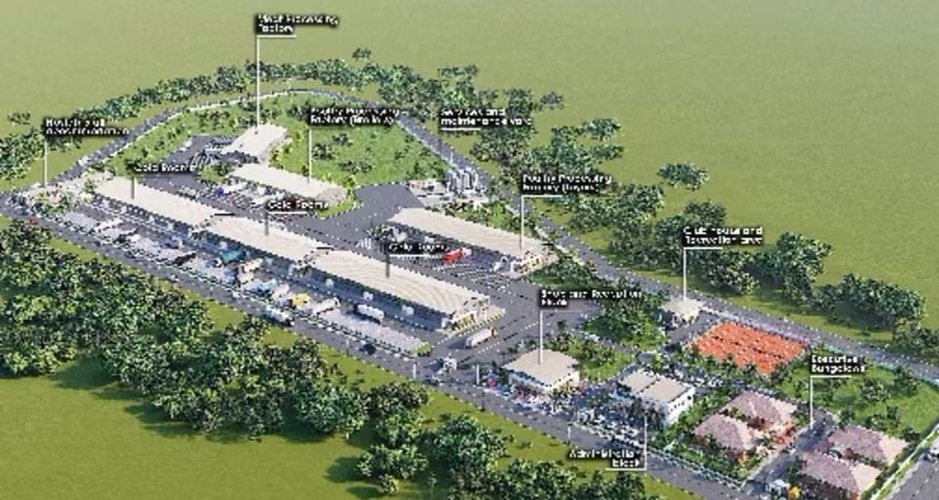
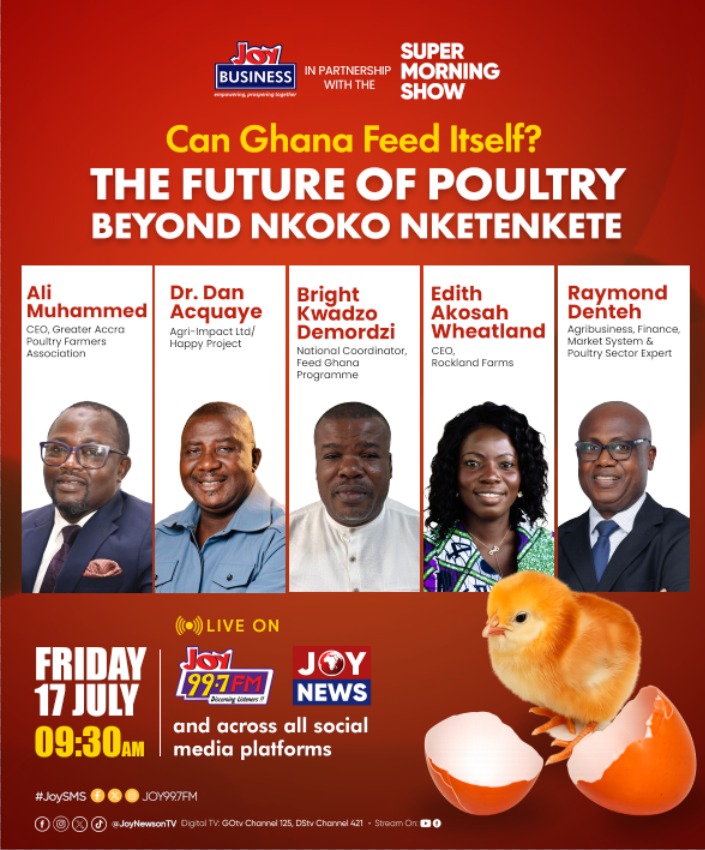
Speaking at a Joy Business roundtable forum examining Ghana's capacity to achieve food self-sufficiency in poultry, Mr Muhammed expressed frustration over what he characterised as a significant oversight. GAPFA, which operates the country's only poultry farmers' association-owned feed mill plant and employs hundreds of workers, says it made multiple formal attempts to engage with the Feed Ghana Programme Secretariat and offer technical input but was rebuffed.
"I sent a letter to the National Coordinator's office and visited on three separate occasions requesting the opportunity to contribute to policy development," Mr Muhammed stated. "We were never given that chance, and we never saw the policy document before implementation began."
Expertise Left on the Sidelines
The GAPFA chief argued that the association's exclusion represents a missed opportunity to strengthen government policy with practical industry knowledge. Beyond poultry farming itself, GAPFA's feed production capacity and decades of operational experience in Ghana's poultry sector position it uniquely to advise on implementation challenges and opportunities.
"As the biggest poultry farmers' association in the country and the only one operating a feed mill plant, our input could have been invaluable," he said. "We understand the real bottlenecks in our industry—supply chains, feed costs, production standards—but we were never consulted."
Mr Muhammed stressed that this pattern of excluding key stakeholders from policy design sets a concerning precedent for how the government engages with industry leaders on development initiatives. He has formally requested that GAPFA's exclusion be documented as a matter of record.
Why It Matters for Ghana's Food Security
Ghana currently imports approximately 87 per cent of its chicken consumption—a staggering dependency that drains foreign exchange and leaves the nation vulnerable to global supply shocks. The country consumes roughly 452,100 tonnes of chicken annually but produces only about 60,000 tonnes domestically. Bridging this gap would require raising an estimated 226 million birds yearly, roughly 7.5 times current domestic production levels of approximately 30 million birds.
The Feed Ghana Programme is positioned as a cornerstone strategy to address this imbalance by increasing local production capacity. However, GAPFA's exclusion raises questions about whether the policy was developed with sufficient input from practitioners who understand the sector's real constraints. Poor policy design at inception can translate into implementation failures, missed targets, and wasted government resources.
For Ghana's broader food security and agricultural transformation agenda, the controversy underscores the importance of genuine stakeholder engagement. Industry associations like GAPFA hold invaluable data on production costs, technical standards, and market dynamics that should inform government strategy. Excluding such voices may result in policies that look good on paper but fail to address ground-level realities.
The government has yet to publicly respond to GAPFA's allegations of exclusion, and it remains unclear whether the Feed Ghana Programme Secretariat will revisit the policy framework to incorporate association input or defend its consultation process.
Source: MyJoyOnline

Comments (0)
Be the first to comment.