Poor Sanitation Costing Ghana Billions Annually, ISSER Urges Major Budget Increase
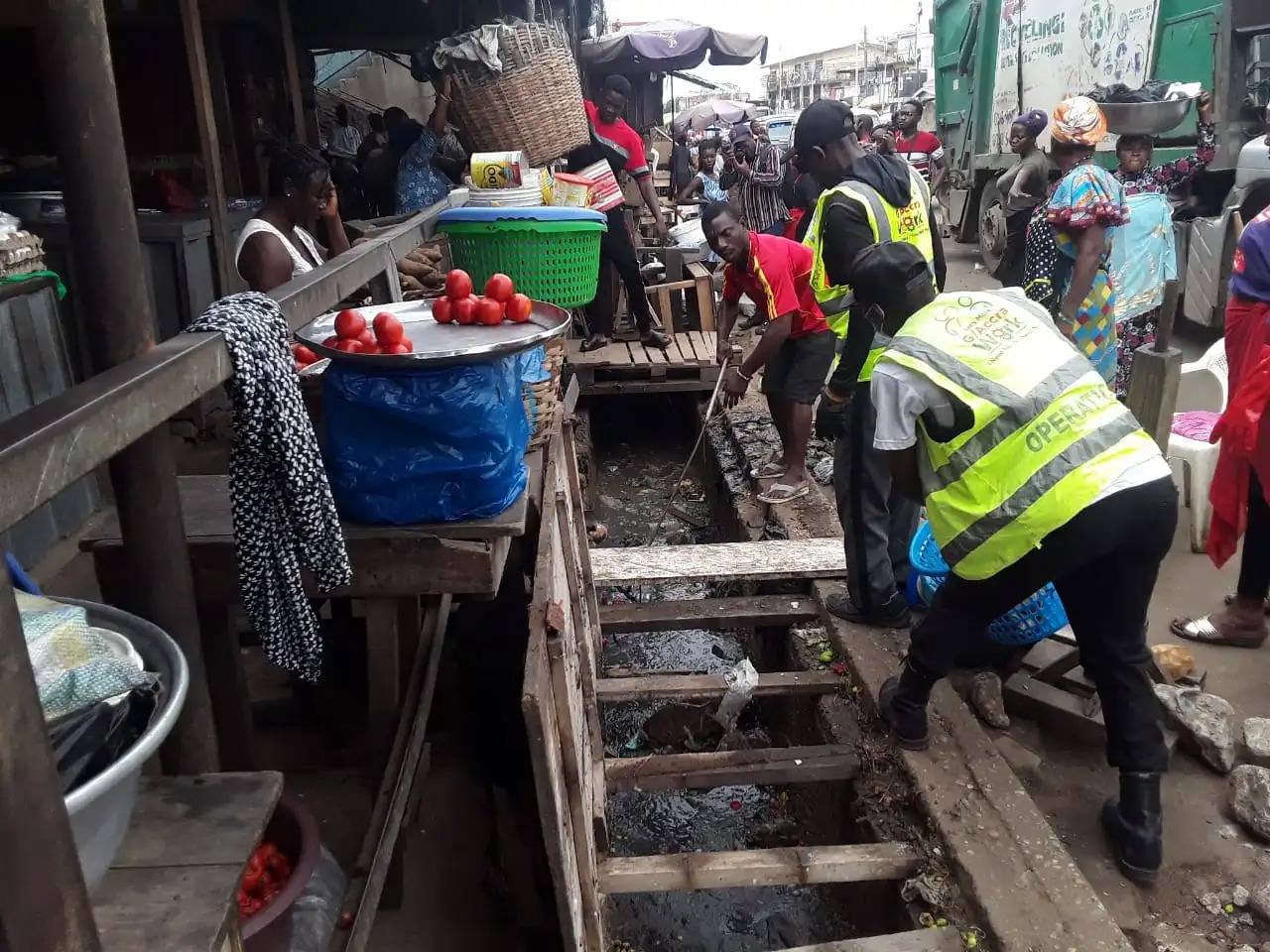
ISSER Report Highlights Sanitation Crisis
The Institute of Statistical, Social and Economic Research (ISSER) has released a damning policy brief warning that Ghana's inadequate investment in sanitation and waste management is draining the economy of billions of cedis annually through preventable health costs and reduced worker productivity. The report, titled "Waste or Wealth? The Economic Returns to Sanitation Investment in Ghana", argues that policymakers must shift their approach to viewing sanitation as a strategic long-term investment rather than a routine expense.
According to ISSER, Ghana's current spending on waste management falls significantly below that of comparable lower-middle-income countries. The institute calls for substantially increased budget allocations to sewerage systems, drainage infrastructure, and environmental health programmes, emphasising that the financial damage caused by poor sanitation far exceeds present investment levels.
Priority Areas and Targeted Investment
ISSER recommends that government prioritise funding for densely populated urban areas, flood-prone regions, and underserved peri-urban settlements where sanitation problems pose the greatest risks to public health. Enhanced investment in these communities would reduce disease outbreaks, lower mortality rates, and protect vulnerable populations. The research institute also emphasises that Metropolitan, Municipal and District Assemblies (MMDAs) require increased financial resources to effectively manage sanitation challenges.
Infrastructure and Regulation Reforms
The report calls for substantial investment in critical infrastructure, including household and public toilets, faecal sludge treatment facilities, effective stormwater drainage networks, and organised solid waste collection services. Such facilities would eliminate breeding grounds for disease-carrying organisms, reducing cases of preventable illnesses such as malaria, cholera, and typhoid. ISSER also urges strengthened regulation of informal waste collectors, recommending that municipal assemblies encourage informal operators—including tricycle waste collectors—to enrol in health insurance schemes and undergo regular medical check-ups.
ISSER concludes that strategic, scaled-up investment in sanitation offers Ghana a high-yield opportunity to strengthen public health, boost economic productivity, support the circular economy, and accelerate progress towards sustainable development goals.
Source: The Ghana Report

Comments (0)
Be the first to comment.