
Police arrest three voters for photographing ballots at Wa Central NDC elections
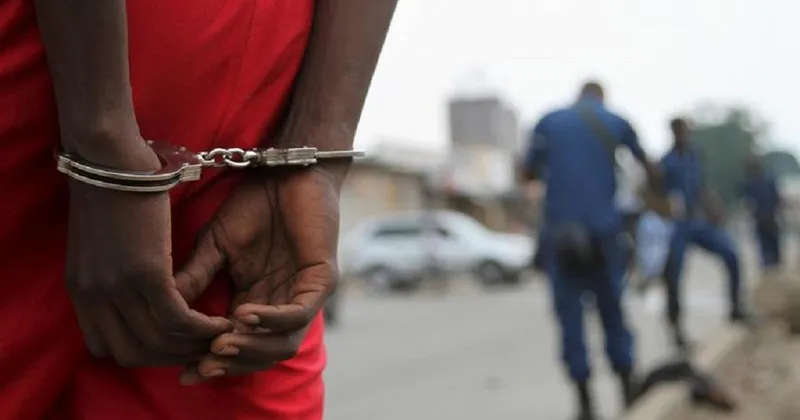

Police in the Upper West Region have arrested three persons for taking photographs of their ballots during the National Democratic Congress (NDC) primary elections held in Wa Central constituency. The arrests underscore ongoing efforts by electoral authorities to enforce ballot secrecy rules, a fundamental principle of democratic elections meant to prevent vote-buying, coercion and manipulation.
The incident occurred as voting progressed smoothly at the polling centre, with enhanced security measures in place throughout the election day. Electoral officials have consistently warned voters against documenting their ballot choices through photographs or video recordings, a practice that violates Ghana's electoral code and can compromise the integrity of the voting process.
Understanding ballot secrecy laws
Ballot secrecy is a cornerstone of democratic elections designed to protect voters from intimidation and ensure their voting decisions remain personal and confidential. Ghana's electoral framework prohibits the taking of photos or videos of completed ballots to prevent vote-trading schemes where voters could prove to third parties how they voted in exchange for money or favours.
The practice has become increasingly common in recent years with the prevalence of smartphones, prompting the Electoral Commission and law enforcement to intensify enforcement during primary elections and general elections alike. Violations can result in criminal charges, fines, or detention.
Why it matters for Ghana
This incident reflects broader concerns about maintaining electoral integrity as Ghana continues to strengthen its democratic institutions. Ballot secrecy violations, though seemingly minor, can undermine the principle that votes should be cast freely and independently, without fear of consequence or external pressure.
For political parties conducting internal primaries, protecting ballot secrecy is equally critical. The NDC's commitment to enforcing this rule during their primary processes sets an important precedent for maintaining credible internal party elections. As Ghana approaches future general elections, such incidents highlight the ongoing vigilance required to prevent electoral malpractices.
Security presence at polling centres during the Wa Central exercise appeared effective in deterring large-scale violations, though the arrests demonstrate that individual voters may still attempt to circumvent regulations. The swift police response signals that authorities are taking electoral compliance seriously.
What happens next
The three detained voters are likely to face charges related to violating electoral regulations. Depending on the severity of their actions and local prosecutorial discretion, they could face warnings, fines, or more serious legal consequences. The Electoral Commission typically works with police to ensure consistent enforcement of ballot secrecy rules across all polling stations.
Voters across Ghana should be aware that photographing ballots—whether during primary elections or general elections—is prohibited by law. This applies equally to taking selfies with marked ballots or having someone else photograph your completed ballot paper. Election observers and media representatives have specific exemptions in certain circumstances, but ordinary voters do not.
As the NDC continues its primary process across other constituencies, similar enforcement measures are expected. Both the NDC and the Electoral Commission have signalled their commitment to credible, transparent primary elections that reflect genuine grassroots preferences without irregularities.
Source: 3News




Comments (0)
Be the first to comment.