
Parliament's Economy Committee demands accountability from public institutions or face sanctions
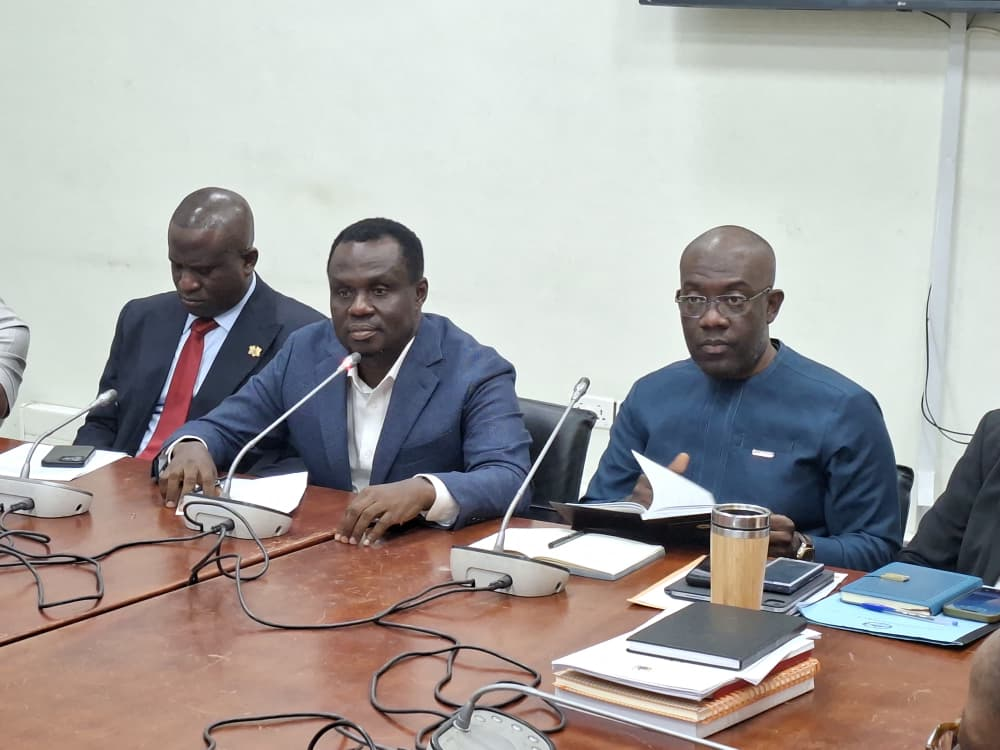
Ghana's Parliament has escalated pressure on public institutions to demonstrate accountability, with the Economy and Development Committee threatening sanctions against any ministry, department or agency that refuses to participate in the review of the 2025 Annual Progress Report.
The warning comes as the Committee intensifies efforts to assess how government bodies are performing, managing budgets and delivering services to citizens. Committee Chairman Eric Afful made clear that compliance is not optional, emphasising that all ministries, departments, agencies and local assemblies must cooperate fully or face consequences.
What the review covers
The 2025 Annual Progress Report review represents a comprehensive examination of Ghana's institutional performance across multiple sectors. The Committee will assess how well public bodies are addressing persistent challenges that the National Development Planning Commission has identified as obstacles to national progress.
These challenges include concerning levels of youth unemployment, inadequate maternal health outcomes and systemic weaknesses in public service delivery. The review will scrutinise how institutions are tackling these issues, analyse their budget utilisation and evaluate the effectiveness of measures being implemented to improve service delivery to ordinary Ghanaians.
Afful stressed that active participation by public institutions serves as tangible evidence of their commitment to core governance principles. He framed the exercise not merely as a bureaucratic requirement, but as a demonstration of whether public bodies genuinely prioritise accountability, transparency and responsible use of taxpayer resources.
Consequences for non-compliance
The Committee has made clear that excuses will not be accepted. Institutions that fail to honour invitations without valid reasons, or that refuse to provide required information, will be treated seriously by the Committee. Such behaviour will be viewed as inconsistent with the standards the government claims to uphold in its wider reset agenda.
Afful reminded public institutions that parliamentary committees possess constitutional authority to demand accountability and compliance from those they invite. Deliberate refusal to appear will result in consequences, though the specific nature of potential sanctions was not detailed in the warning.
Why it matters for Ghana
This Parliamentary action reflects growing concerns about institutional performance and the need for genuine accountability in Ghana's public sector. Despite economic gains recorded in recent years, the persistence of youth unemployment and weak public service delivery suggests that economic growth is not translating into improved living standards for all Ghanaians.
The Committee's determination to enforce compliance underscores frustration with institutions that may previously have ignored parliamentary oversight. For ordinary Ghanaians, this means greater scrutiny of how government money is spent and whether public institutions are delivering on their mandates.
The Committee's findings will help identify systemic weaknesses and inform policy reforms. More importantly, the exercise demonstrates that Parliament is willing to use its powers to demand accountability from the executive branch. This institutional tension, while sometimes uncomfortable, is necessary for healthy democratic governance and effective public administration in Ghana.
Source: MyJoyOnline




Comments (0)
Be the first to comment.