Parent Groups Back Plan to Teach Chinese and Arabic in Ghanaian Schools
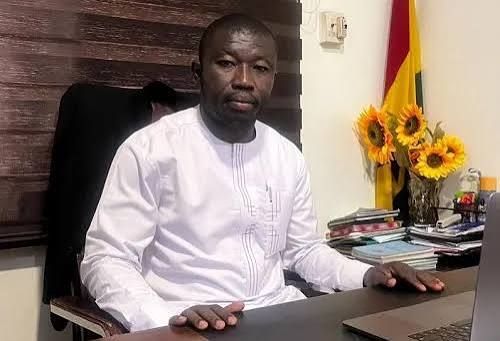
Ghana's National Council of Parent-Teacher Associations has thrown its weight behind efforts to introduce Chinese and Arabic language instruction in the country's schools, signalling growing support among parents and educators for expanded linguistic offerings in the education system.
The endorsement represents a significant backing from a major stakeholder group at a time when debate continues about how best to equip Ghanaian students with skills relevant to an increasingly globalised economy. The parent-teacher body's position underscores recognition that language proficiency beyond English and local Ghanaian languages could enhance students' competitiveness in international markets and improve educational opportunities.
Rationale Behind the Language Expansion
The push to include Chinese and Arabic reflects broader trends across Africa and globally, where educational institutions recognise the economic and diplomatic value of linguistic diversity. Chinese, spoken by over a billion people worldwide, has become increasingly important for business, technology and international relations. Arabic, similarly, opens doors across the Middle East, North Africa and beyond—regions with significant economic ties and cultural exchange potential.
For Ghana specifically, introducing these languages could prepare students for careers in international trade, diplomacy, tourism and technology sectors where such skills command premium value. Young Ghanaians learning Mandarin or Modern Standard Arabic would join a growing cohort of African professionals capable of engaging directly with Chinese and Arab-speaking partners without intermediaries.
The parent-teacher council's support suggests families see tangible benefits in these additions, viewing language education as investment in their children's future prospects rather than departure from traditional curricula.
Why This Matters for Ghana
Ghana's education system has long centred on English as the primary medium of instruction alongside local languages like Akan, Ewe and Ga. While English remains essential, the global landscape has shifted significantly. China has become a major investor and trading partner across Africa, including Ghana, whilst Middle Eastern nations engage increasingly with African governments and businesses. Students who can communicate directly in these languages gain distinct advantages.
The endorsement from parent-teacher associations also signals that the concept enjoys grassroots support among families who make daily decisions about their children's education. Their backing could prove influential as the Ministry of Education considers curriculum reforms and resource allocation.
However, implementation challenges remain. Ghana would need to train qualified teachers in both languages, develop appropriate teaching materials, and integrate these subjects meaningfully without overwhelming students or straining budgets. Questions about whether languages would be optional or mandatory, and at which educational levels they would be introduced, remain to be clarified.
The parent-teacher council's position sets a precedent: Ghanaian society recognises that preparing the next generation requires looking beyond traditional boundaries. If realised, these language programmes could position Ghana as a leader in multilingual education across West Africa, creating a generation of young Ghanaians better equipped for participation in the global economy.
Source: 3News



Comments (0)
Be the first to comment.