Oil Prices Tick Up as US-Iran Strikes Rattle Strait of Hormuz Shipping

Global oil prices edged higher on Monday as fresh military exchanges between the United States and Iran cast doubt over the stability of their interim peace agreement and once again disrupted crude shipments through the Strait of Hormuz — a critical chokepoint for world energy supply.
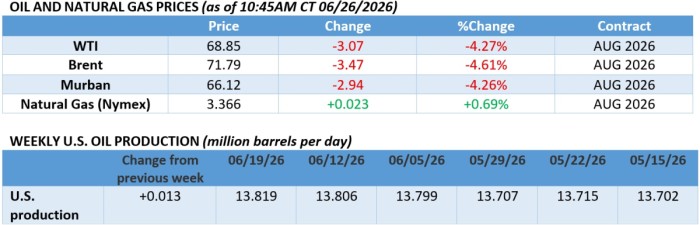
Brent crude futures rose by 58 cents, or 0.8%, to $72.57 per barrel in early trading, whilst US West Texas Intermediate climbed 88 cents, or 1.3%, to $70.11 a barrel. The uptick follows a sharp 10.6% drop in Brent prices last week — its third consecutive weekly decline — after crude flows through the strait had briefly recovered to their highest levels since the US-Israeli military campaign against Iran began in late February.
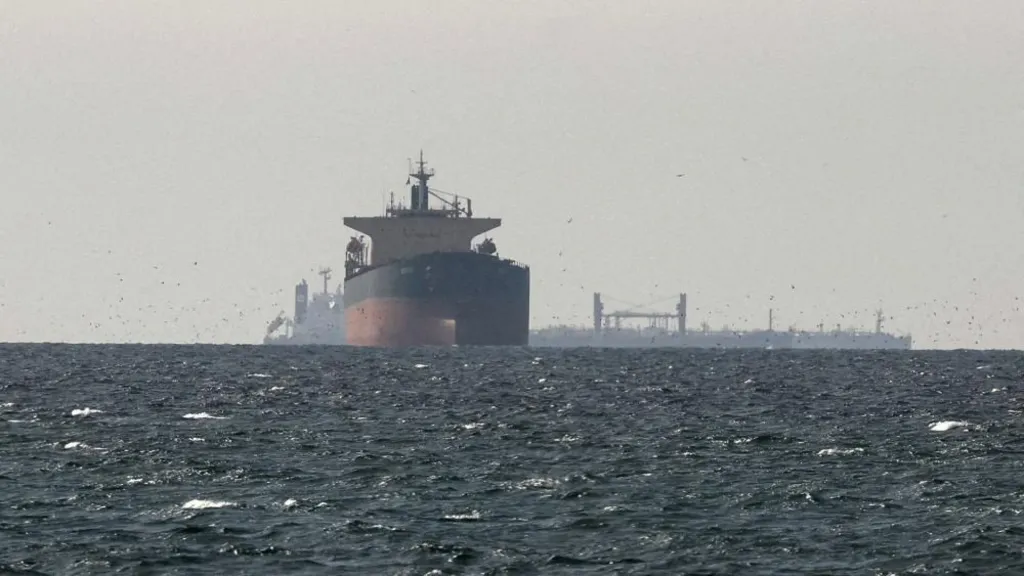
However, that recovery proved short-lived. Renewed attacks on vessels in the strait from Thursday — including an incident involving a Qatar-linked oil tanker — triggered retaliatory strikes from both Washington and Tehran, marking the most serious escalation since the two sides signed their interim ceasefire arrangement.
Analysts Warn of Prolonged Supply Disruption
Analysts at ING cautioned that market participants appeared to be underestimating the ongoing risks, describing the current mood as "complacency" that "clearly leaves significant upside risk if the supply recovery proves slow." ANZ analysts echoed those concerns, warning that "physical flows are constrained by tanker backlogs, damaged infrastructure and production shut-ins," adding it could take until the end of the year before supply approaches pre-conflict levels.
In a partial sign of stabilisation, Saudi Arabian oil giant Aramco resumed crude loadings at its Ras Tanura terminal on Friday after a near four-month halt. Operations continued even after a company helicopter crashed at the facility on Sunday, killing 14 people. The cause of the crash remains unknown. Separately, Iran and the US agreed on Sunday to pause hostilities and resume negotiations over the Strait of Hormuz dispute, offering some restraint on further price gains.
For Ghana, which imports refined petroleum products and whose economy remains sensitive to global crude price movements, sustained disruptions to Gulf oil flows could translate into upward pressure on fuel prices at the pump and broader inflationary risks in the months ahead.
Source: MyJoyOnline


Comments (0)
Be the first to comment.