Oil Prices Slide 10% as Hormuz Strait Shows Signs of Recovery — What It Means for Ghana
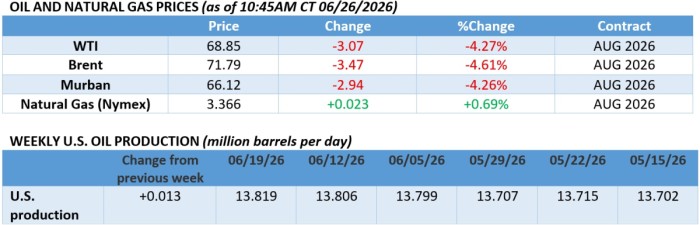
Global crude oil prices have fallen sharply this week, with Brent crude losing roughly 10% of its value to close around $72 per barrel — the same price level seen before the United States launched strikes on Iran in late February. The sell-off reflects growing market confidence that disruptions to oil shipments through the strategically vital Strait of Hormuz are beginning to ease, with commodity traders pricing in a gradual return to normal transit volumes.
Hormuz Flows Picking Up, But Tensions Remain
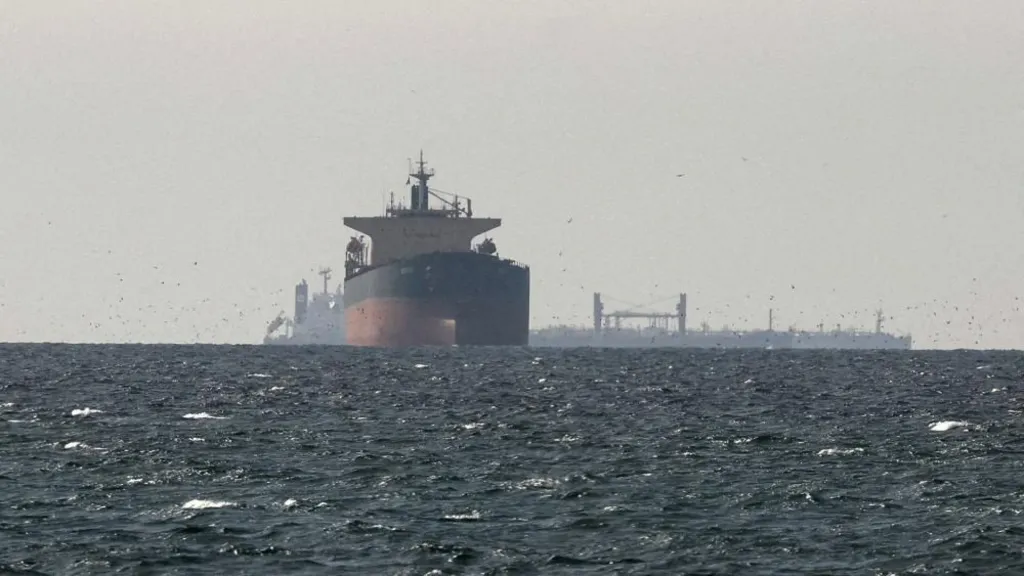
Ship movements through the Strait of Hormuz have risen to their highest weekly level since the onset of the US-Iran conflict, with more than 16 million barrels passing through the waterway in a single two-day stretch this week. However, the situation remains fragile. Iran's Islamic Revolutionary Guard reportedly launched drone strikes against a Taiwan-owned cargo vessel, the Ever Lovely, which was allegedly attempting to cross the strait via an unauthorised route. The vessel sustained damage to its bridge approximately seven miles off the Omani coast, serving as a reminder that full normalisation has not yet been achieved.
West African Oil Grades Hit Hard
The price slump has dealt a particularly painful blow to West African crude exporters, including Ghana's neighbours. Differentials for West African grades have collapsed to record lows, with Angola's grades falling to a $7-per-barrel discount to the dated Brent benchmark, and Congo's Djeno crude trading at a $10 discount. These figures reflect weakening demand from Asian refiners who are now eyeing cheaper Middle Eastern and Iranian supplies instead. For Ghana's upstream oil sector, the trend signals continued pressure on revenues should prices remain depressed.
OPEC Cracks Begin to Show
Adding further uncertainty to the global oil picture, reports emerged this week that Iraq had considered withdrawing from OPEC unless the group permitted Baghdad to substantially raise its production quota beyond its current ceiling of 4.378 million barrels per day. The Iraqi Oil Ministry subsequently denied the claims, calling them premature — but the episode highlights growing fractures within the cartel at a time when cohesion is critical to stabilising prices.
Qatar Eyes LNG Restart; China Looks to Iran
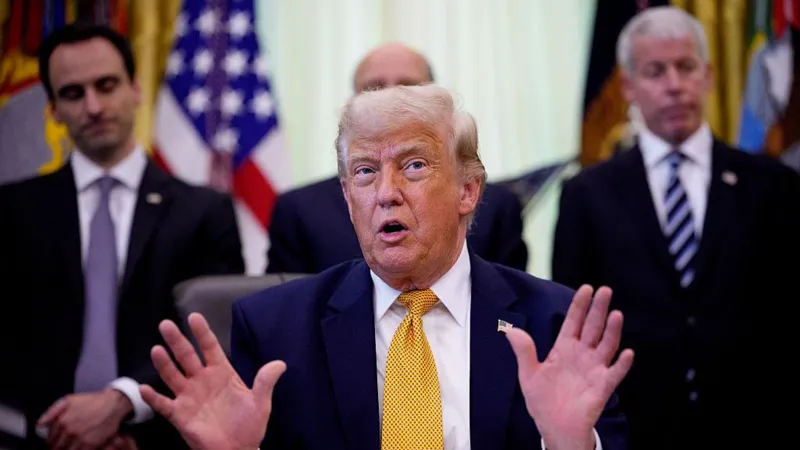
On the gas side, Qatar announced plans to resume operations at its Ras Laffan liquefaction complex within the coming weeks, restarting 12 of its 14 production trains after a four-month suspension. Separately, major Chinese state refiners including Sinopec and PetroChina are reportedly weighing a return to purchasing Iranian crude for the first time since 2019, taking advantage of a 60-day window offered by the Trump administration. Such a move could further redirect demand away from African producers.
For Ghanaian consumers and policymakers, the price developments are a double-edged sword. Lower global crude prices could ease pressure on the country's fuel import bill and help moderate pump prices at home — but sustained weakness in crude benchmarks equally threatens revenues from Ghana's own oil production at the Jubilee and TEN fields, which remain a key pillar of government finances.
Source: The Ghana Report

Comments (0)
Be the first to comment.