BoG Governor Warns Against Complacency Despite Falling Oil Prices, Touts Ghana's Economic Recovery
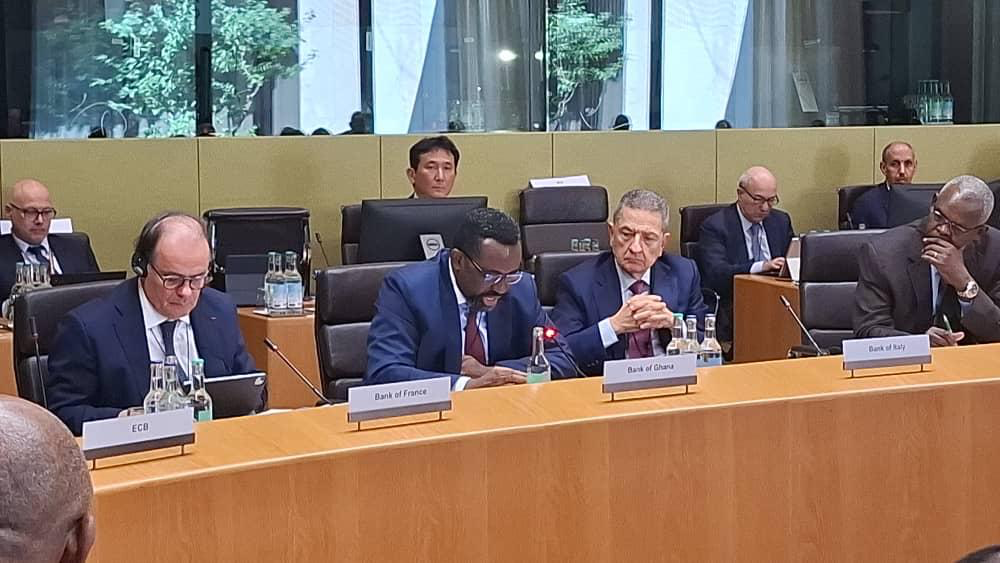
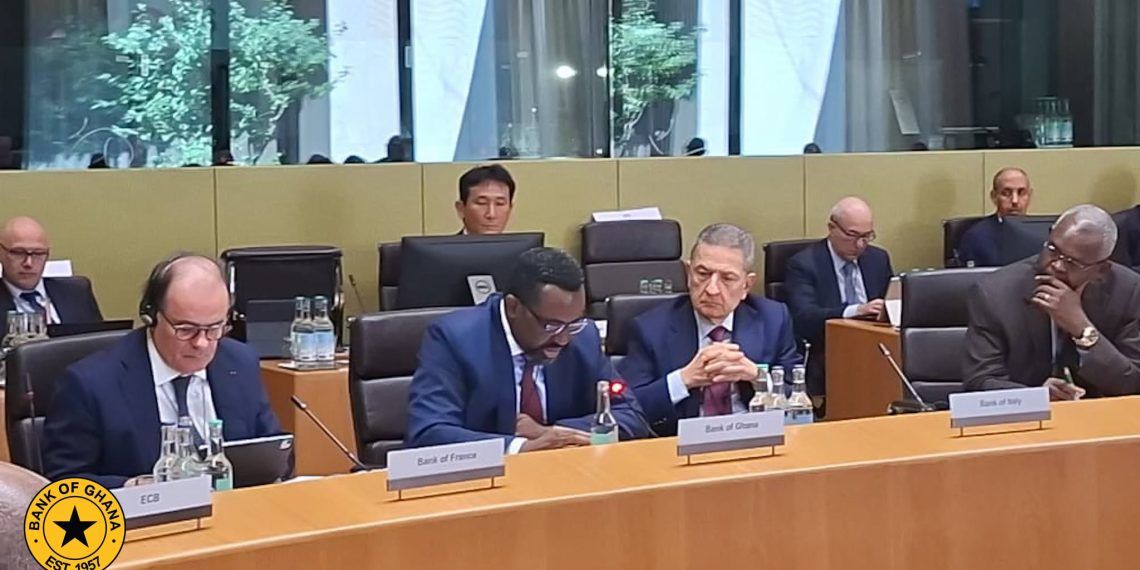
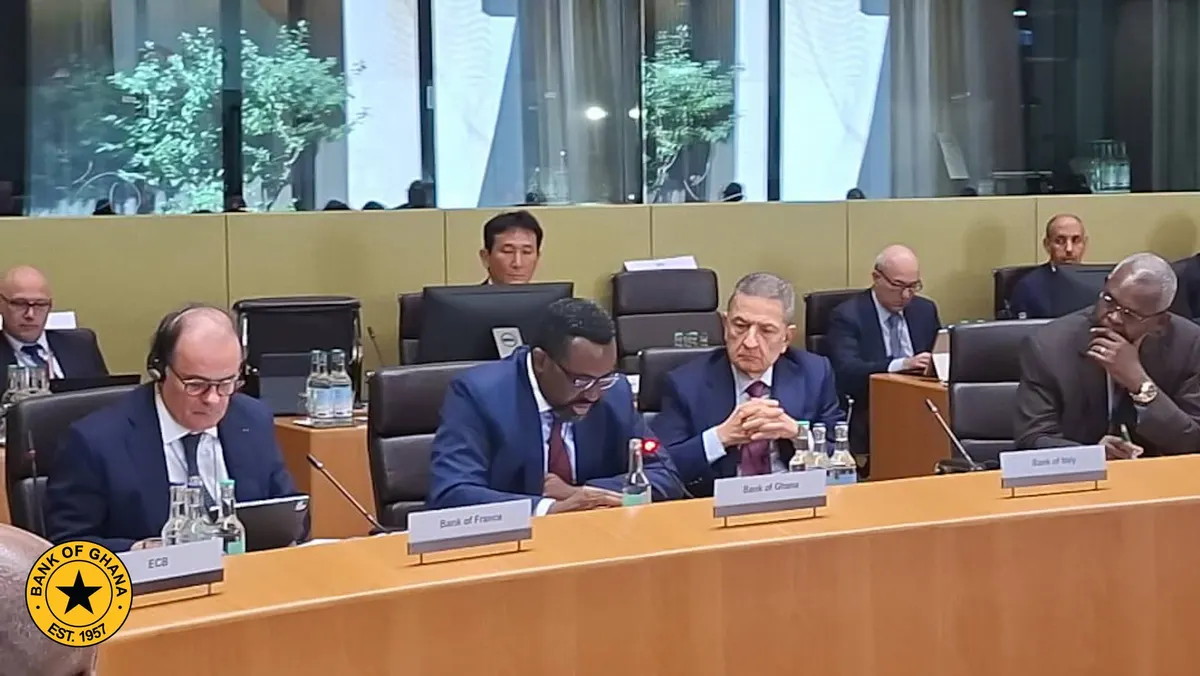
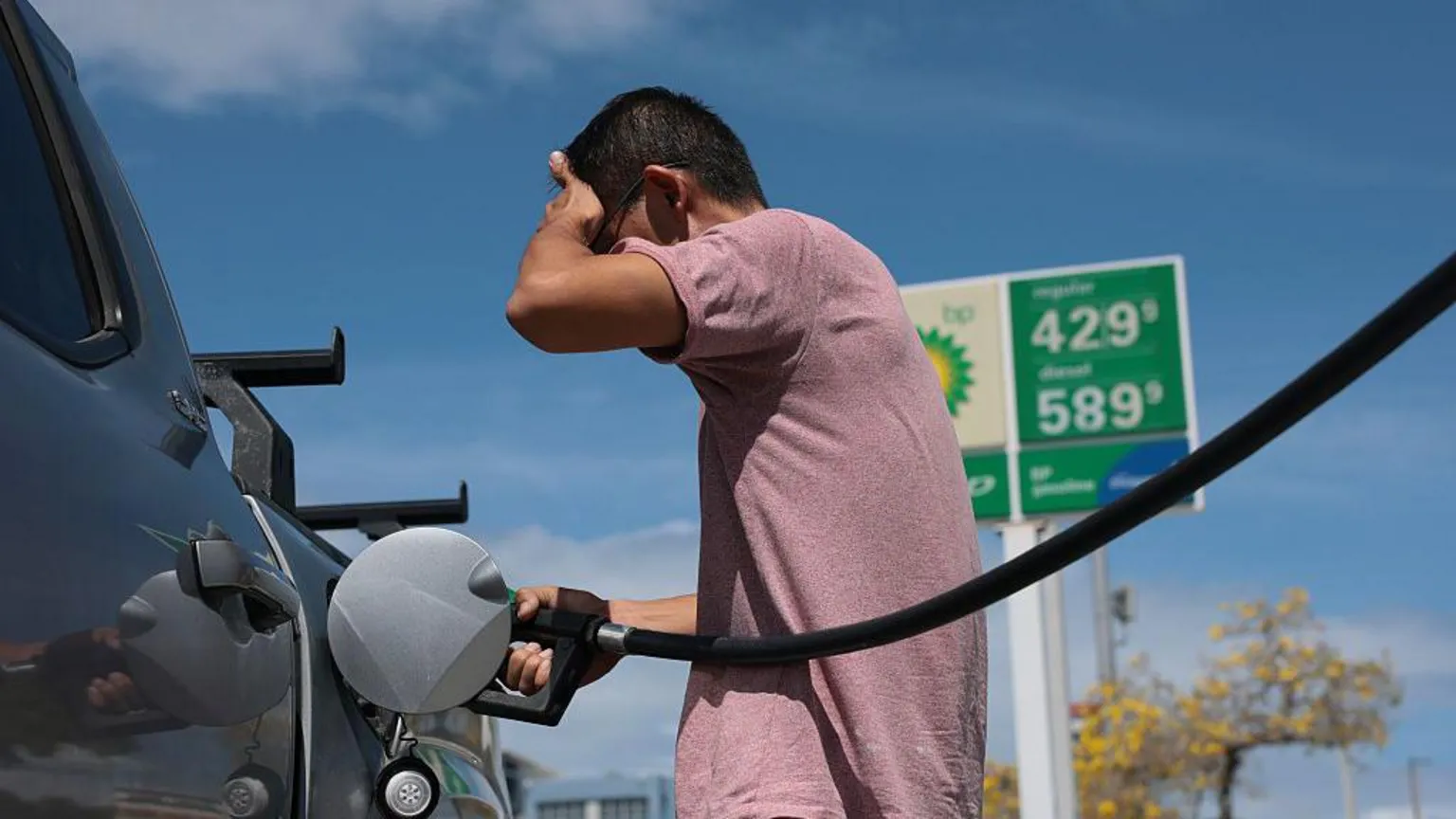
Bank of Ghana (BoG) Governor Dr Johnson Asiama has warned that falling global oil prices — partly driven by a ceasefire in the Middle East — must not lull Ghana and other emerging economies into a false sense of security. Speaking at the Bank for International Settlements (BIS) Roundtable of Governors in Basel, Switzerland, on 27th June, Dr Asiama stressed that significant external risks remain and that policymakers must stay vigilant.
The Governor identified tighter global financial conditions, a strong US dollar, and persistent international economic uncertainty as key threats facing countries like Ghana. He urged central banks to maintain credible policy frameworks whilst preserving the capacity to respond swiftly as conditions shift. "The recent Middle East conflict demonstrated how quickly external conditions can change things," he noted. The Bank of Ghana's Monetary Policy Committee is due to meet from 20th to 22nd July 2026, with a new policy rate announcement expected on 22nd July. The benchmark rate currently stands at 14%.
Ghana's Macroeconomic Gains
Despite the cautious tone, Dr Asiama acknowledged considerable progress in Ghana's economic recovery. He pointed to inflation falling dramatically from over 54% in 2022 to just 3.7% in May 2026, a primary fiscal surplus, and gross international reserves reaching US$14.4 billion — all of which he attributed to "careful planning," prudent economic management, domestic resource mobilisation, and policy reforms.
Shift Towards Domestic Borrowing
The Governor also addressed a growing trend across Africa, with Ghana and many other nations turning increasingly to domestic borrowing as external financing becomes more expensive and less predictable. Dr Asiama described this shift as one that "began as a response to tighter external financing" but is now becoming a deliberate strategic policy choice. Whilst this approach reduces exposure to currency and external shocks, he cautioned that it transfers risk into local financial systems and must be managed carefully.
"The next phase of reform must therefore focus on building domestic debt markets that are deeper, longer dated and more diversified, so that today's solution does not become tomorrow's vulnerability," he said.
Lessons From Ghana's Debt Restructuring
Dr Asiama also reflected on Ghana's ongoing debt restructuring under the IMF Extended Credit Facility, arguing that the country's experience holds valuable lessons for the broader African continent. He said the programme — backed by fiscal consolidation and institutional reforms — is designed to restore debt sustainability and rebuild policy credibility, positioning Ghana as a case study in recovery for other sovereign economies facing similar pressures.
Source: MyJoyOnline
Comments (0)
Be the first to comment.