NPP Must Rebuild From Ground Up, Says Napo After Electoral Setback

Matthew Opoku Prempeh, the New Patriotic Party's vice presidential candidate, has issued a stark warning that the ruling party cannot coast on its historical achievements and must urgently rebuild its connection with ordinary Ghanaians at the grassroots level to secure its political future.
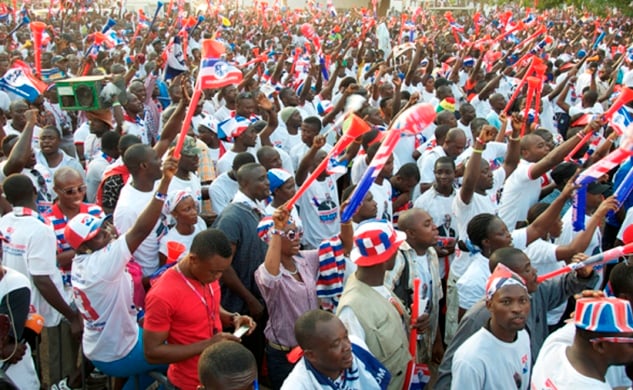
In remarks posted on social media on Tuesday, Prempeh emphasised that the NPP's survival depends not on resting on the accomplishments of past leadership, but on deliberately and systematically renewing its grassroots organisation and reinvigorating the traditions that once made it a formidable political force.
The Grassroots Challenge Facing Ghana's Largest Opposition
Prempeh's call reflects deep concerns within NPP circles about the party's standing following recent electoral losses. The message suggests that internal assessments indicate a growing disconnect between the party's leadership and its base supporters in communities across Ghana. This disconnect has historically been a critical vulnerability for any political party in Ghana's competitive two-party system, where mobilisation at the local level often determines electoral outcomes.
The vice presidential candidate's intervention is particularly significant given his position within the party hierarchy. His public statement suggests that concerns about grassroots erosion are not merely the views of mid-level party functionaries but are being voiced by senior leadership, indicating the severity with which the NPP views its current organisational challenges.
Why It Matters for Ghana's Political Landscape
The NPP's struggle to maintain grassroots connectivity has broader implications for Ghana's democracy. A healthy two-party system requires both major parties to maintain robust local organisations, as this competition typically drives better governance and responsiveness to constituent needs. When major parties lose grassroots touch, it can lead to weaker accountability mechanisms and reduced citizen engagement in local politics.
For ordinary Ghanaians, the NPP's organisational challenges matter because it affects the quality of political competition and the choices available at the ballot box. A weakened opposition party that has lost grassroots credibility typically translates into reduced pressure on the governing party to perform, ultimately affecting service delivery in communities.
Additionally, Ghana's political stability has often depended on strong institutionalised parties rather than personality-driven politics. The NPP's apparent need to rebuild from the ground suggests that both major parties face questions about institutional strength versus reliance on individual leaders or past legacies—a dynamic that merits public attention as the nation approaches future electoral cycles.
The Road Ahead for Party Renewal
Prempeh's message implies that the NPP recognises it cannot simply rely on nostalgia for past successes or the lingering loyalty of older party members. Instead, the party must engage in active renewal efforts, including recruiting and energising younger members, improving communication with local communities, and demonstrating concrete commitment to addressing grassroots concerns.
The coming months will be critical in determining whether the NPP can translate this acknowledgement into concrete organisational action. Party observers will watch for signals of renewed grassroots investment, local chapter revitalisation, and whether the message from senior leadership translates into resource allocation and strategic focus on community-level politics.
Source: 3News


Comments (0)
Be the first to comment.