NPP Mion Constituency Chair Steps Down Amid Leadership Shift in Northern Region

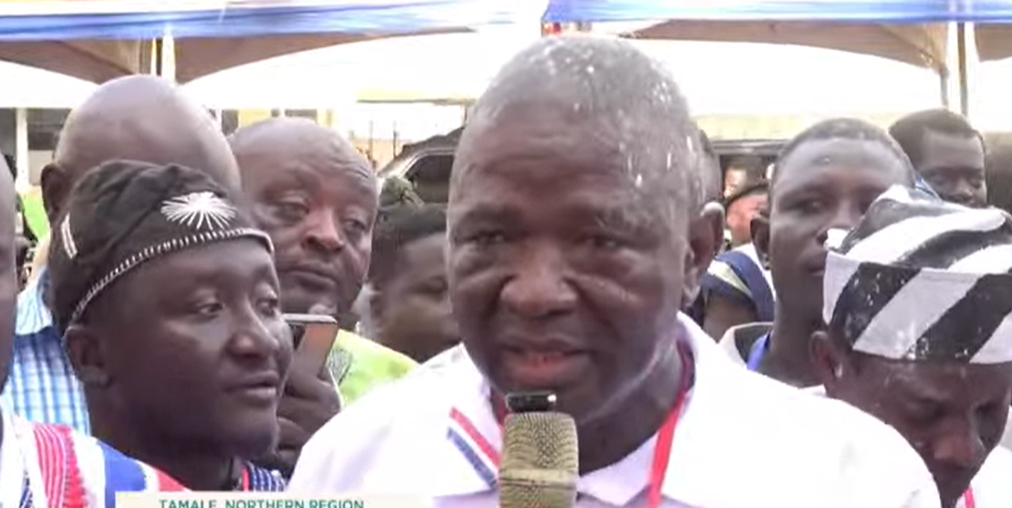
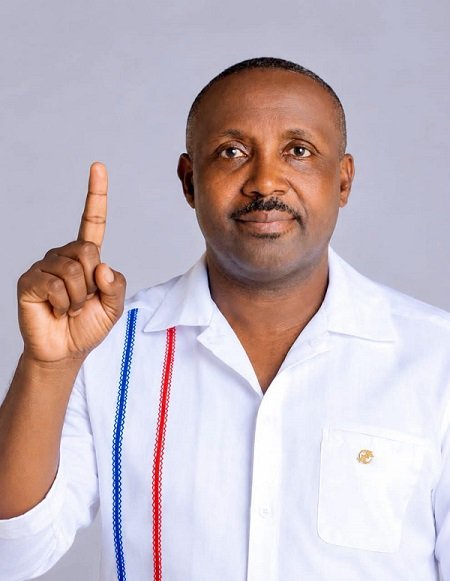
The New Patriotic Party's leadership structure in the Northern Region has experienced a significant change with the immediate resignation of Sulaiman Abubakar as Chairman of the Mion Constituency chapter. The move marks another internal adjustment within the party's grassroots organisation in one of Ghana's key political constituencies.
Abubakar's departure from the position comes during a period when political parties across Ghana are consolidating their structures ahead of upcoming electoral activities and party activities. The Mion Constituency, located in the Northern Region, represents an important political stronghold that both the NPP and opposition parties have competed for in recent election cycles.
Implications for Party Structures in the North
Constituency-level resignations within major political parties often signal either internal disagreements over party direction, personal circumstances, or leadership transitions being managed at higher levels. The Northern Region remains strategically significant for the NPP, as it comprises multiple constituencies that contribute substantially to the party's national support base.
The timing of Abubakar's resignation raises questions about whether it reflects broader organisational changes within the party's Northern Region apparatus or whether it relates to specific local concerns within the Mion Constituency. Political party chairmen at constituency level play crucial roles in grassroots mobilisation, fund-raising, and candidate selection processes.
Why This Matters for Ghana's Political Landscape
Grassroots party leadership changes like this one reflect the dynamic nature of Ghana's political parties and the constant negotiation of power at multiple levels. Constituency chairs are often the face of their parties at the local level, responsible for engaging with community members, organising party events, and ensuring members remain active and committed.
The Northern Region has historically been competitive political terrain, with the NPP and National Democratic Congress both maintaining strong organisational presence. Changes in leadership at this level can have ripple effects on party morale, campaign effectiveness, and the party's ability to retain or grow its support base in local communities.
Abubakar's successor will need to quickly establish credibility and continuity whilst potentially addressing whatever issues may have prompted the resignation. The NPP will likely move swiftly to appoint a replacement who can maintain momentum and keep the constituency organisation functioning effectively.
Party Leadership Transitions in Ghana
Leadership changes at constituency level are not uncommon in Ghana's political environment, where intra-party dynamics frequently result in reshuffles and strategic repositioning. Both major parties periodically adjust their organisational structures to improve performance or address internal concerns.
The party has not yet publicly announced details regarding the reasons for the resignation or indicated a timeline for appointing a replacement. Interested members and supporters of the NPP in Mion Constituency will be watching closely to see how party leadership addresses this vacant position and whether any broader changes follow in the region.
Source: 3News

Comments (0)
Be the first to comment.