
NPP Communicator Blasts Government Over Senior High School Placement Crisis


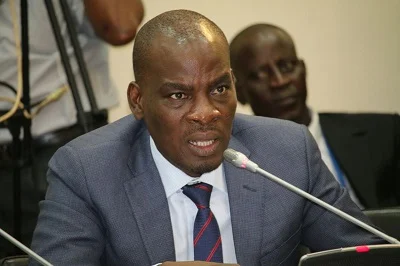
The New Patriotic Party's communications apparatus has turned its guns inward, with senior party member David Boakye launching a scathing attack on the government over the ongoing crisis in Senior High School (SHS) placements. The criticism underscores growing frustration within the ruling party itself over what Boakye characterises as unacceptable levels of administrative failure in managing one of Ghana's most critical educational processes.
Boakye's remarks come as thousands of Ghanaian students and parents remain in limbo, awaiting confirmation of their placements into secondary institutions. The Central Sekondari Placement System (CSSPS), the government's digital platform designed to streamline admissions, has become the focal point of mounting complaints about delays, technical glitches, and communication breakdowns.
The Placement Crisis Explained
Each year, Ghana's education system faces the monumental task of matching hundreds of thousands of Junior High School graduates to appropriate Senior High Schools based on their performance and preferences. The CSSPS was intended to make this process transparent, efficient, and fair—replacing older, more cumbersome systems.
However, the platform has repeatedly disappointed stakeholders. Students report uncertainty about their status, parents struggle to obtain information, and schools themselves have complained about receiving incomplete or conflicting data. The delays have real consequences: uncertainty disrupts family planning, postpones academic preparation, and creates unnecessary anxiety during a critical transitional period in students' educational journeys.
Why It Matters for Ghana
The SHS placement system sits at the heart of Ghana's education pipeline. Secondary schooling shapes the trajectories of young Ghanaians, determining which universities they can access, which careers become feasible, and ultimately, their economic prospects. When the system fails, the ripples extend far beyond individual students—they affect workforce development, economic competitiveness, and public confidence in state institutions.
That criticism is now coming from within the NPP, the party in government, adds significant weight. It suggests that even ruling party figures recognise the problem has become indefensible. For voters, it raises uncomfortable questions about administrative competence and accountability. For the government, it signals that continued delays risk eroding support among a core constituency: parents and educators who expect functional, reliable public services.
The education sector remains one of Ghana's most sensitive political battlegrounds. Previous administrations have faced fierce backlash over educational mismanagement. The current government, now in its third year, cannot afford to be seen as repeating those mistakes—especially when the tools to prevent them ostensibly exist.
What Happens Next
Boakye's comments may signal mounting pressure on the Ministry of Education and relevant agencies to act decisively. The government will need to provide clear timelines for resolution, transparent communication about what went wrong, and concrete steps to prevent recurrence. Simply blaming technical or logistical difficulties will likely not satisfy either the public or party members now openly questioning competence.
For students and parents, the immediate priority remains securing clarity on placements. For the government, the challenge is restoring confidence in a system that should be a model of modern educational administration, not a source of annual frustration.
Source: 3News




Comments (0)
Be the first to comment.