NPP Communications Race Takes New Turn as Asare-Bediako Exits, Backs Aboagye
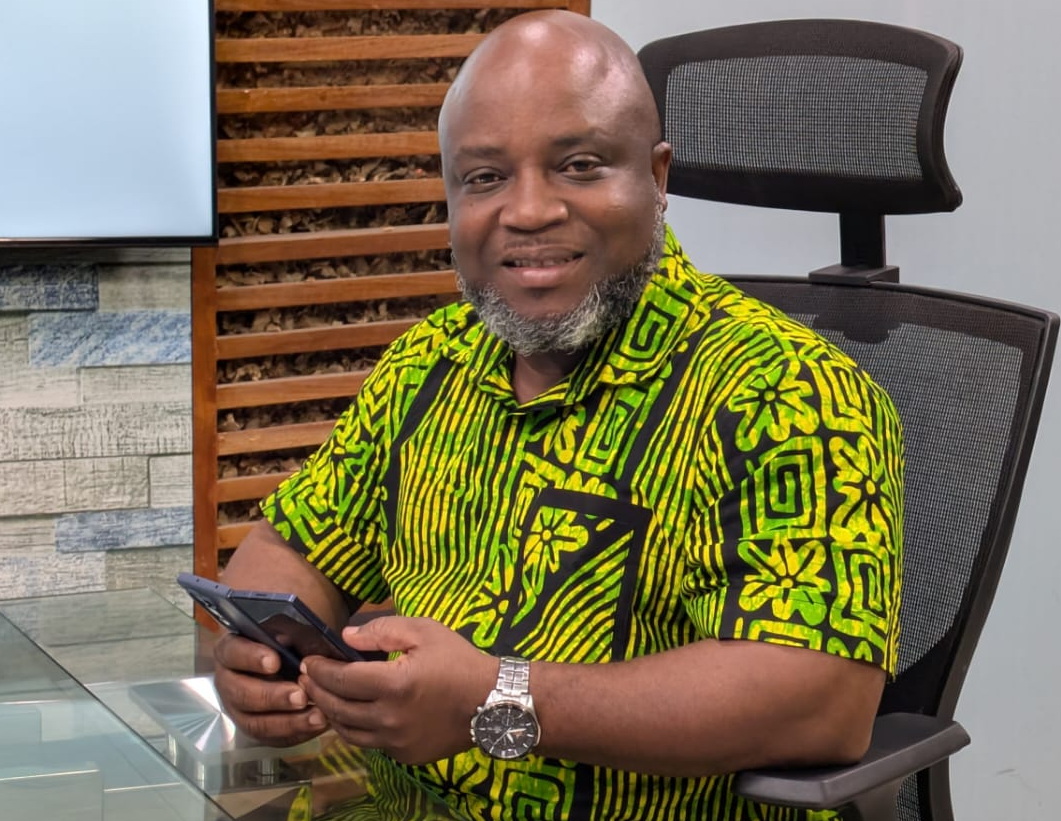
A significant development has unfolded in the New Patriotic Party's internal leadership contest, with Communications Director aspirant Gordon Asare-Bediako stepping down from the race and throwing his weight behind fellow contender Dennis Miracles Aboagye. The move, announced via Facebook on Sunday, August 23, 2026, signals a consolidation of forces within the party as it gears up for what many anticipate will be a crucial electoral cycle.
Asare-Bediako's withdrawal follows what he described as extensive consultations with family, friends and key stakeholders within the NPP. In his statement, he emphasised that whilst his ambition to lead the party's communications apparatus remained genuine, he had concluded that party unity took precedence over individual pursuits. "That desire has not diminished, but I have come to the firm conviction that our party's interest is best served by unity of purpose, not a division of energies," he stated.
The aspirant subsequently pledged his "full and unreserved support" to Aboagye and called on his supporters and delegates to rally behind the candidate. Asare-Bediako's endorsement centred on what he characterised as Aboagye's proven track record, describing him as "battle-tested" with strong communication abilities, strategic depth and extensive experience in frontline advocacy for the NPP. He expressed confidence that Aboagye's leadership would strengthen and sharpen the party's communications machinery.
Strategic Consolidation in NPP Leadership Race
The timing and nature of Asare-Bediako's withdrawal suggest a broader strategy within NPP circles to consolidate support around key candidates before the party's formal elections. Such moves are not uncommon in political party contests, where candidates assess their viability and calculate the greatest value they can add to their party's fortunes. By endorsing Aboagye early and publicly, Asare-Bediako positions himself as a team player committed to party unity—a message that resonates particularly strongly in internal party politics where future opportunities depend on maintaining goodwill.
Asare-Bediako's emphasis on putting "the NPP's broader objective ahead of individual aspirations" reflects a messaging strategy that appeals to party loyalty. His framing of the election as ultimately about "the retrieval of power for the New Patriotic Party and the restoration of hope for the good people of Ghana" attempts to elevate the discussion beyond personal ambition to the party's ultimate mission.
What This Means for Ghana's Political Landscape
The NPP's internal contests for key positions like Communications Director carry significance beyond the party walls. The Communications Director role is central to how a political party frames its message to voters, manages its public image and responds to opposition attacks. A well-coordinated and effective communications operation can meaningfully influence electoral outcomes.
For Ghanaians following the NPP's trajectory, these internal manoeuvres indicate how the party is preparing for future political engagement. The party's ability to unite around candidates and avoid prolonged factional disputes can affect its cohesion and effectiveness in campaign messaging. As Ghana's political space remains competitive, the operational efficiency of any major party's communications apparatus directly impacts the quality of public discourse and voters' access to party positions.
The consolidation around Aboagye suggests the party's establishment may view him as the strongest candidate to lead communications efforts going forward. Whether this early unity translates into effective messaging for the NPP will become apparent as Ghana moves closer to its next electoral cycle.
Source: MyJoyOnline


Comments (0)
Be the first to comment.