NPP Bantama Polling Centre Declared Crime Scene After Violent Primary Election Disruption

The New Patriotic Party's constituency executive elections in Bantama, Ashanti Region, descended into chaos on Saturday, 11 July, when violent disturbances forced police to declare the voting venue a crime scene. The incident at Kumasi Cultural Centre has raised fresh concerns about internal party discipline and the management of NPP primary elections ahead of wider party activities.
According to reports, the disruption occurred despite what sources describe as an active court injunction against the election. The alleged legal order did not prevent some party executives from proceeding with voting, notably without involvement from the Electoral Commission of Ghana—the body typically tasked with overseeing such processes.
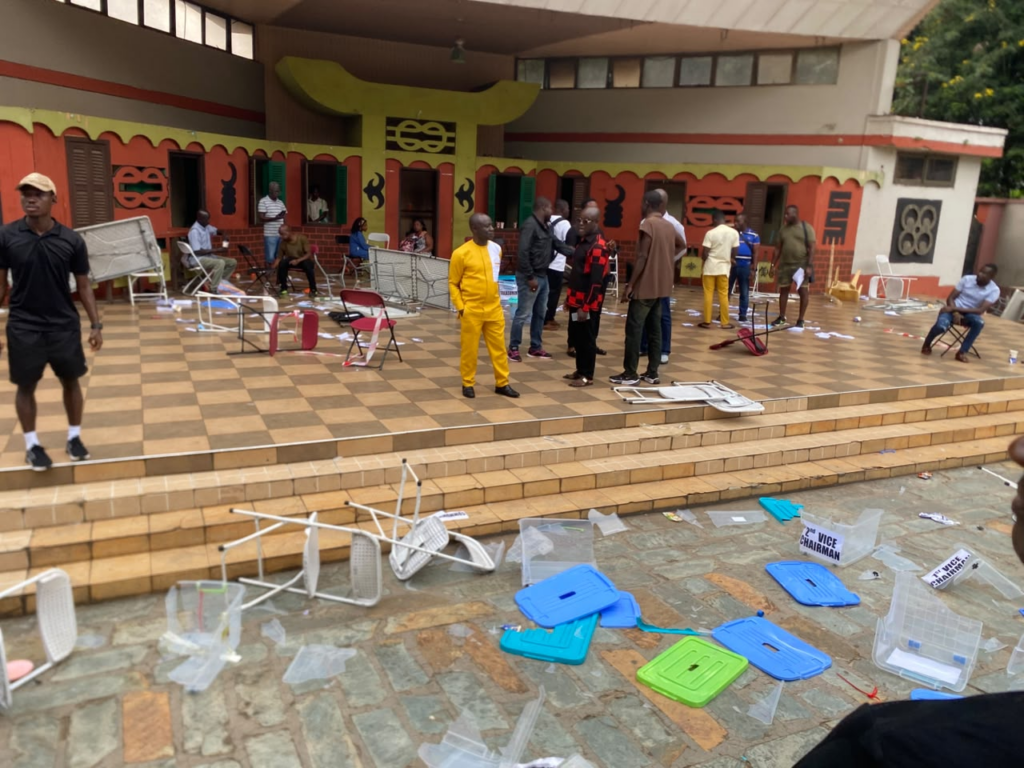
The situation escalated when individuals stormed the polling centre, vandalising election materials and physically attacking officials. Police arrested three suspects in connection with the destruction of ballot boxes and ballot papers. In the melee, at least one election officer sustained a foot injury serious enough to require emergency treatment at Komfo Anokye Teaching Hospital.
Police Investigation and Crime Scene Declaration
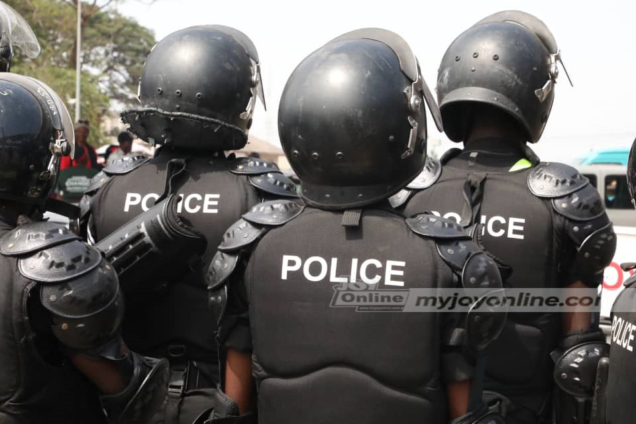
Following the violence, the Ashanti Regional Police declared Kumasi Cultural Centre a crime scene to preserve evidence and conduct a thorough investigation. This formal declaration underscores the seriousness with which authorities are treating the incident. The three detained individuals face potential charges related to destruction of property, assault, and election-related offences.
The investigation will likely examine not only the identities of those who stormed the venue, but also the circumstances that led party officials to proceed with voting despite the purported court order. Questions about how security was managed and why police presence was insufficient to prevent the disruption are also likely to feature in the inquiry.
Why This Matters for Ghana
Internal party elections are a critical part of Ghana's democratic ecosystem. When such processes descend into violence, they signal deeper governance challenges within political organisations and raise questions about their capacity to manage elections fairly and safely—particularly important given the NPP's historical role in Ghanaian politics and its prominence in the current political landscape.
The alleged court injunction adds another layer of complexity. If party officials proceeded against a legal order, it suggests either a breakdown in communication, deliberate disregard for judicial directives, or confusion about the legitimacy of the order itself. This could have implications for how courts and political parties navigate future disputes over party management and electoral processes.
For Ghanaians more broadly, incidents of election-related violence—whether in party primaries or general elections—erode confidence in institutions. They also set troubling precedents. If internal party elections cannot be conducted peacefully and in compliance with legal orders, questions naturally arise about the readiness of parties to manage national elections with integrity.
The NPP will face pressure to conduct a comprehensive internal review of what went wrong in Bantama and to implement measures preventing similar incidents. This may include clearer communication protocols between party officials, courts, and electoral bodies, as well as stronger security arrangements for future internal elections.
The incident also highlights the need for stronger mechanisms within political parties themselves to resolve disputes before they escalate to violence. Training of election officials, clear codes of conduct for party members, and transparent conflict resolution procedures are areas where most Ghanaian parties could strengthen their internal governance.
Source: MyJoyOnline


Comments (0)
Be the first to comment.