Bawumia urges NPP unity as party holds nationwide constituency elections
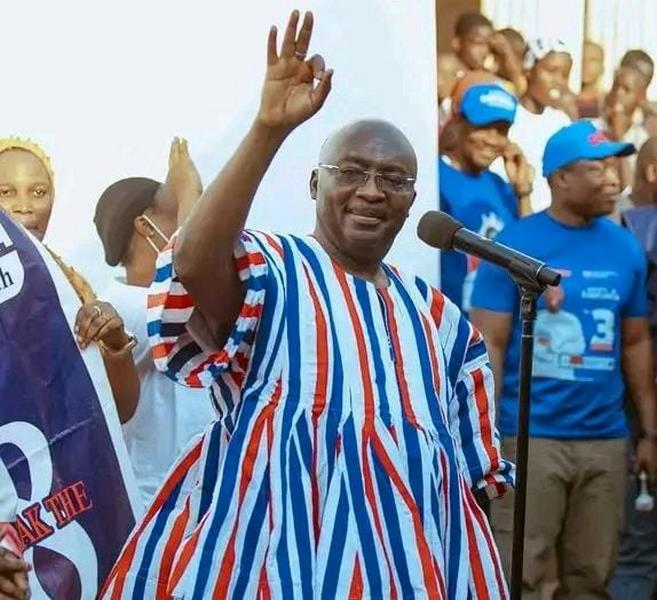
The New Patriotic Party (NPP) is in rebuild mode following its 2024 election defeat, and flagbearer Dr Mahamudu Bawumia has seized the moment to emphasise internal unity as the party conducts grassroots leadership elections across Ghana.
Over the weekend of 11–12 July, the NPP held constituency executive elections at 385 voting centres nationwide, allowing party members to elect officers who will lead the party machinery at the local level. These elections form a critical component of the party's reorganisation strategy as it seeks to strengthen its structures and prepare for future political contests.
In a Facebook statement, Dr Bawumia congratulated all candidates who stepped forward to contest for positions, describing their willingness to serve as a reflection of the party's democratic traditions. However, his key message centred on cohesion. Regardless of election outcomes, he stressed, party members must view themselves as part of one family working towards a common goal of rebuilding the NPP and advancing Ghana's interests.
The Call for Party Solidarity
Dr Bawumia's emphasis on unity is deliberate and strategically timed. Internal party elections often expose factional divisions and rivalries, particularly in the aftermath of electoral defeat when members may blame leadership or clash over direction. By framing the post-election phase as one requiring solidarity, the flagbearer is attempting to prevent the kind of fragmentation that can weaken a political party during vulnerable periods.
The elected executives will assume leadership of constituency structures—the grassroots backbone of any political party in Ghana. Their effectiveness in mobilising members, coordinating campaigns, and managing local party affairs will directly influence the NPP's ability to rebuild credibility and compete effectively in future elections. Dr Bawumia's message to both winners and losers makes clear that internal competition must give way to teamwork once the ballots are counted.
The flagbearer also expressed hope that the elections themselves would strengthen party cohesion and position the NPP for the challenges ahead, suggesting confidence that a transparent democratic process could enhance rather than damage internal relationships.
Obstacles and Ongoing Challenges
The reorganisation process is not without complications. Some constituencies were excluded from the July elections due to pending court cases and unresolved disagreements over delegates' electoral albums. These disputes hint at lingering tensions within the party that cannot be resolved by rhetoric alone. Administrative and legal hurdles will need to be addressed for the NPP to achieve the kind of unified structure Dr Bawumia is advocating for.
Why It Matters for Ghana
Ghana's democratic health depends partly on strong opposition parties capable of holding government accountable. The NPP's internal reorganisation and renewed emphasis on unity directly affect the quality of democratic competition in the country. A fragmented opposition weakens parliamentary oversight and civic engagement; a cohesive one strengthens both.
For average Ghanaians, the message is straightforward: both governing and opposition parties must function effectively for the system to work. Dr Bawumia's push for NPP unity is therefore not merely internal party management—it is part of the broader cycle of democratic renewal that Ghanaians expect to see from their political institutions. The coming months will test whether the party can translate calls for unity into sustained organisational strength.
Source: MyJoyOnline
Comments (0)
Be the first to comment.