
Noguchi Institute Calls for Stronger Local Investment in Ghana's Health Research


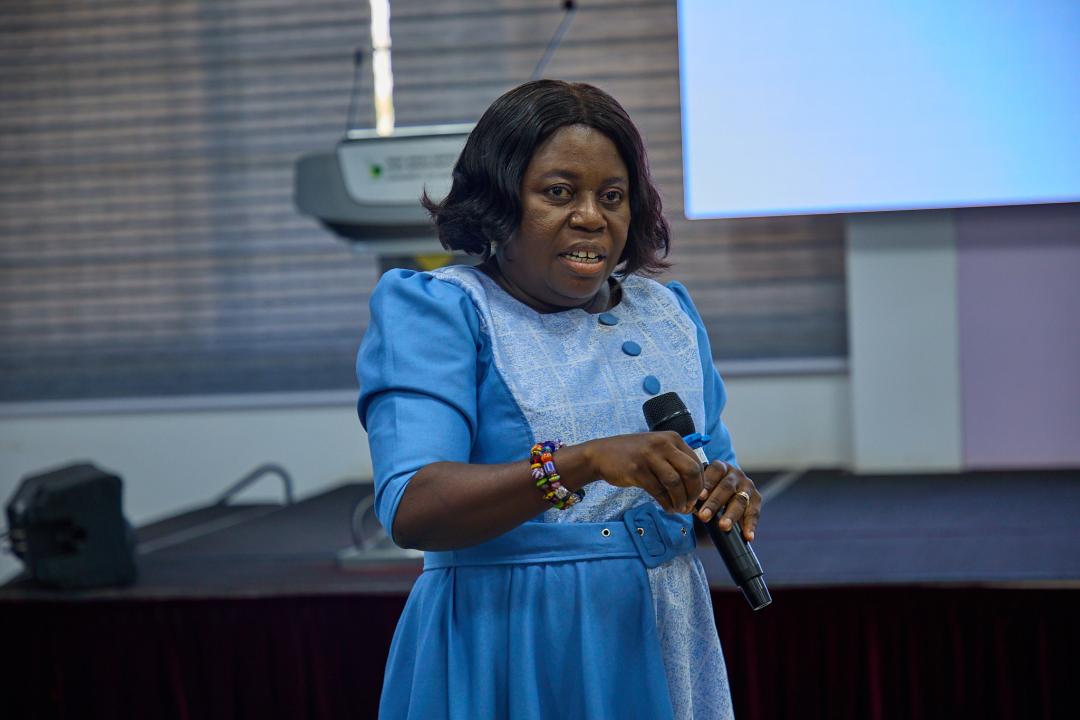
Ghana's premier medical research institution, the Noguchi Memorial Institute for Medical Research, has sounded a clear alarm: the country cannot adequately confront its growing health challenges without a serious and sustained commitment to locally funded research. The call highlights a long-standing tension in Ghana's public health landscape — one where groundbreaking scientific work is too often dependent on foreign donors rather than homegrown investment.
The Case for Local Health Research Funding
The Noguchi Memorial Institute, based at the University of Ghana, Legon, has for decades been at the forefront of medical research on the continent, tackling diseases ranging from malaria and tuberculosis to emerging infectious threats. Yet like many research institutions across sub-Saharan Africa, it has historically relied heavily on international grants and partnerships to keep its laboratories running and its scientists working.
This dependency, while understandable given Ghana's fiscal constraints, creates a fragile foundation. When global funding priorities shift — as they frequently do — local institutions can find themselves unable to sustain ongoing studies, retain skilled researchers, or respond swiftly to public health emergencies. The COVID-19 pandemic exposed precisely this vulnerability across Africa, as countries with stronger domestic research ecosystems were better placed to develop local diagnostics, monitor variants, and advise their governments with timely, home-grown data.
Noguchi's leadership is now pressing for a rebalancing — one that sees the Ghanaian government, private sector, and philanthropic community step up as genuine partners in funding health science, rather than leaving that responsibility almost entirely to external actors.
Why It Matters for Ghana
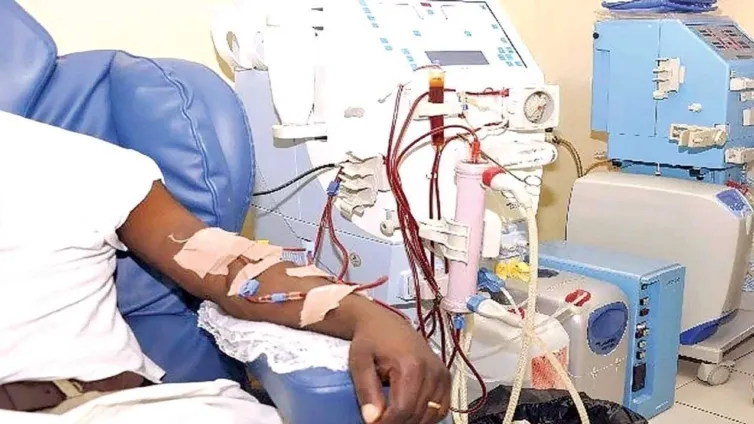
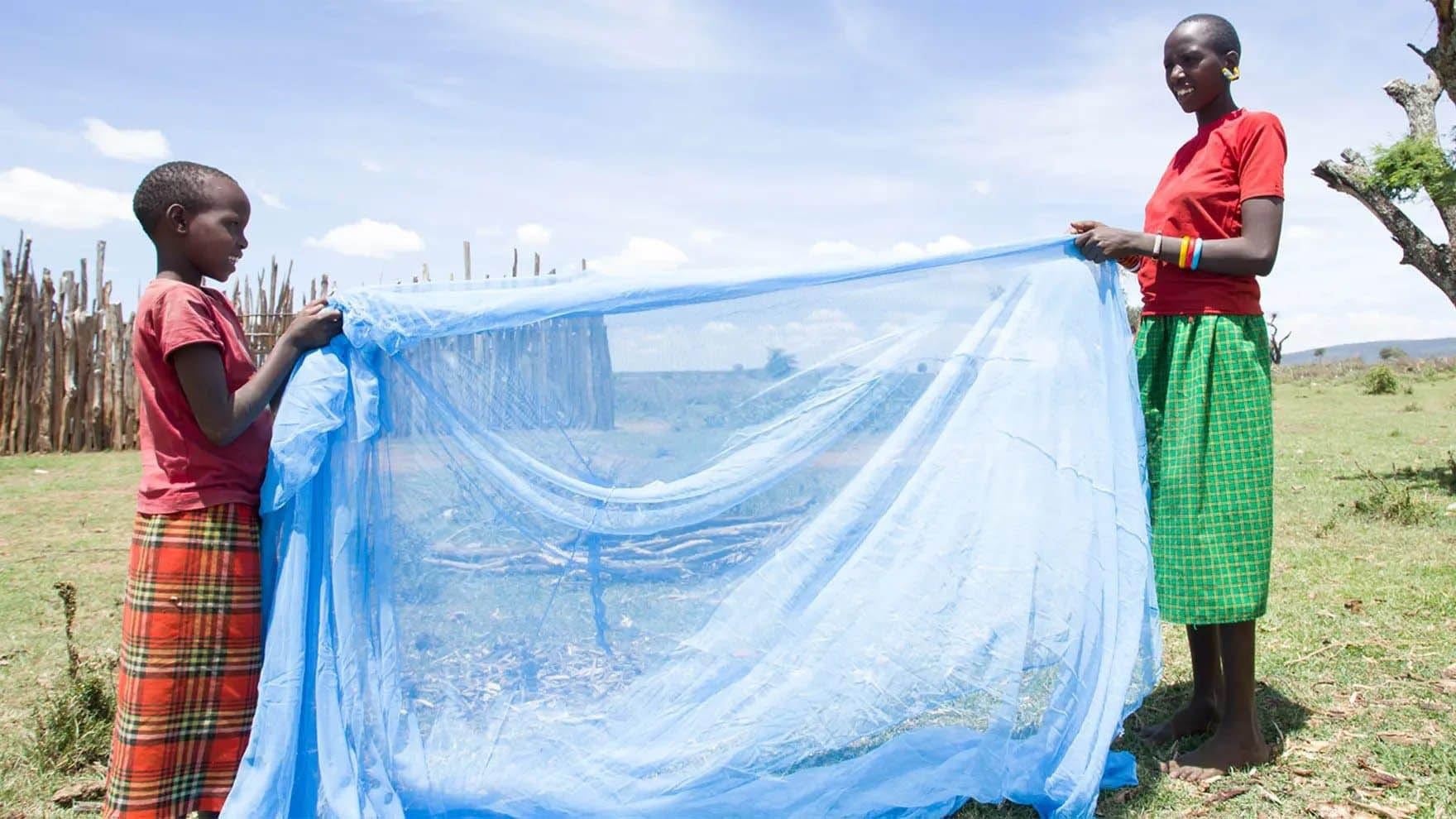
Ghana faces a complex and evolving disease burden. While the country has made commendable progress in reducing child mortality and expanding health coverage under the National Health Insurance Scheme, non-communicable diseases such as hypertension, diabetes, and cancers are rising sharply, even as infectious diseases like malaria, cholera, and tuberculosis remain significant threats. Addressing this dual burden requires research that is rooted in Ghanaian realities — studies conducted on local populations, using data collected in Ghanaian communities, and informed by conditions specific to the country's geography, genetics, and social environment.
Imported research findings from Europe or North America, however rigorous, do not always translate cleanly into effective policy for Ghana. Local research institutions like Noguchi are uniquely positioned to fill that gap — but only if they are adequately resourced. Beyond the science itself, investing in local research builds a pipeline of Ghanaian scientists, reduces brain drain, and strengthens the country's negotiating position in global health conversations.
There is also an economic argument. Countries that develop strong research sectors attract international scientific collaborations on more equal terms, generate intellectual property, and create skilled employment. Ghana has the talent and the institutional foundations — what is needed is the financial commitment to match.
What Needs to Change
Experts and advocates in the health research space have long called for African governments to dedicate a meaningful proportion of their national budgets to research and development. The African Union's own targets have pointed in this direction, though many member states, including Ghana, have fallen short of recommended benchmarks.
- Greater budget allocation from the Government of Ghana specifically ring-fenced for medical and public health research is considered a critical first step.
- Public-private partnerships could unlock funding from Ghana's growing private health sector, which has a direct interest in evidence-based medicine and skilled medical professionals.
- Diaspora engagement programmes could channel contributions from Ghanaian scientists and health professionals abroad back into domestic research institutions.
The Noguchi Institute's call is not simply about one institution's budget — it is a broader challenge to Ghana to take ownership of its own health future. As the global aid landscape becomes increasingly uncertain, the countries that invest in their own scientific capacity today will be far better prepared for the health crises of tomorrow. Ghana has every reason to be among them.
Source: 3News

Comments (0)
Be the first to comment.