Nkwanta South curfew eased as Interior Ministry seeks to restore peace in troubled Oti communities
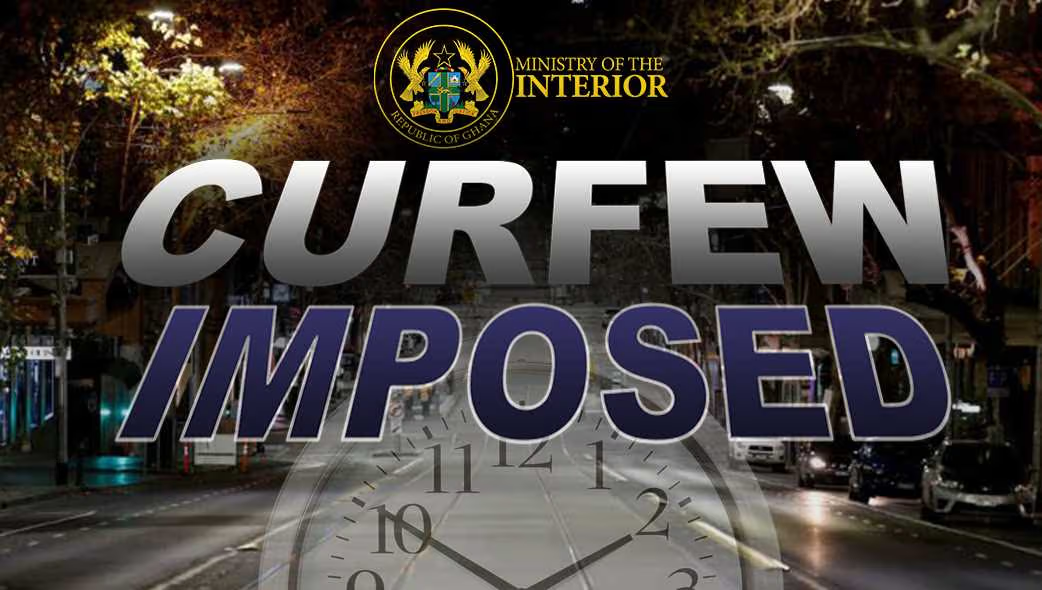
The Ministry of the Interior has made adjustments to curfew arrangements in Nkwanta South Municipality, loosening restrictions that have kept residents confined during extended hours as authorities attempt to stabilise the conflict-affected Oti Region area.
Effective from Monday, July 13, 2026, the new curfew will run from 8:00 p.m. to 5:00 a.m. daily. This represents a significant shift from the previous regime, which had restricted movement from 5:00 p.m. to 6:00 a.m.—a much longer period that began on June 19, 2026 in response to escalating tensions in the municipality.
The decision, announced by Interior Minister Muntaka Mohammed-Mubarak, came on the recommendation of the National Security Council and takes effect through Executive Instrument. The revised curfew covers twelve communities: Keri, Abrewanko, Abrewanko Junction, Nyambo, Nyambo Junction, Shari, Kromase, Power, Nyakoma, Odomi, Bonakye and Nkwanta itself.
Security measures remain in place
Whilst the curfew hours have been relaxed, the Interior Ministry has made clear that security restrictions remain strict. A blanket ban on the possession of arms, ammunition and other offensive weapons continues across all affected communities. The Ministry warned that any resident found carrying such items faces immediate arrest and prosecution under Ghanaian law.
Authorities have urged residents to cooperate fully with security personnel deployed in the area, framing such collaboration as essential to achieving lasting peace. The warning signals that despite the curfew adjustment, the government maintains a firm security posture intended to prevent further violence.
Why it matters for Ghana
The Nkwanta South situation reflects deeper communal and resource-related conflicts that periodically flare across Ghana's northern and middle belt regions. The Oti Region has experienced cycles of tension between communities over chieftaincy disputes, land boundaries and resource access. Adjusting curfew hours is a delicate balance—security forces must contain conflict whilst allowing economic and social activity to resume.
For residents of the twelve affected communities, the earlier 5:00 a.m. wake-up time provides a window to conduct morning market activities, farm work and other livelihoods that typically begin before dawn. However, an 8:00 p.m. start to curfew still severely restricts evening commerce and social gatherings that are important to community life.
The Ministry's appeal to chiefs, elders, opinion leaders and youth to pursue peaceful conflict resolution signals reliance on traditional and local mechanisms alongside state security. This dual approach—law enforcement combined with appeals for dialogue—is common in managing communal disputes in Ghana where local authorities often carry significant weight.
The sustained weapons ban indicates authorities believe the risk of armed confrontation remains real, even with relaxed curfew hours. Residents and business operators in these communities will need to navigate these constraints carefully whilst security agencies work to identify and remove illegal firearms from circulation.
Source: MyJoyOnline




Comments (0)
Be the first to comment.