Nigerian Singer Ladé on authenticity: Why African artists must tell their own stories to break through
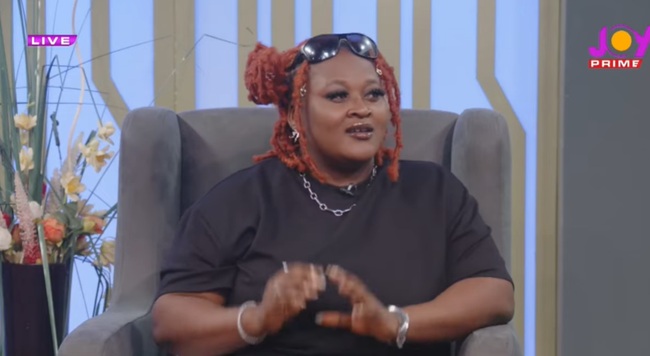
Nigerian singer and songwriter Ladé (born Oyetundun Omoladé Rachael) has become a vocal advocate for artistic authenticity in an industry often driven by trends and viral moments. In a candid conversation on Joy Prime's Changes show with Nikki Samonas, she explained why refusing to chase fleeting trends has been central to her success across Africa, including a substantial fanbase in Ghana.
The artist, who shot to prominence with her viral hit Adulthood Anthem, stressed that her approach to music-making prioritises genuine self-expression over commercial calculation. "My music is a true reflection of who I am, capturing my personality and experiences," she said during the interview, which explored the theme of making viral hits across borders.
From Nigerian hit to continental success
Adulthood Anthem became a cultural moment, particularly on TikTok, where thousands of users adopted it to articulate their own struggles navigating early adulthood. The song's organic spread beyond Nigeria's borders—particularly into Ghana and across West Africa—demonstrated the appetite for music that speaks to shared generational experiences rather than imitative sounds.
What made Ladé's trajectory noteworthy was that the song's cross-border appeal came not from calculated pan-African marketing, but from listeners seeing themselves reflected in her lyrics. Young people across the continent recognised their own anxieties and aspirations in her storytelling, making the track feel essential rather than merely entertaining.
Why it matters for Ghana's music industry
Ladé's message carries particular resonance for Ghana's thriving music scene. As Ghanaian artists compete globally and increasingly collaborate with international acts, her emphasis on originality over imitation offers a strategic counterpoint to the pressures of conformity. The Ghanaian music industry has produced significant regional hits—from highlife to hiplife to contemporary Afrobeats—precisely because artists often rooted their work in local stories and cultural specificity that resonated universally.
The singer also highlighted a critical point about artistic longevity: staying relevant requires more than one viral moment. It demands the emotional intelligence to connect genuinely with audiences. In an industry where trends cycle rapidly and algorithms favour novelty, artists who build fanbases based on authentic connection—rather than algorithm manipulation—create sustainable careers.
A message for emerging creators
Ladé was particularly emphatic in addressing upcoming artists, especially women navigating the competitive entertainment landscape. She encouraged them to resist pressure to adopt manufactured personas or conform to industry expectations about how female artists should sound or present themselves. This advice aligns with broader conversations in Ghana's entertainment space about female representation and creative agency.
Her perspective challenges a common misconception: that viral success requires compromise. Instead, Ladé's career demonstrates that relatability—the ability to make listeners feel seen and understood—is the actual engine of cross-border appeal. When an artist authentically captures their own experiences and emotions, those feelings become universally recognisable.
As Ghanaian artists continue to build continental and global platforms, Ladé's framework offers useful guidance: invest in originality, prioritise emotional authenticity over trend-chasing, and trust that your specific story—told genuinely—will find its audience across borders.
Source: MyJoyOnline



Comments (0)
Be the first to comment.