New Upper East NPP Chairman Eyes Regional Dominance, Vows to Challenge NDC Stronghold

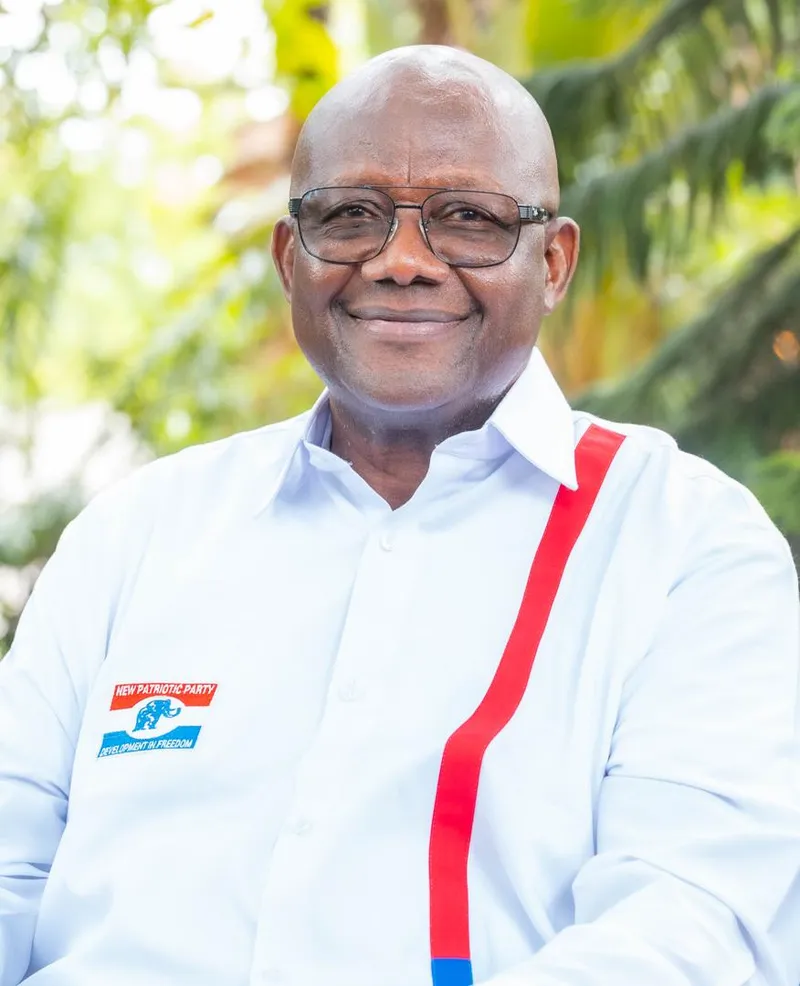
Elvis Awonekai Figo Atiah, who has just assumed office as the Upper East Regional Chairman of the New Patriotic Party (NPP), has thrown down the gauntlet to the opposition National Democratic Congress (NDC), pledging to strengthen the party's organisational capacity and challenge what has traditionally been opposition stronghold territory.
Atiah, who previously served as the region's NPP Secretary, expressed confidence that his leadership approach would energise the party's base at the grassroots level across the Upper East Region. His remarks signal an intensified political competition in a region that has historically leaned towards the NDC in presidential and parliamentary contests.
Building Strength from the Ground Up
The newly elected chairman's strategy focuses on revitalising the NPP's organisational structure and mobilising supporters at the community level. Having served in a secretarial capacity, Atiah brings institutional knowledge of the party's operations and networks across the region. His appointment as chairman represents a leadership transition aimed at consolidating NPP support among rural and urban constituencies in the Upper East.
The Upper East Region has been a competitive political terrain, though the NDC has historically maintained significant influence in several constituencies. Atiah's ascension to the regional leadership suggests the NPP intends to invest resources and effort into reversing or narrowing this political gap ahead of future electoral cycles.
Why It Matters for Ghana
Regional political leadership positions carry considerable weight in Ghana's electoral system. The Upper East Region contributes multiple parliamentary seats and a crucial share of the national popular vote in presidential elections. Control of regional party machinery determines how effectively national campaigns reach voters, how party resources are distributed, and ultimately how competitive a party remains in that territory.
The NPP's push to strengthen its Upper East presence reflects broader party strategy ahead of upcoming elections. Historically, Ghana's political outcomes have been influenced by the ability of parties to gain ground in regions where they have traditionally been weaker. If the NPP succeeds in energising its organisation under Atiah's leadership, it could shift the regional political balance and impact national electoral mathematics.
Conversely, the NDC will likely respond to this challenge by consolidating its own regional structures and mobilising its traditional support base. This competitive dynamic in the Upper East—and across all regions—is fundamental to how Ghanaian democracy functions, with parties constantly competing for voter allegiance and organisational dominance.
The Road Ahead
Atiah's confident rhetoric will now be tested by concrete outcomes: membership recruitment, successful campaign organisation, and ultimately, electoral performance in future contests. Regional chairmen in Ghana's political system are judged by their ability to deliver results in their jurisdictions, both in terms of party votes and the number of seats their party secures in parliamentary elections.
The appointment reflects the NPP's recognition that consolidating power nationally requires strengthening its position in all regions, including those where it has historically underperformed. Whether Atiah's leadership will translate into tangible political gains for the NPP in the Upper East remains to be seen, but his appointment signals the party's commitment to competitive regional politics in the coming years.
Source: 3News

Comments (0)
Be the first to comment.