New Local Government Minister pledges crackdown on illegal small-scale mining through regulatory collaboration
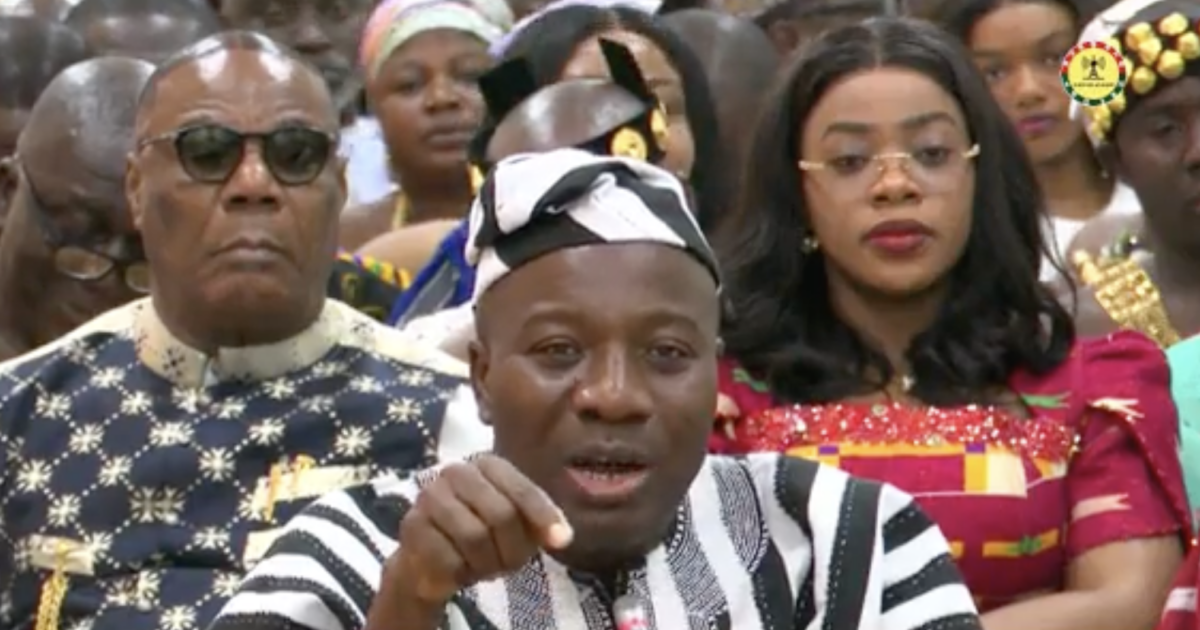
Ghana's incoming Minister for Local Government, Chieftaincy and Religious Affairs, Mahama Ayariga, has committed to a collaborative approach to tackling illegal small-scale mining, pledging to work closely with regulatory agencies rather than impose top-down interference during his parliamentary vetting on Thursday.
The commitment comes as Ghana continues to grapple with the devastating environmental and social impacts of unregulated mining operations, particularly small-scale mines that operate across rural and peri-urban communities. Ayariga's remarks signal a shift towards institutional coordination as the primary strategy for enforcement.
A focus on institutional strengthening
During his appearance before Parliament's Appointments Committee, Ayariga outlined a strategy centred on empowering existing regulatory bodies rather than creating parallel enforcement structures. He identified the Environmental Protection Agency (EPA) and the Minerals Commission as critical partners in this effort, indicating that his ministry would support capacity-building initiatives to enhance their monitoring capabilities.
The minister-designate emphasised the need for adequate technical personnel, including mining engineers, to be deployed in the field to identify illegal operations and verify compliance with both environmental and legal standards. This operational approach addresses a long-standing challenge: the shortage of trained personnel available to conduct regular inspections in mining areas, which has historically allowed illegal operators to evade detection.
Environmental restoration as a core priority
Ayariga also highlighted land reclamation as a non-negotiable requirement for mining operators. He stressed that those engaged in mining activities must restore degraded areas to their original condition or convert them to productive use once extraction ceases. This commitment aligns with growing public concern about abandoned mining sites that have scarred Ghana's landscape, contaminated water bodies, and displaced communities.
The emphasis on reclamation represents a departure from past practice, where many small-scale mining sites were abandoned without restoration, leaving behind environmental wastelands and health hazards.
Why it matters for Ghana
Illegal and unregulated small-scale mining has emerged as one of Ghana's most pressing development challenges. Beyond environmental damage, the sector fuels social conflict, undermines legitimate mining operations, and erodes government revenue. Communities affected by mining report water pollution, loss of agricultural land, and health problems linked to mercury and other toxic materials used in extraction.
Ayariga's emphasis on engagement and regulatory strengthening suggests a recognition that enforcement alone is insufficient—regulatory institutions require sustained investment in tools, training, and personnel. However, success will depend on whether his ministry can secure budget allocations and sustain political will to support these agencies over time, particularly given competing demands on Ghana's limited resources.
The approach also raises questions about accountability mechanisms. While coordination is essential, communities and civil society organisations will likely scrutinise whether engagement with regulators translates into tangible improvements in compliance rates and reduced environmental damage on the ground.
Source: MyJoyOnline

-1200x675.webp)


Comments (0)
Be the first to comment.