
Nearly 4% of Ghanaian Adults Have Considered Suicide, WHO Data Reveals Public Health Crisis


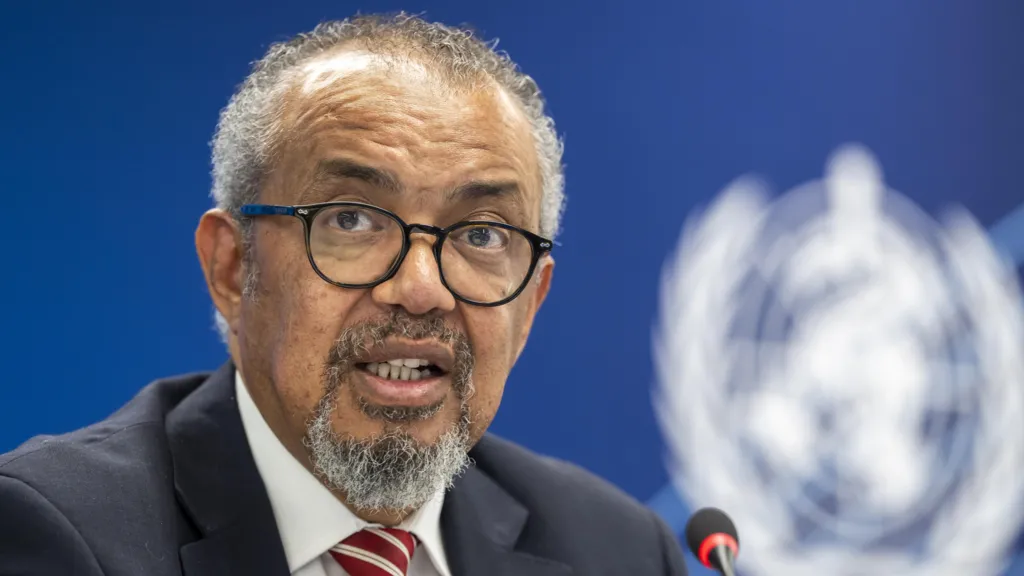
The World Health Organisation has released alarming statistics on suicide ideation in Ghana, revealing that 3.8 per cent of the adult population has considered taking their own life, whilst 2.3 per cent have actually attempted suicide. The figures, drawn from the 2023 Ghana STEPS Survey, were unveiled by WHO Country Representative Dr Fiona Braka during the launch of 2026 World Suicide Prevention Day activities in Accra, underscoring a growing mental health crisis requiring urgent national attention.
The data paints a troubling picture of mental health across Ghana's population, with young people identified as a particularly vulnerable group. According to Dr Braka, the survey findings demonstrate that suicidal thoughts are disturbingly prevalent among younger Ghanaians, making age-targeted mental health programmes essential. The WHO representative stressed that each suicide represents far more than a single tragedy—it reverberates through families, workplaces, communities, and the broader social fabric, inflicting lasting psychological and economic damage.
Ghana's Progressive Legal Reform on Suicide
A significant development in Ghana's approach to mental health came in March 2023, when Parliament decriminalised attempted suicide. Dr Braka commended this legislative shift as a watershed moment, transforming the national response from punitive measures to compassionate care. Previously, individuals who survived suicide attempts faced potential criminal prosecution—a policy that often deterred people from seeking help and worsened psychological distress.
The decriminalisation represents a fundamental reframing of how Ghana treats suicidal behaviour. Rather than viewing it as a criminal matter, the reform recognises suicide and suicidal ideation as public health and mental health concerns requiring medical support, therapeutic treatment, and protection of human dignity. This aligns Ghana with international best practices and WHO recommendations, which emphasise that criminalisation creates barriers to care-seeking and exacerbates mental health crises.
Why This Matters for Ghana
The WHO figures arrive at a critical juncture for Ghana's mental health infrastructure. The nation faces a dual challenge: expanding access to psychological services whilst simultaneously building community awareness and prevention capabilities. Mental health services remain underfunded and unevenly distributed, particularly outside urban centres, meaning many Ghanaians experiencing suicidal thoughts lack accessible support.
The statistics highlight the urgency of comprehensive action across multiple sectors. Schools require robust mental health curricula and counselling services to identify and support at-risk young people early. Workplaces need employee assistance programmes and mental health literacy training. Healthcare systems must strengthen psychiatric and psychological services. Communities require trained suicide prevention ambassadors and accessible hotlines.
Dr Braka's call for intensified prevention efforts emphasises that stakeholders—government agencies, civil society organisations, healthcare providers, educational institutions, and communities—must collaborate to create protective systems. This includes training healthcare workers to recognise warning signs, reducing access to suicide means, and ensuring vulnerable populations receive targeted support.
Ghana's decriminalisation of attempted suicide was a necessary first step, but legal reform alone cannot solve the crisis. Follow-up action must include adequate funding for mental health services, robust training programmes for healthcare and social workers, public awareness campaigns reducing stigma, and establishment of crisis intervention systems including telephone helplines and rapid-response teams.
The 2026 World Suicide Prevention Day activities present an opportunity to galvanise national commitment to mental health protection and to translate promising policy reforms into concrete, accessible services that can reach and support the thousands of Ghanaians currently experiencing suicidal thoughts.
Source: MyJoyOnline


Comments (0)
Be the first to comment.