Missing Catholic priest found at Koforidua Police Training Centre; Diocese explains suspension
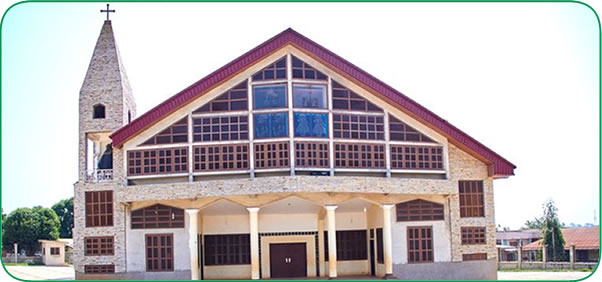
The Catholic Diocese of Konongo-Mampong has clarified the circumstances surrounding the suspension and disappearance of Rev. Fr. Samuel Adapore, announcing that he has been found at the Police Training Centre in Koforidua, Eastern Region. The priest, who was suspended from sacred duties on 24 August 2026, independently enrolled at the facility to undergo training for the Ghana Police Service, the Diocese revealed in a statement on Thursday, 27 August.
Fr. Adapore's whereabouts had sparked public concern and social media scrutiny after his suspension, with many questioning where he was and what had prompted the Diocese's disciplinary action. The Diocese has now confirmed that he made the decision to join the police training programme entirely of his own volition and was present at the centre as a private individual, not under any directive from church leadership.
Why the suspension and what it means
The priest was suspended from performing sacred functions, which means he is barred from publicly administering sacraments, celebrating or concelebrating Mass, and officiating at liturgical services. However, the Diocese has emphasised that this disciplinary measure does not strip Fr. Adapore of his priestly status or identity within the church community. He remains, according to the Diocese, a valued member of the clergy, but with restrictions on certain ministerial functions pending the outcome of canonical proceedings.
The Diocese stated: "You are still our brother and our priest, but you cannot presently exercise certain priestly functions because of the circumstances surrounding your conduct." This distinction is important in Catholic canon law, where suspension is a temporary disciplinary measure designed to regulate ministry rather than permanently remove someone from the priesthood.
Diocese defends handling and confidentiality
The Diocese has defended its approach to both the disciplinary process and the confidentiality surrounding the case. It rejected suggestions that maintaining confidentiality or pursuing the suspension amounted to abandoning Fr. Adapore, arguing instead that welfare concerns and disciplinary proceedings can operate in parallel. "The Church can ask whether a priest is safe while also determining whether he has abandoned his assignment without authorisation, and can seek his whereabouts while regulating his ministry," the Diocese explained.
The church body further justified its privacy protections, stating that the dignity and privacy of priests undergoing canonical discipline must be safeguarded. The Diocese noted that canonical discipline serves multiple purposes: safeguarding ecclesiastical order, addressing any scandal, and crucially, encouraging reform and restoration of the individual. This rehabilitative aspect distinguishes church discipline from purely punitive measures.
Context for Ghanaian Catholics
This case reflects broader questions about transparency, pastoral care, and due process within the Ghanaian Catholic Church. While canon law permits confidentiality in disciplinary matters, public concern about Fr. Adapore's welfare highlights the tension between institutional privacy and congregational accountability. For Catholics in the Konongo-Mampong Diocese and across Ghana, the case underscores how internal church discipline operates and the distinction between suspension and defrocking in Catholic practice. The fact that Fr. Adapore has chosen to pursue a career in law enforcement while matters are resolved adds an unexpected dimension, suggesting his departure from active ministry may be more than temporary.
Source: MyJoyOnline




Comments (0)
Be the first to comment.