
Minority challenges government's explanation for frozen flood relief fund, questions Cabinet coordination
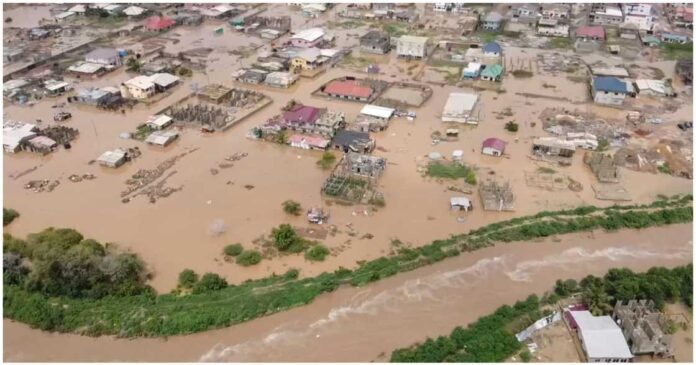

Ghana's opposition has intensified scrutiny of the government's handling of emergency funds meant for flood relief, with the Minority Leader on Parliament's Works and Housing Committee questioning how Cabinet could approve emergency measures without knowing the country's contingency fund was inaccessible due to a court order.
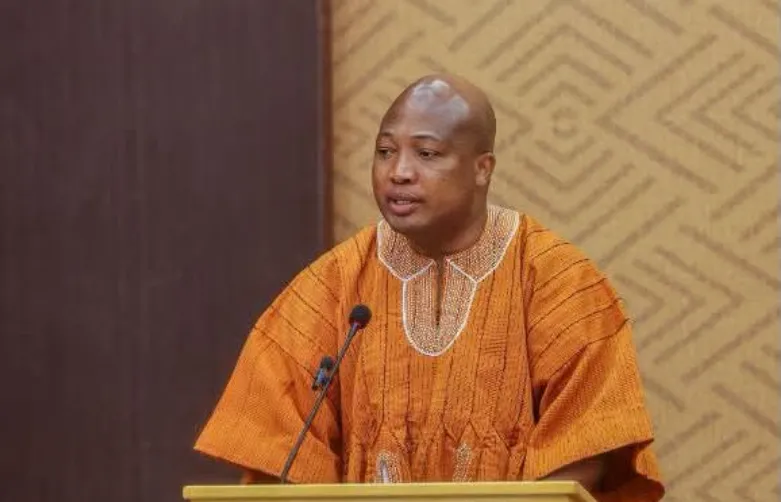
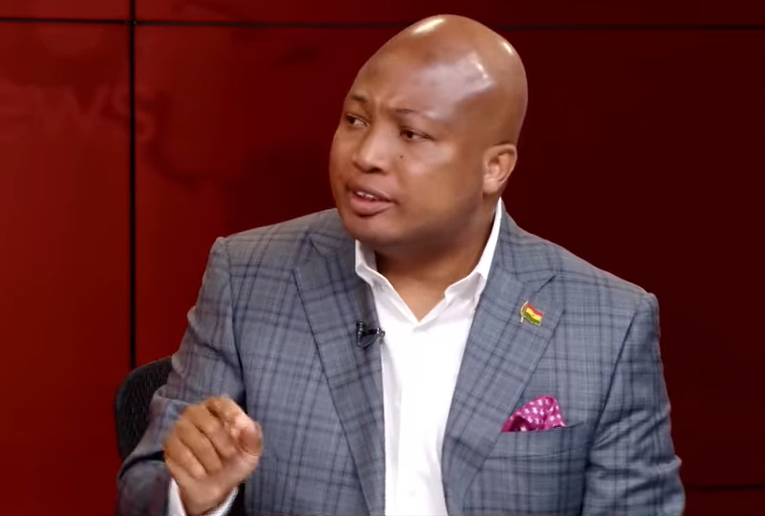
In response to the 2026 Mid-Year Budget Review, Finance Minister Dr Cassiel Ato Forson stated that a court garnishee order had frozen Ghana's constitutional contingency fund, preventing the government from accessing money for recent flood relief efforts in Accra. However, Martin Adjei Mensah Korsah, the former Local Government Minister, has challenged this explanation as implausible and indicative of deeper governance problems.
Questions over government coordination
Mr Mensah Korsah argued that if Cabinet had convened to discuss and approve emergency flood response measures, the Attorney-General—as both the government's chief legal adviser and a Cabinet member—should have informed ministers about the legal restrictions on the contingency fund. The fact that this did not happen, he suggested, raises serious concerns about how government agencies communicate and coordinate.
"If the Cabinet of Ghana could convene and brainstorm on measures to mitigate subsequent floods and decided to access money from the contingency fund and it never occurred to Cabinet, of which the chief legal advisor to the President, Attorney-General, is a member, and they did not know that the contingency fund had a garnishee order, then it's quite strange," he stated.
The criticism reflects broader concerns about governance and inter-ministerial coordination during crisis response. The Minority contends that either the government's agencies operate in silos or the stated explanation does not hold up to scrutiny. Such breakdowns are particularly problematic in disaster management, where rapid, coordinated action is essential to protect lives and property.
Disputing the GARID project claims
Mr Mensah Korsah also challenged the Finance Minister's allegations that the previous Akufo-Addo administration mismanaged the Greater Accra Resilient and Integrated Development (GARID) Project, a World Bank-funded initiative designed to improve flood mitigation infrastructure. He dismissed these claims as unfounded and politically motivated.
According to World Bank implementation reports cited by the former minister, there is no evidence of funds being misused or misappropriated. Rather, the reports identify delays by the Finance Ministry in releasing funds needed for the project's execution. This distinction is significant: it suggests the problem was not corruption or malfeasance by the previous government, but rather bureaucratic bottlenecks in the current administration's handling of disbursements.
"At nowhere does the World Bank find any wrongdoing or misuse of money," Mr Mensah Korsah stated, urging the government to focus on addressing implementation challenges rather than engaging in political recrimination.
Why it matters for Ghana
This dispute highlights critical issues for Ghana's disaster preparedness and response capacity. Accra has experienced severe flooding in recent years, claiming lives and displacing thousands. Effective flood management requires not only adequate funding but also seamless coordination between finance, legal, and disaster management agencies.
The controversy over the contingency fund also raises questions about transparency and accountability in how the government manages emergency finances. If a court order genuinely restricted access to emergency funds, Ghanaians deserve clear, timely communication from their government. Conversely, if coordination failures led to poor crisis response, those responsible must be held accountable.
As the nation faces the double challenge of climate-related disasters and fiscal constraints, ensuring that emergency funds are accessible and that government agencies work together effectively is essential to protecting vulnerable communities.
Source: The Ghana Report



Comments (0)
Be the first to comment.