
MDPI Pushes Institutions to Invest in Staff Training Before 2027 Budget Targets Kick In
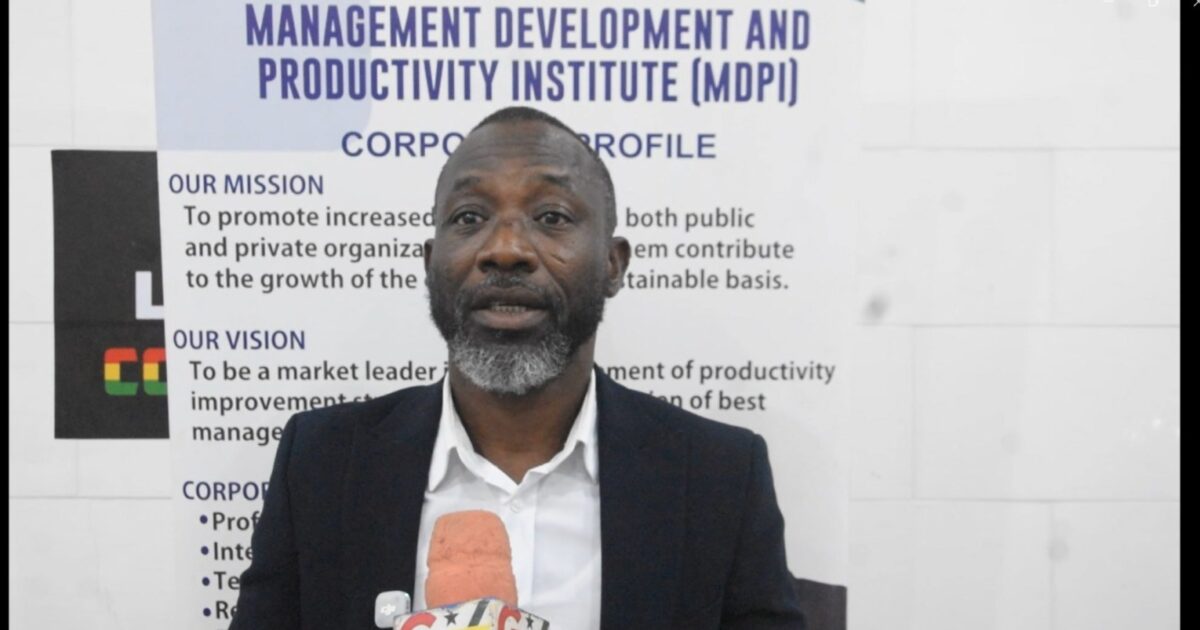

Ghana's Management Development and Productivity Institute (MDPI) has sounded a clear warning to public and private sector organisations: without serious investment in staff training and capacity building, the country's ambitious economic targets for 2027 will remain out of reach. The call comes as productivity has been placed front and centre in the government's latest budget statement, signalling a shift in how national development is being approached.
What MDPI is saying — and doing
Speaking at an MDPI CEO Breakfast Meeting, Director-General Prof. Elijah Yendaw made the case that strong institutions are built on well-trained people. He argued that no government policy, however well-designed, can deliver results without capable managers and employees to implement it effectively.
Prof. Yendaw revealed that MDPI has already begun direct engagements with a range of institutions to assess their specific training needs. Among those consulted are the Bank of Ghana, the Ghana Revenue Authority, the Northern Development Authority, the Pharmacy Council and the Youth Employment Agency. These conversations, he said, are aimed at helping organisations build targeted capacity-building programmes into their 2027 plans before the year arrives.
His message was straightforward: waiting until a problem emerges is too late. Institutions must act now to identify skill gaps and plug them in an organised, strategic manner rather than reacting to failures after the fact.
Why it matters for Ghana
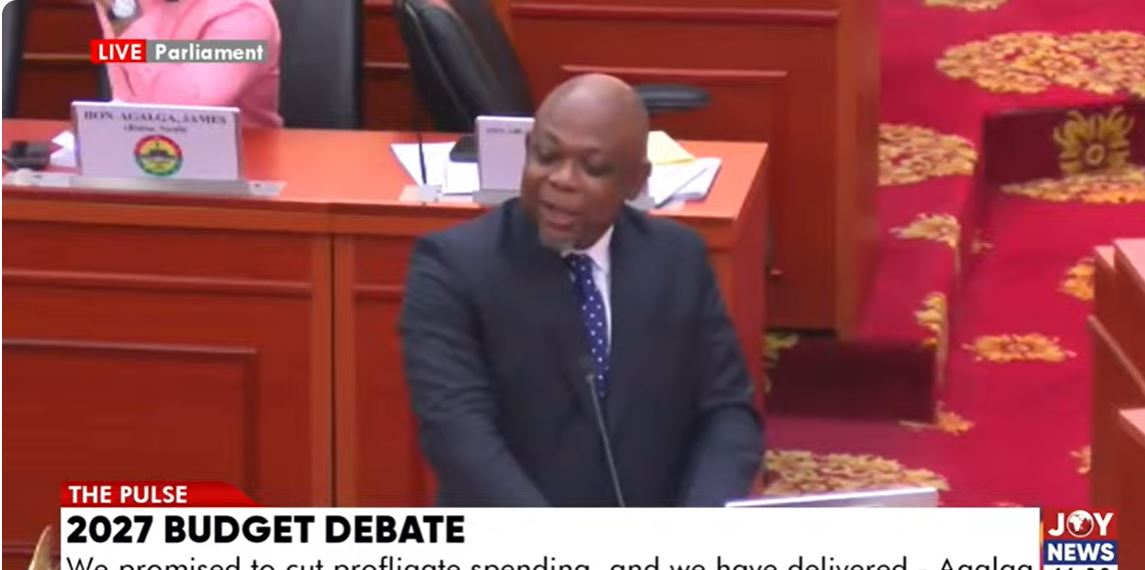
Ghana's 2027 budget, presented by the Finance Minister, placed productivity explicitly at the heart of the government's economic strategy — a notable departure from budgets that focused more narrowly on fiscal consolidation or infrastructure spending. For the MDPI Director-General, this represents both an opportunity and a responsibility.
Ghana has long grappled with inefficiencies in public service delivery, with weak institutional capacity frequently cited as a barrier to development. Poor management practices, inadequate leadership training and high staff turnover in key agencies have undermined the rollout of programmes across sectors from health to revenue collection. The MDPI's current push is designed to address these systemic weaknesses head-on.
The institute's approach also reflects a broader national ambition: transitioning Ghana into what Prof. Yendaw described as a first-class economy — one with reduced poverty, decent employment and competitive institutions. Achieving that vision, he stressed, is a shared responsibility that cannot rest on government alone. Private sector organisations must equally commit to building the capabilities of their workforces.
The bigger picture for employers and workers
For Ghanaian businesses and public agencies, the MDPI's campaign carries a practical message. Organisations that fail to invest in their people risk being left behind as national benchmarks for performance and accountability are raised. At the same time, workers stand to benefit from more structured opportunities for professional development — an area that has historically been underfunded in many sectors.
- Leadership and management training are identified as priority areas for MDPI's capacity-building drive.
- Collaboration between government, public institutions and private organisations is seen as essential to improving productivity.
- The 2027 Budget's explicit focus on productivity gives institutional training efforts fresh political backing.
As Ghana moves closer to 2027, the MDPI says it remains fully committed to equipping the country's institutions with the skills and leadership capabilities needed to make service delivery more effective — and to ensure that the promises written into the national budget translate into real outcomes for ordinary Ghanaians.
Source: MyJoyOnline




Comments (0)
Be the first to comment.