
Mahama warns Africa must seize control of resources to end conflicts fuelling insecurity across continent
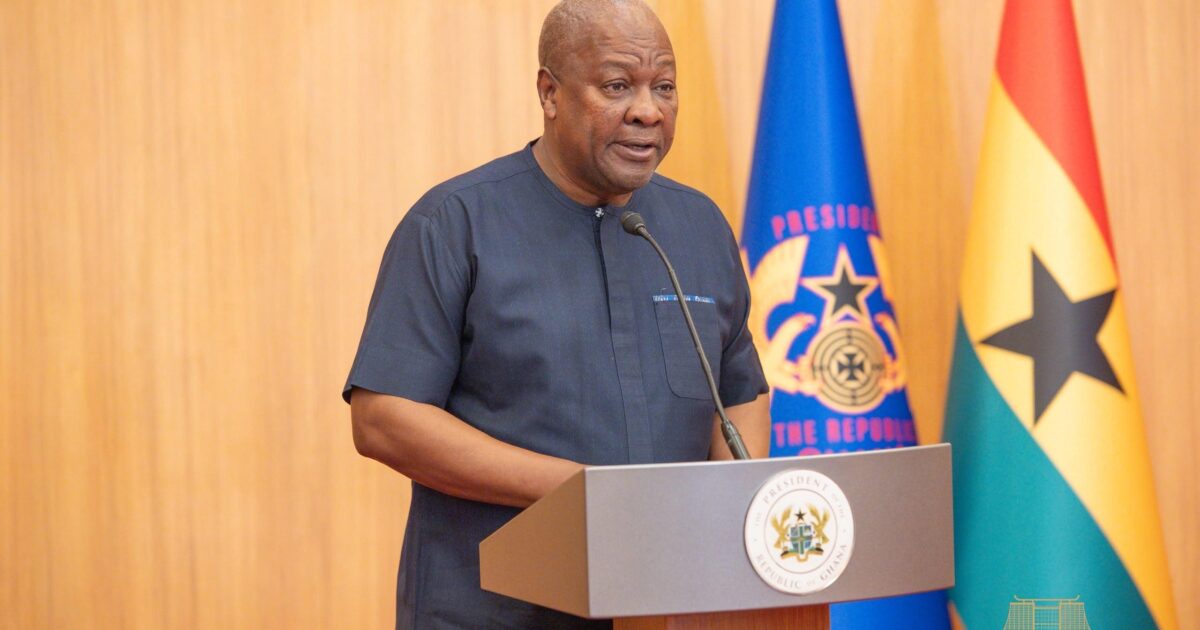

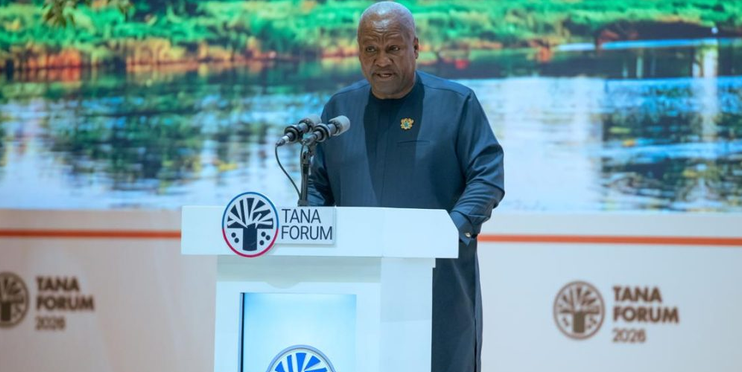
President John Mahama has sounded an urgent alarm about Africa's cycle of conflict, arguing that the struggle for control of the continent's vast natural resources and extraction profits lies at the heart of ongoing security crises. Speaking at the 12th Tana High-Level Forum on Peace in Africa in Bahir Dar, Ethiopia, Mahama contended that powerful external and internal interests deliberately sustain instability to maintain their grip on Africa's wealth.
The President's diagnosis is stark: Africa risks remaining a pawn in global geopolitical games unless its leaders actively reclaim ownership of their resources and set their own security agenda. "Let me be clear, Africa is not an empty chessboard for foreign powers to play their games," Mahama declared, emphasising that the continent must move beyond passive acceptance of externally written narratives.
Beyond political independence: redefining African sovereignty
Mahama's central argument challenges the traditional notion of independence. He argued that true sovereignty cannot stop at political autonomy or membership in international bodies. Instead, he urged African leaders to recognise that "real sovereignty means having the administrative, legal, and economic power to govern your strategic assets, negotiate fair terms, and ensure the wealth beneath our people's feet actually puts food on their tables."
Without this economic foundation, Mahama warned, Africa's political independence amounts merely to "cosmetic independence that masks economic subjugation."
The President highlighted the strategic importance of African minerals to global green energy transitions and digital economies, suggesting this should amplify the continent's bargaining power. Yet communities sitting atop these resources frequently experience exploitation without corresponding benefits—a pattern that breeds resentment and creates conditions ripe for conflict.
Following the money in Africa's conflict zones
Rather than focusing narrowly on weapons proliferation or military tactics, Mahama urged leaders to examine the political economy sustaining conflict. He offered a diagnostic framework: in any conflict theatre, ask three questions—who controls the resource, who financially benefits from its extraction, and whose interests are better served by perpetual chaos than by peace.
Using this lens, Mahama cited four critical examples:
- Sudan: Battle lines are drawn as much around gold extraction sites as around Khartoum itself.
- Democratic Republic of Congo: The resurgence of the M23 group is intrinsically linked to competition for coltan and cobalt, minerals essential for global green energy technology.
- Somalia: Governance failures have created openings for Al-Shabaab to exploit, perpetuating insecurity.
- Mozambique: Substantial gas wealth in Cabo Delgado has failed to benefit local youth, leaving them marginalised and vulnerable to extremist recruitment.
Mahama described these crises not as isolated incidents but as "symptoms of a single, continent-wide firestorm," linked by a common thread: unequal control and distribution of resource wealth.
Why it matters for Ghana
Ghana has direct stakes in this continental conversation. As a resource-rich nation with significant gold, oil and other mineral deposits, Ghana itself grapples with balancing resource extraction, community benefit and security. Mahama's framework is particularly relevant given ongoing debates about Ghana's mining sector transparency, local community impact and the nation's capacity to negotiate favourable terms with foreign investors.
Moreover, as the forum's host nation for regional peace initiatives, Ghana's leadership in the discourse signals the country's commitment to reshaping how Africa approaches conflict resolution—moving from symptom treatment to root-cause analysis centred on economic justice and resource sovereignty. This intellectual leadership could influence Ghana's own policy approaches to resource management and governance.
Source: MyJoyOnline


Comments (0)
Be the first to comment.